From Okinawa to Hokkaido — Five Regional Art Gems of Japan
From Okinawa to Hokkaido — Five Regional Art Gems of Japan
Exploring Japan's Regional Art Gems — Architecture and Nature as Protagonists
This expedition record from June 16-20, 2026, details a journey through five distinctive regional art museums across Japan. These institutions, often nestled in unique natural settings like islands, mountains, or snowfields, offer experiences where architecture and the surrounding landscape become integral parts of the art itself. Visitors frequently cite these visits as the most memorable parts of their Japanese travels, despite requiring a full day to fully appreciate each location.
Okinawa Prefectural Museum & Art Museum (OPMA), Naha
Located in Naha's new city center, OPMA, opened in 2007, showcases the history and crafts of the Ryukyu Kingdom alongside contemporary Okinawan art. Designed by Shingo Ishikawa, its white facade evokes Ryukyuan castle walls, blending regional identity with modern architecture. The museum's dual focus provides a comprehensive view of Okinawa's unique cultural heritage and artistic expressions.
Chichū Art Museum, Naoshima Island
Situated on Naoshima Island in the Seto Inland Sea, the Chichū Art Museum is an underground masterpiece designed by Tadao Ando. Predominantly built into the earth, it minimizes visual impact on the natural landscape. The museum permanently houses works by Claude Monet (Water Lilies), James Turrell, and Walter De Maria, displayed under natural light that transforms the artworks with the changing day. The entire island is a Benesse Art Project, and an overnight stay is recommended to fully experience its offerings.
Hakone Open-Air Museum, near Mount Fuji
Opened in 1969, this is Japan's first open-air sculpture museum, set against the backdrop of Mount Fuji. Its vast grounds feature works by Henry Moore, Alexander Calder, and Antoine Bourdelle, among others, allowing visitors to engage with art amidst nature. The museum also includes a dedicated Picasso Pavilion. It's easily accessible from Tokyo Shinjuku by Romance Car in about 1.5 hours.
21st Century Museum of Contemporary Art, Kanazawa
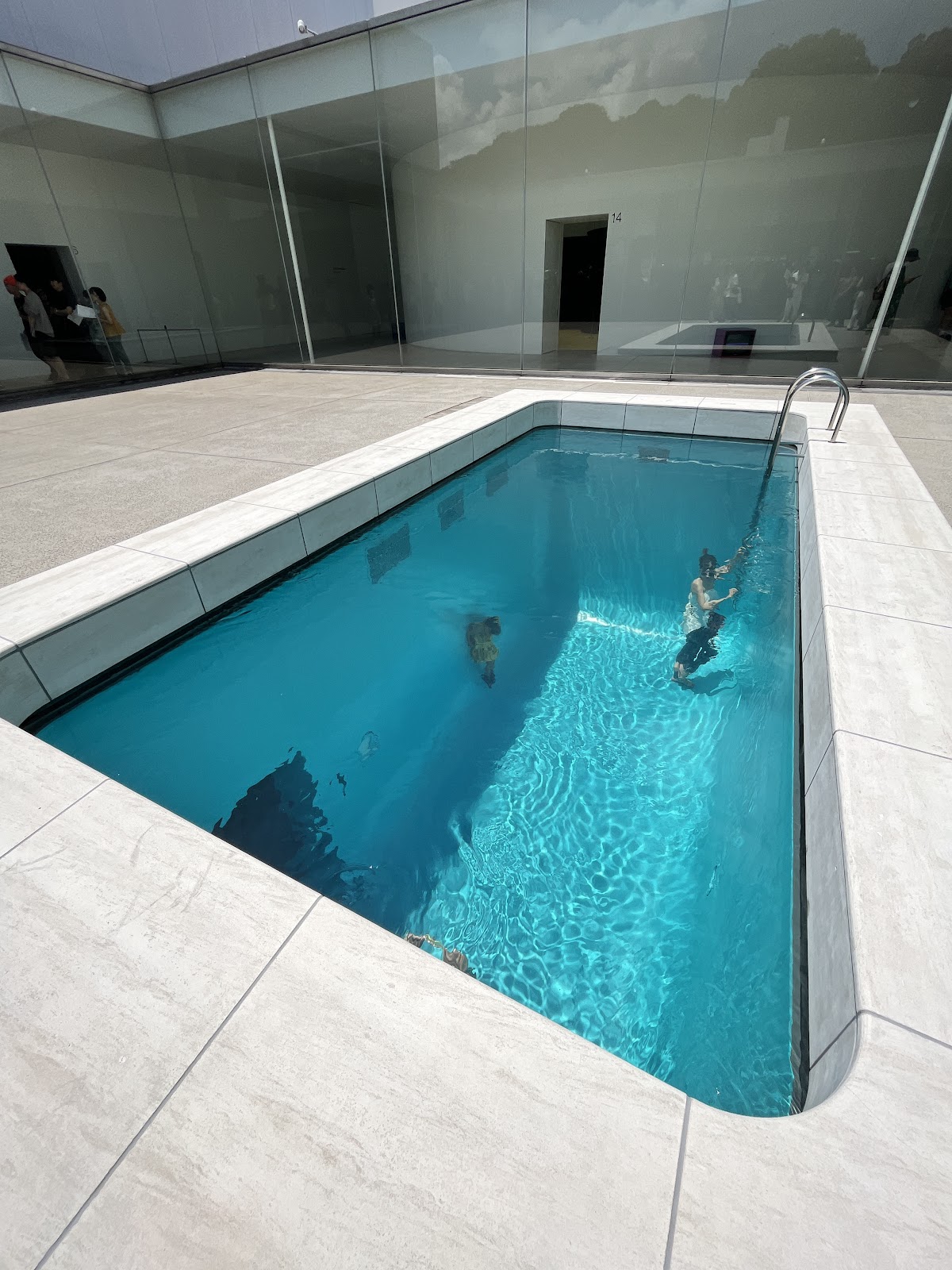
Located in the heart of Kanazawa, this museum, opened in 2004 and designed by SANAA (Kazuyo Sejima and Ryue Nishizawa), is a circular glass building embodying an 'open and circulating space' philosophy. It blurs the lines between the museum and the city, featuring interactive installations like Leandro Erlich's 'Swimming Pool' and Yayoi Kusama's 'Golden Pumpkin'. It operates from 10:00 AM to 6:00 PM (8:00 PM on Fridays/Saturdays) and is closed on Mondays. General admission is free, with special exhibitions costing around 1,200 JPY.
Moerenuma Park, Sapporo
This 188-hectare land art park in Sapporo, Hokkaido, was designed by Isamu Noguchi on a former landfill site and opened in 2005. Noguchi's vision was to create an entire park as a single sculpture, integrating mountains, fountains, and playgrounds into a cohesive artistic landscape. Key features include Moereyama mountain and the iconic Glass Pyramid. It's about 40 minutes from Sapporo Station by public transport and is best visited in spring or summer.
Travel Logistics and Recommendations
Visiting all five locations in one trip is challenging. It is more practical to plan regional visits of 2-3 days each. An overnight stay on Naoshima is highly recommended due to its dense exhibition schedule. Access to Hakone from Tokyo is convenient, as is Kanazawa by Shinkansen (2.5 hours) and Moerenuma Park from Sapporo. While enjoyable year-round, spring (cherry blossoms) and autumn (foliage, Setouchi Triennale) are particularly recommended. A budget of at least 100,000 JPY per person (including accommodation, transport, admission, and meals) is advisable. Always check official websites for current operating hours and admission fees, as many regional museums close on Mondays/Tuesdays or have reduced winter hours. The Japan Rail Pass is beneficial for trips involving Naoshima, Kanazawa, and Hokkaido.
Visitor Info
| Estimated Visit | Translating |
| Translating | Translating |
| Translating | Translating |
| Recommended Route | Translating |