Chichu Art Museum — A Hidden Sanctuary of Light in Naoshima
Hello, fellow explorers! I’m your travel writer, always on the hunt for cultural gems and artistic marvels across the globe. Today, I invite you to join me on a journey to a truly extraordinary museum nestled on Naoshima, one of Japan's enchanting Seto Inland Sea islands: the Chichu Art Museum. Its name, literally meaning "in the earth," perfectly encapsulates its essence. This isn't just a building; it's a profound statement, a wondrous space where nature, art, and humanity coalesce in harmonious existence. Shall we embark together on this luminous subterranean adventure?
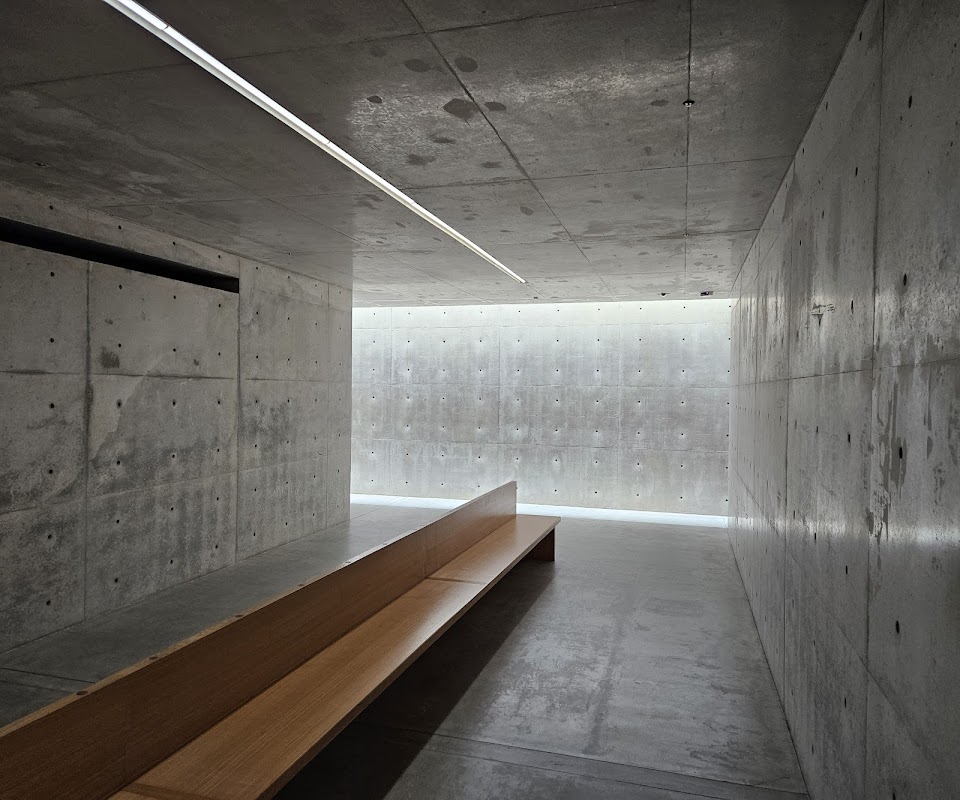
From the moment my ferry docked on Naoshima, I sensed that the entire island was a living, breathing work of art. But it was the Chichu Art Museum that truly captivated my imagination. The very premise—that almost its entire structure is buried underground to preserve the natural landscape—struck me as an act of profound respect. Architect Tadao Ando's genius is palpable here, expressed through his signature exposed concrete and a masterful interplay of geometric forms. The approach itself is a pilgrimage; a gradual ascent through a wildflower garden, a natural buffer zone that eases the transition from the island's raw beauty to the museum's carefully orchestrated environment. There's no grand, imposing facade; instead, subtle concrete walls guide you, whispering promises of discovery.
Stepping inside, the world above melts away, replaced by a serene, almost monastic quiet. Ando's architecture here isn't merely a container for art; it is an active participant, a co-creator of the experience. Each space is meticulously designed to harness natural light, transforming it into an artistic medium in its own right. Sunlight pours through precisely cut apertures, shifting throughout the day and seasons, continually altering the perception of the artworks within. This is not a static viewing; it's a dynamic, ever-evolving dialogue between light, space, and the observer.
The museum houses a select collection of works by Claude Monet, James Turrell, and Walter De Maria, each given its own dedicated, custom-built environment. Monet's "Water Lilies" series, for instance, is presented in rooms where the only illumination is natural light from above. As I stood before these masterpieces, the soft, diffused daylight revealed layers of pigment and texture I had never noticed in other museum settings. The absence of artificial light imbues the canvases with a breathtaking vibrancy, making the water lilies seem to shimmer with an almost ethereal glow, their colors changing subtly with every passing cloud. The polished floor, reflecting the art above, blurs the lines between painting and environment, creating an immersive, meditative experience that transcends mere viewing.
The journey continues into the realm of James Turrell, where light itself becomes the subject. His installations challenge perception, manipulating space and color to create illusions that are both disorienting and deeply spiritual. In "Open Sky," a square aperture in the ceiling frames the actual sky, turning it into a living, breathing canvas. As twilight descends, the surrounding concrete walls are bathed in a spectrum of changing colors, making the sky outside appear to shift its hue in response. It's a profound lesson in how our perception can be so easily influenced, a gentle reminder to look closer, to question what we see. "Light of Time" and "Blue Planet Sky" further push these boundaries, drawing you into luminous voids where solid walls seem to disappear and depth becomes an illusion. It's an experience that demands patience and a willingness to surrender to the unknown, leaving you with a heightened awareness of light's elusive power.
Walter De Maria's "Time/Timeless/No Time" is another architectural marvel. A massive granite sphere dominates the main chamber, bathed in light from a circular skylight directly above. Golden wooden columns line the walls, catching the sunlight and casting long, dramatic shadows that stretch and recede with the sun's movement. It's a space that feels both ancient and futuristic, a cosmic observatory where time seems to slow, allowing for deep contemplation on existence and the universe. The sheer scale and precision of the installation, combined with the ever-present natural light, create a powerful, almost sacred atmosphere.
The Chichu Art Museum is more than just a place to see art; it's an experience designed to awaken the senses, to foster introspection, and to deepen one's connection with the natural world. It’s a testament to the idea that art, architecture, and nature can not only coexist but can elevate each other to create something truly transcendent. My visit left me with a profound sense of peace and a renewed appreciation for the subtle beauty of light, in all its forms.
Practical Tips
To ensure a smooth and enriching visit to the Chichu Art Museum, here are a few essential tips:
Location: The museum is located on Naoshima Island in Japan's Seto Inland Sea.
Getting There: Access Naoshima primarily by ferry from Uno Port (Okayama Prefecture) or Takamatsu Port (Kagawa Prefecture). Once on Naoshima, local buses or rental bicycles are excellent ways to get around. The museum is a pleasant walk from some bus stops.
Reservations: Advance online reservations are highly recommended, especially during peak seasons and holidays. Time slots can sell out quickly, so book well in advance of your visit. Check the official website for current booking procedures.
Opening Hours: Typically open from 10:00 AM to 5:00 PM (last entry 4:00 PM), with varying hours seasonally and occasional closures. Always check the official website for the most up-to-date schedule before planning your trip.
Photography: Photography is strictly prohibited inside the museum to preserve the contemplative atmosphere and the integrity of the light-sensitive artworks. Respect this rule to fully immerse yourself in the experience.
Footwear: You will be doing a significant amount of walking, both within the museum and around the island. Comfortable shoes are a must.
Food and Drink: The Chichu Cafe, offering light meals and refreshments, boasts panoramic views of the Seto Inland Sea. Note that outside food and drinks are not allowed inside the museum itself.
Nearby Attractions: Naoshima is brimming with art. Consider combining your visit with the Benesse House Museum, the Lee Ufan Museum, and the fascinating Art House Project in Honmura, all accessible via the island's bus system or by walking/cycling.
Mindset: Approach your visit with an open mind and a willingness to slow down. The Chichu Art Museum is designed for quiet contemplation and sensory engagement.
Visitor Info
| Admission | 2,100엔 (~$14). 15세 이하 Free. 온라인 예매 필Wed |
| Hours | 3-9Mon: 10:00-18:00 / 10-2Mon: 10:00-17:00 (Closed Mon) |
| Location | 3449-1 Naoshima, Kagawa, Japan |
| Getting There | 미야노우라항 from 셔틀Bus 15min or 자전거 20min |
| Estimated Visit | 1.5-2hr |
| Tips | 오전 자연광이 좋을 때 모네 방 감상 필Wed. 제임스 터렐 <오픈 스카이> 체험은 필Wed. |
Featured Works
Claude Monet
Water Lilies (Chichu)
치추 미술관을 위해 특별히 선별된 모네의 수련 연작 5점입니다. 안도 다다오가 설계한 자연광만으로 채워지는 전시실에서 감상하는 경험은 세계 어디에서도 느낄 수 없는 것입니다. 모네가 말년에 지베르니 정원의 수련 연못을 그린 이 작품들은 인상주의를 넘어 추상 표현에 가까운 경지에 도달했습니다.
James Turrell
Open Sky
제임스 터렐의 대표적 설치 작품으로, 천장에 뚫린 사각 개구부를 통해 하늘을 바라보는 체험형 예술입니다. 시간에 따라 변하는 자연광이 공간의 색채를 변화시키며, 관람객은 빛과 공간에 대한 지각의 변화를 비로소 경험하게 됩니다. 치추 미술관의 지하 건축과 완벽하게 조화를 이루며 빛 자체를 예술 매체로 승화시킵니다.
Walter De Maria
Time/Timeless/No Time
월터 드 마리아의 대규모 설치 작품으로, 거대한 화강암 구체와 27개의 금박 나무 기둥으로 구성됩니다. 치추 미술관의 콘크리트 공간 안에서 자연광의 변화에 따라 작품의 인상이 시시각각 달라집니다. 미니멀리즘과 대지예술의 정수를 보여주며, 시간과 공간에 대한 깊은 명상을 유도합니다.