The Netherlands, Walking Through the Art of Time: From Golden Age Masters to Street Rebels
The Netherlands, Walking Through the Art of Time: From Golden Age Masters to Street Rebels
The Netherlands: A Journey Through Art Across Centuries
This expedition log details a visit to Dutch art museums from June 16-20, 2026. The journey covered The Hague, Amsterdam, and Rotterdam, exploring art from the 17th-century Golden Age to contemporary street art. This itinerary highlights the diverse artistic landscape of the Netherlands.
The recommended route begins in The Hague with the Mauritshuis, continues to Amsterdam for the Rijksmuseum and Moco Museum, and concludes in Rotterdam at the Depot Boijmans Van Beuningen. The estimated duration is 4-5 days, with a budget of €500-€700 for admissions and meals, excluding flights and accommodation.
Mauritshuis, The Hague: A Royal Collection by the Pond
Located at Plein 29 in The Hague city center, adjacent to the Hofvijver pond, the Mauritshuis is a royal museum housing one of the world's most concentrated collections of 17th-century Dutch Golden Age paintings. The building, a Dutch Classicist mansion, was commissioned in 1644 by Johan Maurits van Nassau and designed by architects Jacob van Campen and Pieter Post. It opened as a museum in 1822.
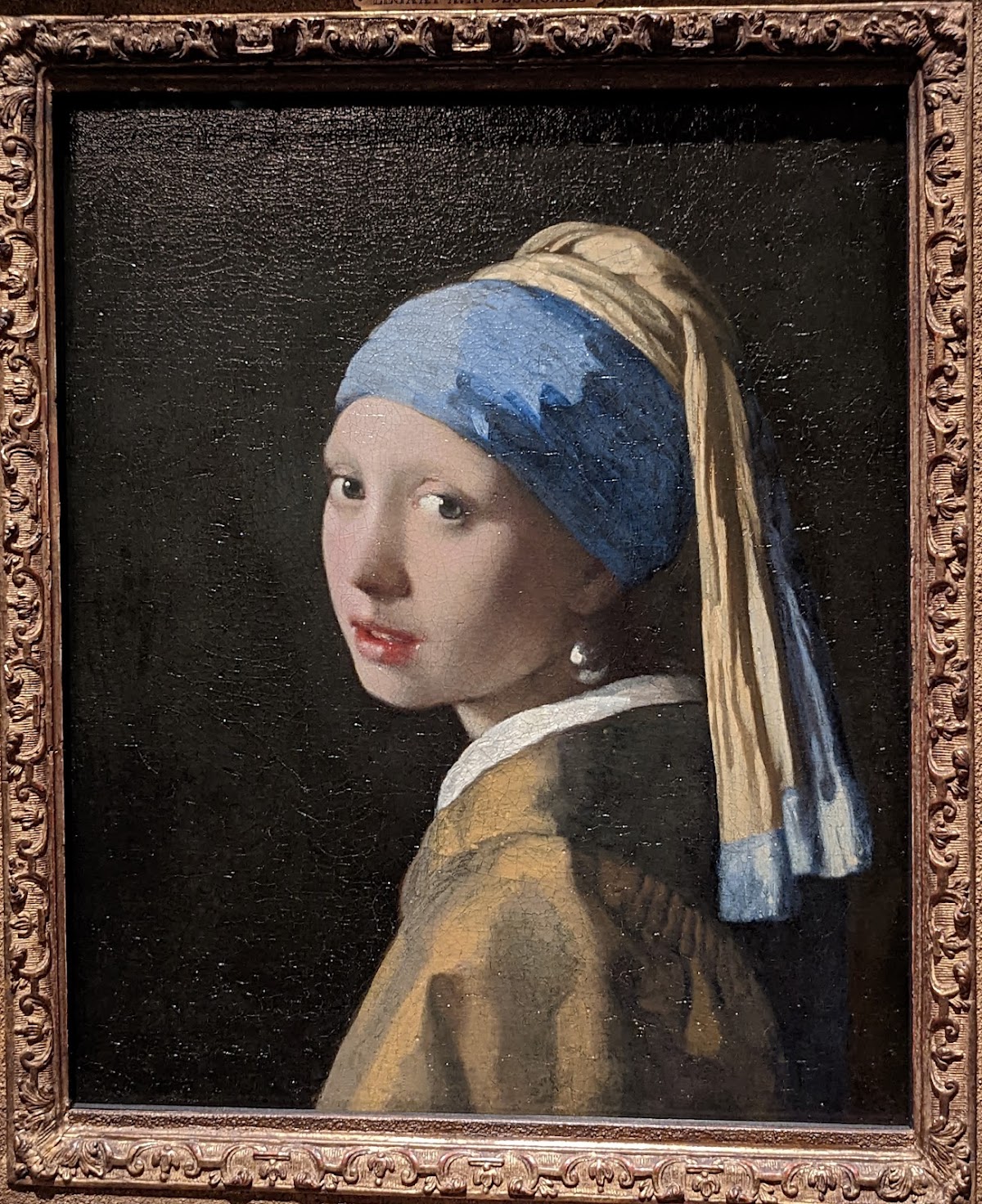
Despite a modern underground extension in 2014, the museum retains its intimate, palace-like atmosphere. Key works include Vermeer's 'Girl with a Pearl Earring' and 'View of Delft,' Rembrandt's 'The Anatomy Lesson of Dr. Nicolaes Tulp,' Paulus Potter's 'The Bull,' Carel Fabritius's 'The Goldfinch,' and genre scenes by Jan Steen. The collection comprises approximately 800 pieces, primarily 17th-century paintings.
Rijksmuseum, Amsterdam: Grandeur of the Golden Age
The Rijksmuseum, situated at Museumstraat 1 in Amsterdam's Museum Quarter, is the national museum of the Netherlands. Opened in 1885 in a magnificent Neo-Gothic style, it chronicles Dutch art history from the 13th century to the present. The museum is a cornerstone of Amsterdam's cultural district, easily accessible by tram.
Its vast collection, exceeding one million objects, is most famous for its Dutch Golden Age masterpieces. Rembrandt's 'The Night Watch' is a monumental work, celebrated for its dramatic use of light and shadow. Vermeer's 'The Milkmaid' offers a serene counterpoint, capturing a moment of everyday life with exquisite detail. A visit typically takes 3-4 hours, and online timed entry is essential.
Moco Museum, Amsterdam: Contemporary Art's Dynamic Pulse
The Moco Museum, at Honthorststraat 20 in Amsterdam's Museum Quarter, is a distinctive contemporary art space with a strong focus on street and graffiti art. Opened in 2016 within a historic building, it aims to make modern art accessible and engaging to a broad audience. It provides a vibrant contrast to the classical institutions in the same district.
The museum is renowned for its extensive collection of Banksy's works, including iconic pieces like 'Girl with Balloon' and 'Love is in the Air,' which offer sharp social commentary. It also features works by other modern masters such as Jean-Michel Basquiat, Andy Warhol, and Keith Haring. Moco Museum emphasizes interactive and immersive exhibitions, making art an engaging experience for all visitors. It operates daily from 09:00-21:00, and advance booking is required.
Depot Boijmans Van Beuningen, Rotterdam: The Future of Art Preservation
The Museum Boijmans Van Beuningen Depot, located at Museumpark 24 in Rotterdam, is a groundbreaking architectural and cultural space that redefines art preservation and accessibility. Opened in 2021 and connected to the main museum, its primary purpose is the systematic management, restoration, and research of its vast collection.
The building itself is an architectural marvel, featuring a shimmering mirrored facade that reflects the city's dynamic skyline. Unlike traditional hidden storage facilities, the Depot embraces an 'open storage' concept, making its collection of over 150,000 artworks transparently accessible to the public. Visitors can observe art conservation processes firsthand through glass walls and explore ten climate-controlled zones. The rooftop garden offers panoramic views of Rotterdam. It operates Tuesday-Sunday from 11:00-17:00, with mandatory online reservations.
Visitor Info
| Estimated Visit | Translating |
| Translating | Translating |
| Recommended Route | Translating |