Taipei, Crossing the River of Time to Encounter 5,000 Years of Civilization: Into the Heart of the National Palace Museum
Taipei, Crossing the River of Time to Encounter 5,000 Years of Civilization: Into the Heart of the National Palace Museum
The National Palace Museum: Taipei's Repository of Chinese Civilization
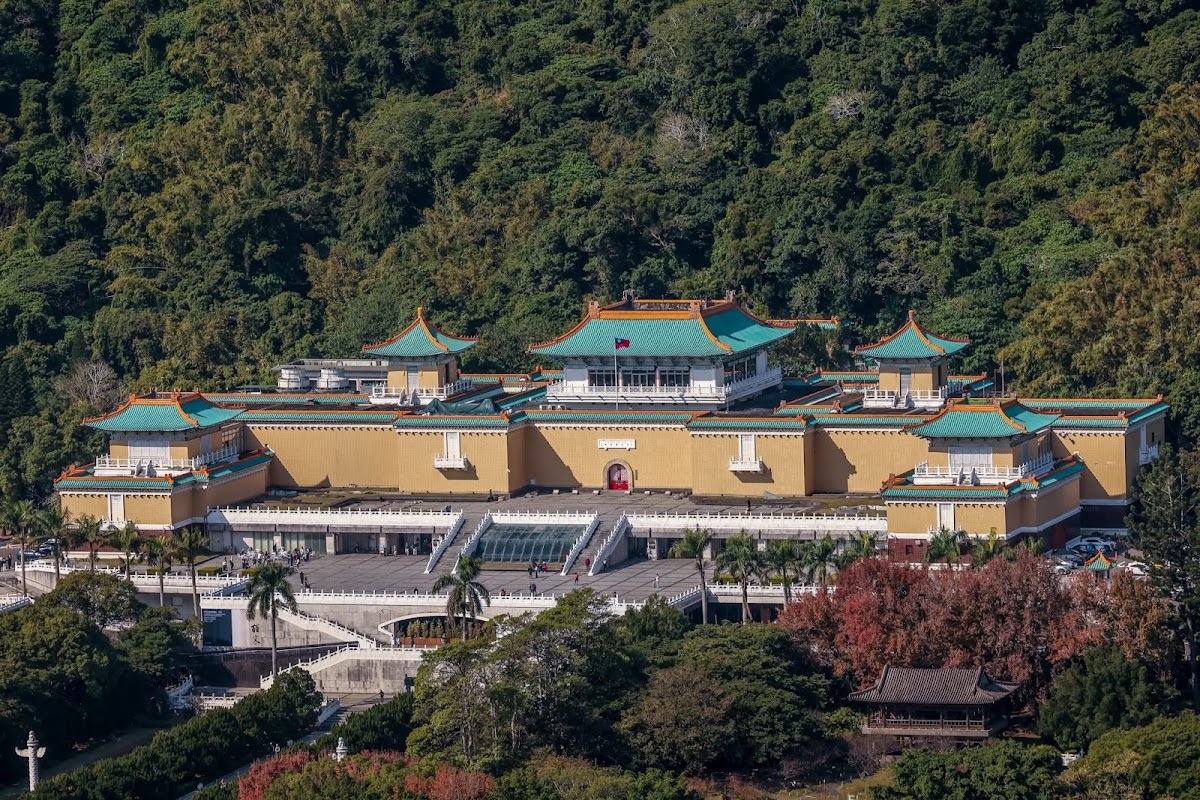
The National Palace Museum, located at No. 221, Sec 2, Zhi Shan Rd, Shilin District, Taipei City, Taiwan, stands as a majestic testament to 5,000 years of Chinese history and art. Situated at the foot of Waishuangxi Mountain, its grand architecture, featuring yellow glazed tile roofs, red pillars, and intricately carved balustrades, evokes the splendor of an ancient imperial palace. This setting provides a serene escape from the urban bustle, allowing visitors to immerse themselves fully in cultural heritage.
A Collection Forged in History
The museum's vast collection originated from the imperial treasures of Beijing's Forbidden City. Following the fall of the Qing Dynasty, efforts began to preserve these invaluable artifacts. In 1925, the Palace Museum was established within the Forbidden City, making the imperial collection accessible to the public. However, the tumultuous 20th century, marked by the Sino-Japanese War and the Chinese Civil War, necessitated an extraordinary journey for these treasures.
To protect the collection from destruction, the Nationalist government undertook a massive relocation effort. Over 600,000 artifacts were transported across mainland China by various means, a feat of preservation that saw not a single item damaged or lost. Subsequently, during the retreat to Taiwan, these crucial pieces were brought to Taipei between 1948 and 1949, ensuring their survival and establishing the foundation for the National Palace Museum as it is known today.
Architectural Grandeur and Vast Holdings
The main building, completed in 1965 and designed by architect Huang Baoyu, blends traditional Chinese palace aesthetics with modern functionality. Its imposing structure, featuring an octagonal roof and vibrant colors, houses a comprehensive array of artifacts. The museum's collection, numbering nearly 700,000 items, spans from the Neolithic age to the Qing Dynasty, encompassing ceramics, bronzes, jade, calligraphy, paintings, and various crafts. Only a fraction is displayed at any given time, ensuring fresh discoveries for returning visitors.
Iconic Treasures and Engaging Exhibits
Among the museum's most celebrated pieces are the 'Jadeite Cabbage with Insects' (翠玉白菜), a masterfully carved jade sculpture depicting a cabbage with a locust and a katydid, symbolizing fertility and abundance. The 'Meat-shaped Stone' (肉形石) is another marvel, a natural stone ingeniously enhanced to resemble a piece of braised pork belly, showcasing ancient artisans' creativity and humor. The 'Mao Gong Ding' (毛公鼎), a grand bronze cauldron from the Western Zhou Dynasty, is significant for its 497-character inscription, offering invaluable insights into ancient Chinese history and governance.
The museum's exhibition layout guides visitors through chronological and thematic displays, typically starting on the 3rd floor with jade, bronzes, and ceramics, moving to the 2nd floor for calligraphy and paintings, and the 1st floor for Buddhist art and special exhibitions. Beyond static displays, the museum features a Digital Experience Hall, utilizing interactive media, VR, and AR to bring ancient artifacts to life, offering an engaging and educational experience for all ages.
Gardens of Tranquility and Visitor Information
Complementing the indoor exhibits are the serene gardens, Zhishan Garden (至善園) and Zhide Garden (至德園). Designed in the style of Song Dynasty gardens, they offer peaceful retreats with ponds, pavilions, and meticulously landscaped flora, reflecting the Chinese tradition of harmony between nature and art. These gardens provide a perfect space for reflection after exploring the museum's historical depths.
For visitors, the museum is open Tuesday to Sunday from 9:00 AM to 5:00 PM, with extended evening hours until 8:30 PM on Fridays and Saturdays; it is closed on Mondays. General admission is 350 TWD. Access is convenient via bus or taxi from MRT Shilin Station. A half-day visit (3-4 hours) is recommended for key exhibits, while a full day allows for deeper exploration and digital experiences. An audio guide is available for rent to enhance the viewing experience.
Visitor Info
| Estimated Visit | Translating |
| Translating | Translating |
| Recommended Route | Translating |