Nakanoshima, Osaka: A Concrete Meditation, Tadao Ando's 'Black Box' and the Heart of Japanese Modern Art
Nakanoshima, Osaka: A Concrete Meditation, Tadao Ando's 'Black Box' and the Heart of Japanese Modern Art
Nakanoshima Museum of Art: Tadao Ando's 'Black Box' in Osaka
The Nakanoshima Museum of Art, located at 4-3-1 Nakanoshima, Kita-ku, Osaka, is a prominent contemporary art museum on Nakanoshima Island, a cultural hub between the Dojima and Tosabori rivers. Opened on February 26, 2021, it functions as a new center for the Osaka Municipal Museum of Art, aiming to promote modern art, cultural exchange, and artistic development. Its strategic location offers direct access from Watanabebashi Station, ensuring high accessibility.
Architectural Vision by Tadao Ando
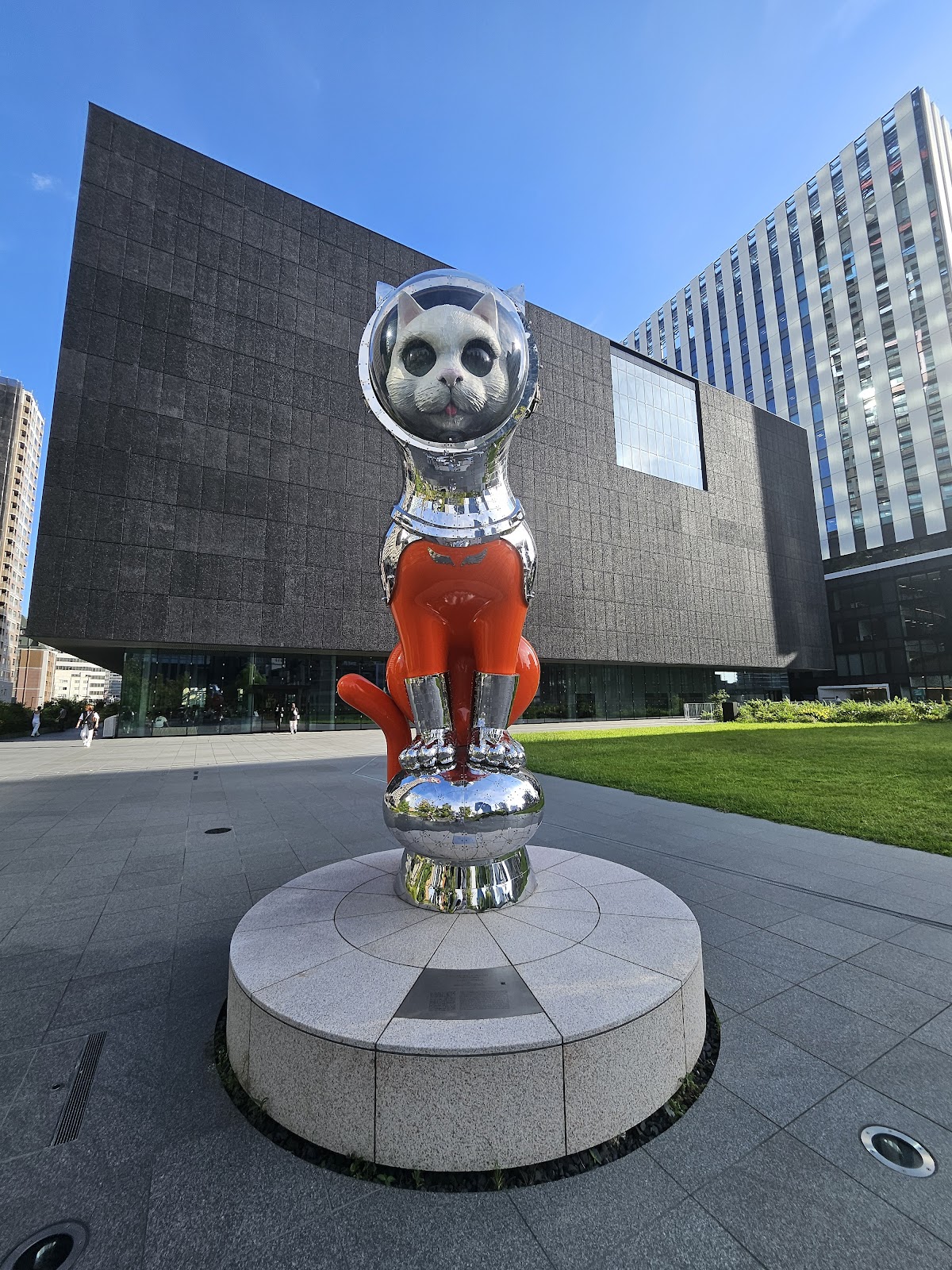
Designed by acclaimed architect Tadao Ando, the museum is known as the 'Black Box' due to its distinctive, minimalist exterior. Ando's signature use of exposed concrete and his masterful manipulation of light and shadow are central to its design. The building stands as a powerful, understated cube amidst Osaka's modern skyline, creating a serene sanctuary from urban bustle. Ando's philosophy of "emptiness" and "restraint" ensures the architecture enhances, rather than overshadows, the art it houses.
Exterior and Interior Design
The museum's exterior features calm black panels and robust exposed concrete, presenting a monumental, sculptural presence. This deliberate lack of ornamentation draws the eye to the building's pure form. Upon entering, visitors experience a profound shift from the city's dynamism to a contemplative internal space. The lobby, characterized by its grand yet restrained concrete walls and natural light, invites introspection.
A striking interior feature is the dramatic escalator, creating a journey of light and shadow as it ascends through the museum. This vertical circulation is an integral part of the architectural experience, guiding visitors through a carefully orchestrated sequence of spaces. Each floor reveals new galleries, where corridors are devoid of excessive decoration, emphasizing the raw texture of materials and the play of light, optimizing the environment for art appreciation.
Collection and Visitor Information
The Nakanoshima Museum of Art boasts an extensive collection of approximately 6,000 works, primarily focusing on Japanese modern and contemporary art, including pieces by Osaka-based artists and international contemporary works. The museum hosts diverse special exhibitions alongside its permanent displays, offering broad artistic experiences that explore contemporary societal issues.
The museum operates from 10:00 to 17:00 (last entry 16:30) from Tuesday to Sunday, with extended hours until 20:00 on Fridays. It is closed on Mondays. Admission for permanent exhibitions is 200 JPY for adults, 150 JPY for university students, and free for high school students and younger. Special exhibition fees vary, and checking the official website is recommended. The museum is directly connected to Watanabebashi Station (Keihan Nakanoshima Line) and is within a 10-minute walk from Higobashi Station (Osaka Metro Yotsubashi Line) and Shin-Fukushima Station (JR Tozai Line).
The surrounding Nakanoshima area offers numerous dining options, including cafes within the museum and riverside restaurants. Visitors can also enjoy a leisurely stroll along the canal or explore nearby architectural landmarks like the Osaka Prefectural Nakanoshima Library, enhancing the overall cultural experience.
Visitor Info
| Estimated Visit | Translating |
| Translating | Translating |
| Translating | Translating |
| Recommended Route | Translating |