Museum of Fine Arts, Boston: A Timeless Journey Through Art's Treasures!
Museum of Fine Arts, Boston: A Timeless Journey Through Art's Treasures!
Museum of Fine Arts, Boston: A Global Collection in a Historic Setting
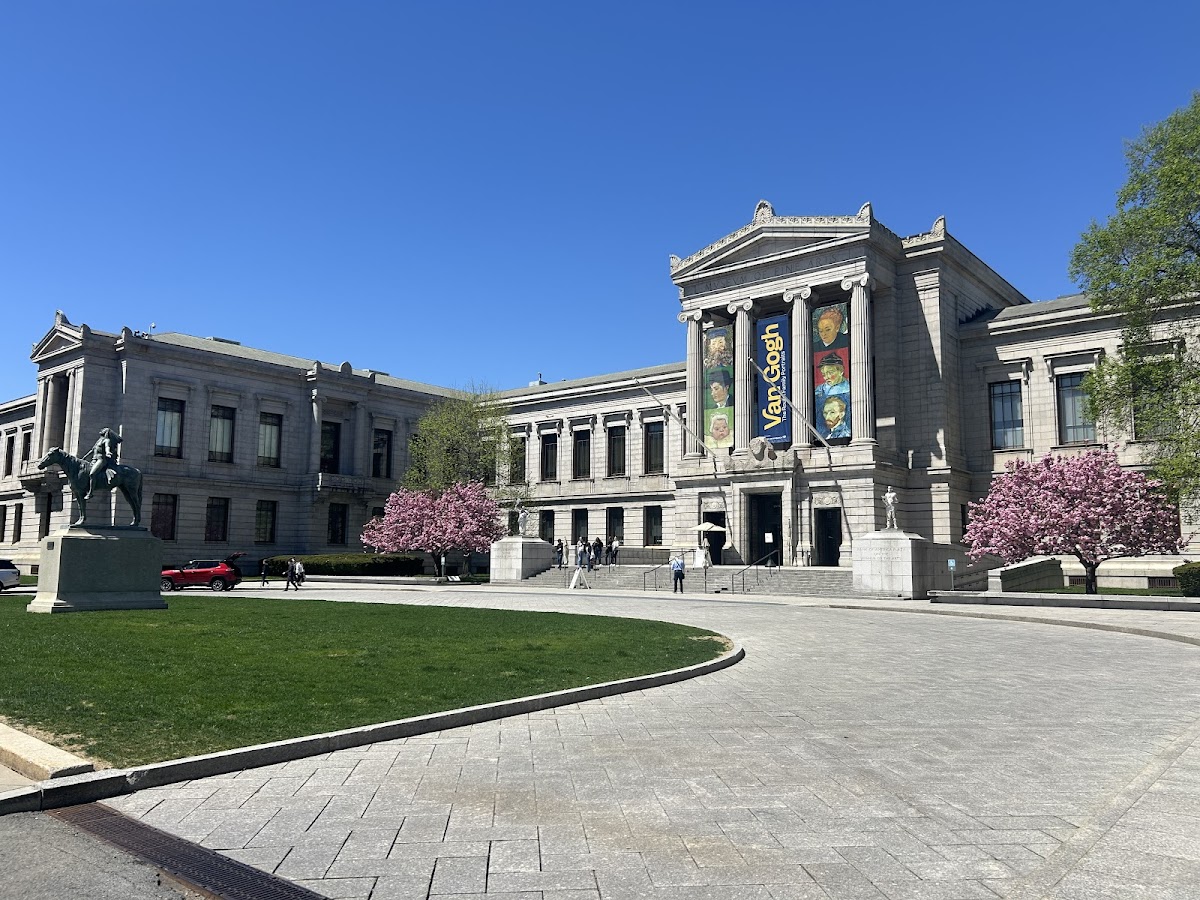
The Museum of Fine Arts, Boston (MFA) is located at 465 Huntington Avenue, Boston, MA 02115, USA. Situated in Boston's vibrant cultural district, it is easily accessible via the Green Line (E) subway, with a dedicated 'Museum of Fine Arts' station. The museum's grand Beaux-Arts facade, designed by Guy Lowell and completed in 1909, presents an imposing yet welcoming entrance, signaling its status as a major cultural institution.
Established in 1870: Over 150 Years of Artistic Legacy
Founded on February 4, 1870, the MFA began with collections from the Boston Athenæum and Harvard University. After initially opening in Copley Square in 1876, it relocated to its current Huntington Avenue site to accommodate its rapidly expanding collection. Over 150 years, the museum has amassed a vast collection of approximately 500,000 works, spanning ancient civilizations to contemporary art, and encompassing both Eastern and Western traditions.
Architectural Evolution: Blending Classical Grandeur with Modern Design
The MFA's architecture is a testament to its long history, featuring a harmonious blend of styles. The original 1909 Beaux-Arts building provides a classical backdrop with high ceilings and expansive halls that are bathed in natural light. This traditional design is complemented by modern additions, most notably the Art of the Americas Wing, which opened in 2010. Designed by Foster + Partners, this wing utilizes glass and steel to create luminous, contemporary spaces that beautifully showcase American art.
Diverse Collections: From Ancient Egypt to Masterpieces of Impressionism
The museum's collections are remarkably diverse, offering a comprehensive journey through global art history. Visitors can explore ancient Egyptian artifacts, Greek and Roman sculptures, medieval European art, and Renaissance paintings. A particular highlight is the European Impressionist collection, considered one of the finest outside Paris. It features iconic works by Claude Monet, including his 'Water Lilies' series and 'Japanese Bridge,' alongside pieces by Pierre-Auguste Renoir and Edgar Degas.
Exceptional Asian and American Art Holdings
The MFA boasts one of the most significant Asian art collections in the Western world, with extensive holdings from Japan, Korea, and China. This includes delicate Goryeo Buddhist paintings, exquisite Joseon white porcelain, and a vast array of Japanese ukiyo-e prints and Buddhist art. The American art collection is equally impressive, showcasing works by influential artists such as John Singleton Copley and John Singer Sargent. Sargent's 'The Daughters of Edward Darley Boit' and 'El Jaleo' are among the notable masterpieces that capture the essence of American artistry.
Navigating the Museum: Tips for an Enriched Visit
Given its immense size, a thorough visit to the MFA typically requires a full day, with a minimum recommended viewing time of 3-4 hours. Planning ahead by identifying areas of particular interest is advisable to make the most of your visit. The museum's layout is designed to facilitate a smooth flow, with various galleries offering distinct atmospheres tailored to their respective collections. Ample seating and resting areas are provided throughout the museum, encouraging visitors to pause and reflect.
Visitor Information: Hours, Admission, and Accessibility
The Museum of Fine Arts operates Tuesday through Sunday from 10:00 AM to 5:00 PM, with extended hours until 10:00 PM on Wednesdays. It is closed on Mondays. General admission for adults is $27, with reduced rates for children aged 7-17 ($10) and free admission for children under 6. Online ticket purchases are recommended for potential discounts and to save time. The museum is easily accessible by public transportation, with the Green Line (E) 'Museum of Fine Arts' station directly connected to the premises.
Visitor Info
| Location | 465 Huntington Ave, Boston, MA 02115, USA |
| Hours | Translating |
| Admission | Translating |
| Getting There | Translating |
| Estimated Visit | Translating |
Featured Works

클로드 모네 (Claude Monet)
일본 여인 (La Japonaise)
1876년작. 모네의 아내 카미유가 일본 기모노를 입고 부채를 든 관능적 초상화.

빈센트 반 고흐 (Vincent van Gogh)
우체부 조제프 룰랭 (Postman Joseph Roulin)
1888년작. 반 고흐가 아를에서 그린 친구의 초상화.

폴 고갱 (Paul Gauguin)
우리는 어디서 왔는가? (Where Do We Come From?)
1897년작. 고갱의 최대 역작. 인간 존재의 근원적 질문을 타히티 배경에 그렸다.