바르셀로나 가우디와 현대미술
바르셀로나 가우디와 현대미술
Barcelona: A City of Architectural Contrasts and Contemporary Art
This expedition log, recorded from June 16-20, 2026, highlights Barcelona's vibrant contemporary art scene, which coexists with its renowned Gaudí architecture. The city offers a compelling dialogue between past and present, revealed through its diverse art institutions. This record documents four key contemporary art spaces: MACBA, the Tàpies Museum, the Fundació Suñol collection, and CaixaForum Barcelona, detailing their locations, architecture, collections, and visitor experiences.
MACBA: Richard Meier's White Architecture in the Raval District
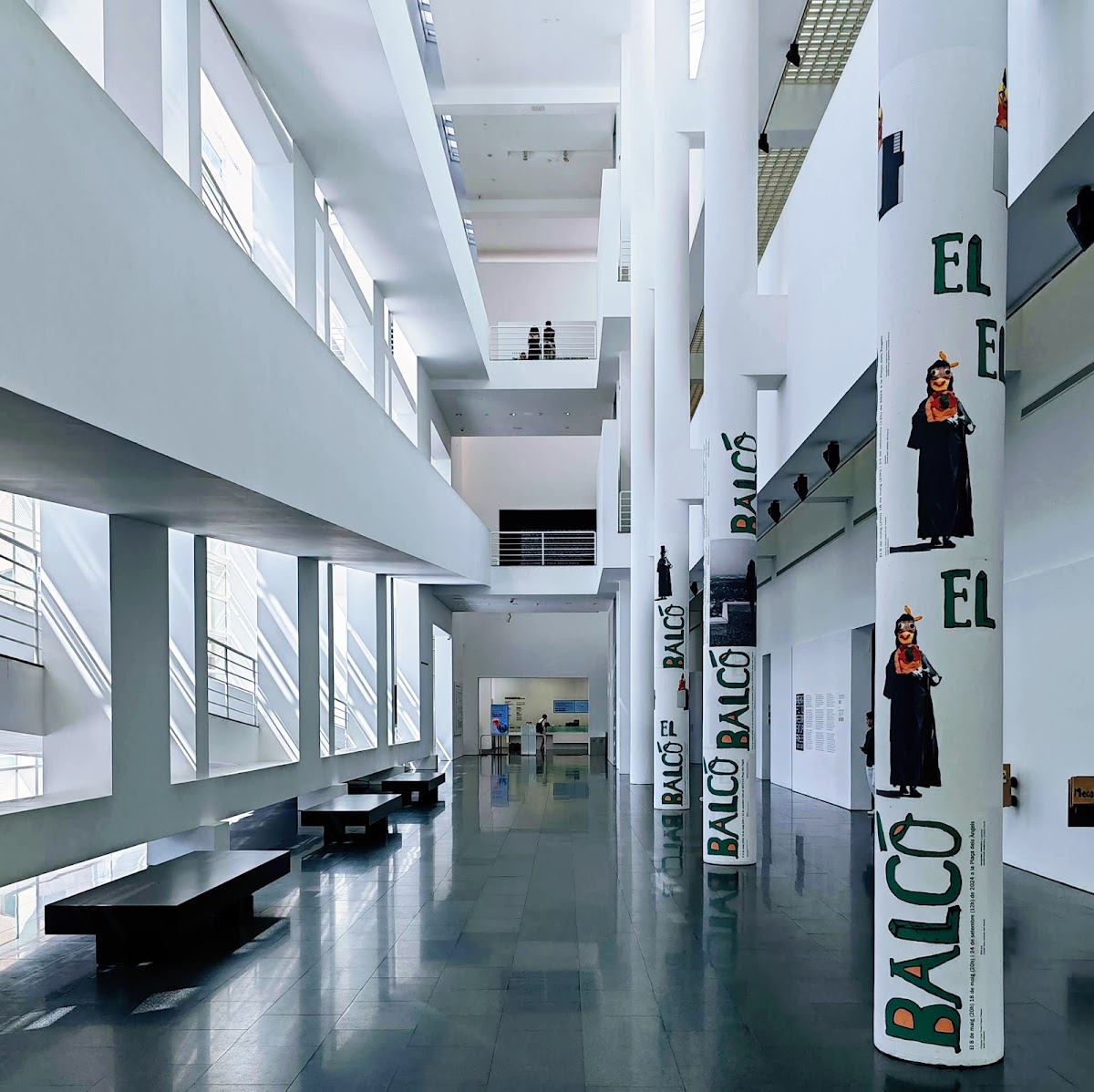
The Museu d'Art Contemporani de Barcelona (MACBA), at Plaça dels Àngels, 1, stands as a serene yet commanding presence in the lively Raval district. Designed by American architect Richard Meier, its pristine white facades, glass, and aluminum reflect Barcelona's intense sunlight. The interior is flooded with natural light, creating a dramatic effect that complements the contemporary artworks.
MACBA's collection focuses on modern and contemporary art from the latter half of the 20th century, highlighting Catalan and Spanish art within a broader international context. The building's ramps and large windows offer expansive views, providing a unique sense of floating through the space. This open architecture encourages visitors to engage with art without preconceptions, making it an unforgettable architectural experience. It is easily accessible via Metro L1/L2 Universitat station.
Fundació Antoni Tàpies: A Modernista Building for a Post-War Master
The Fundació Antoni Tàpies, at Carrer d'Aragó, 255, is located in the Passeig de Gràcia district. Housed in the former Montaner i Simon publishing house, a Modernista building designed by Lluís Domènech i Montaner in 1885, it is dedicated to the life and work of Antoni Tàpies (1923-2012), a pivotal figure in post-war European art. The museum houses an extensive collection of his paintings, drawings, and sculptures, showcasing his distinctive use of materials and symbolic language.
The rooftop features Tàpies' iconic public artwork, "Cloud and Chair," exemplifying his philosophical and symbolic approach. Inside, his works feature rough textures, deep colors, and symbolic elements, often using unconventional materials. Recurring symbols like crosses and the letter 'T' delve into fundamental questions of existence. The museum also hosts temporary exhibitions exploring contemporary art. It is accessible via Metro L3/L4 Passeig de Gràcia station.
Fundació Suñol: A Collector's Vision and Dynamic Collection
The Fundació Suñol, at Carrer de Mejía Lequerica, 14, is an institution dedicated to understanding the historical context and vision of collector Josep Suñol. It showcases and promotes avant-garde artistic practices, serving as a platform for both established and emerging artists. Suñol's collection compiles major trends in 20th-century Spanish and Catalan art, including works by Joan Miró, Salvador Dalí, Pablo Picasso, and Antoni Tàpies. This collection illuminates artistic resistance and the yearning for freedom during the Spanish Civil War and the Franco dictatorship.
The foundation does not operate a permanent exhibition space; instead, its collection is actively loaned to other museums and institutions for various exhibitions. This operational model demonstrates how a private collection can become a public legacy, connecting a collector's philosophy with significant movements in Spanish contemporary art history. It is accessible via Metro L3/L5 Diagonal station.
CaixaForum Barcelona: A Reimagined Textile Factory and Cultural Hub
CaixaForum Barcelona, at Av. de Francesc Ferrer i Guàrdia, 6-8, is a cultural center at the foot of Montjuïc Hill. Originally the Casaramona textile factory (1911, designed by Puig i Cadafalch), it was transformed by architect Arata Isozaki. Isozaki's glass and steel entrance harmonizes modern aesthetics with the building's historic facade.
The center is known for its dynamic exhibition program spanning contemporary art, photography, and historical artifacts. It plays a crucial role in Barcelona's cultural landscape by presenting diverse temporary exhibitions and fostering public engagement. Located near the National Art Museum of Catalonia (MNAC) and the Joan Miró Foundation, CaixaForum acts as a bridge between Montjuïc Hill's rich cultural heritage. It is accessible via Metro L1/L3 Espanya station.
Visitor Information Summary
- MACBA: Plaça dels Àngels, 1. Metro L1/L2 Universitat. Admission: €11 (free after 4 PM Sat). Hours: Mon, Wed-Fri 11 AM-7:30 PM; Sat 10 AM-8 PM; Sun 10 AM-3 PM; Tue closed.
- Fundació Antoni Tàpies: Carrer d'Aragó, 255. Metro L3/L4 Passeig de Gràcia. Admission: €8. Hours: Tue-Sat 10 AM-7 PM; Sun 10 AM-3 PM; Mon closed.
- Fundació Suñol: Carrer de Mejía Lequerica, 14. Metro L3/L5 Diagonal. Admission: €4 (students free). Hours: Wed-Fri 11 AM-2 PM, 4 PM-7 PM; Mon, Tue, Sat, Sun closed. (Note: No permanent exhibition space.)
- CaixaForum Barcelona: Av. de Francesc Ferrer i Guàrdia, 6-8. Metro L1/L3 Espanya. Admission: €6 (CaixaBank clients free). Hours: Daily 10 AM-8 PM.