Artistic Tides on Victoria Harbour: West Kowloon, Hong Kong, an Asia Art Hub in Bloom
Hong Kong has always held a special kind of magic for me. Beyond its dazzling skyline and the ceaseless glow of neon, amidst the symphony of its culinary delights, this city perpetually conjures new cultural currents. The West Kowloon Cultural District (WKCD), in particular, embodies Hong Kong’s evolution from a mere business powerhouse into a formidable cultural and artistic nucleus. At its heart, poised against the shimmering expanse of Victoria Harbour, the Hong Kong Museum of Art (HKMoA) perfectly encapsulates the profound depth and vibrant diversity of Asian art.
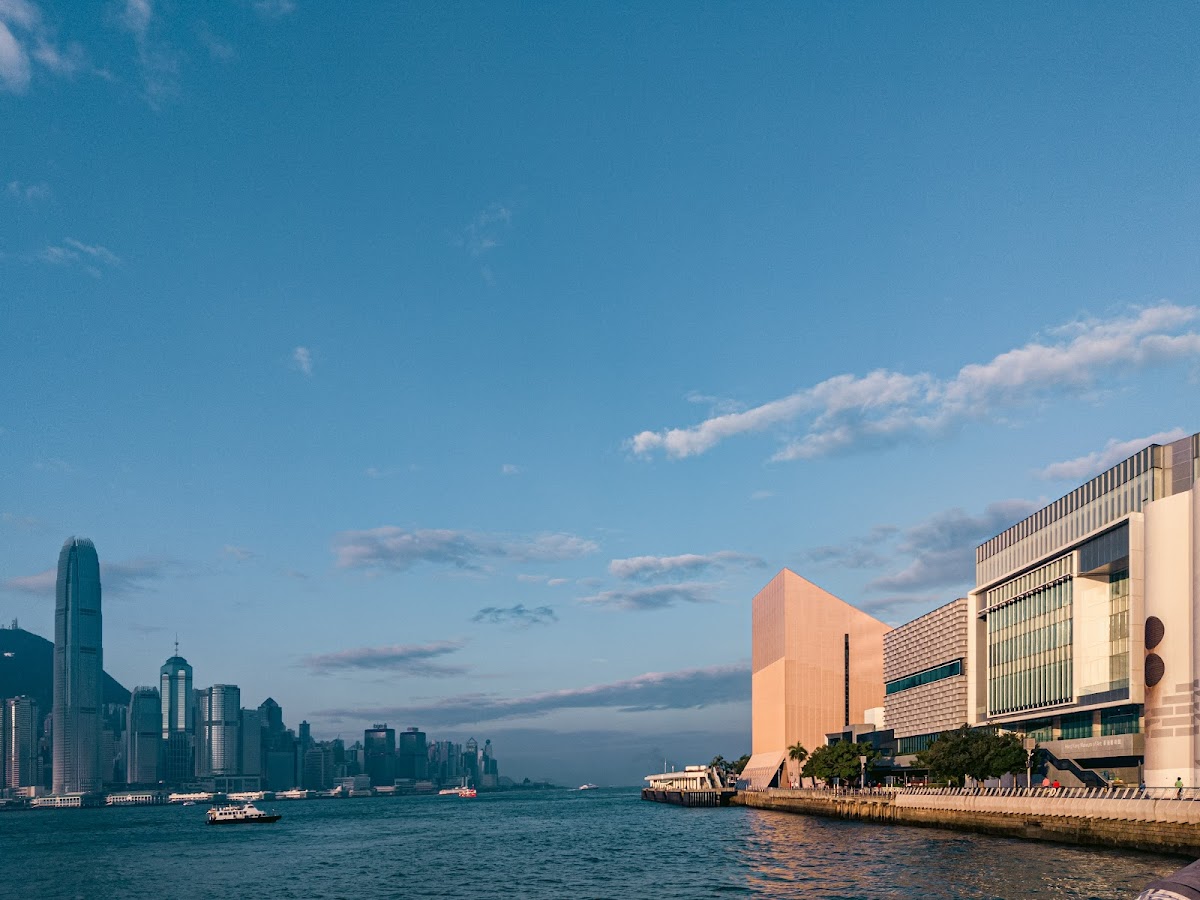
My journey to HKMoA began with a leisurely stroll along the WKCD promenade. The sea air, cool and invigorating, carried the distant murmur of the city, mingling with the soft lapping of waves against the shore. To my left, the iconic silhouette of Hong Kong Island’s skyscrapers pierced the sky, a breathtaking panorama that felt like a living masterpiece. The approach to the museum itself is an experience, a transition from the urban bustle to a tranquil realm of contemplation. HKMoA’s contemporary façade, a graceful interplay of glass and textured stone, harmonizes effortlessly with its waterfront setting while asserting a powerful, undeniable presence. Sunlight fractured through its vast windows, casting fleeting reflections of the harbour’s cerulean waters onto its walls, blurring the lines between the art within and the artistry of the city outside. It’s a building that breathes with its surroundings, a modern beacon inviting discovery.
Stepping inside, the sensation was one of expansive serenity. The vast atrium, bathed in natural light, immediately instilled a sense of calm, a stark contrast to the dynamic energy just beyond its doors. My eyes were drawn to the panoramic windows on upper floors, framing the harbour like carefully curated artworks, each view a testament to Hong Kong’s enduring allure. HKMoA, having undergone a significant transformation, feels fresh and rejuvenated, yet its soul remains deeply rooted in its mission: to preserve, interpret, and showcase Hong Kong’s unique artistic heritage alongside a broader spectrum of Chinese antiquities and global modern art. It’s a living repository of stories told through brushstrokes, clay, and innovative installations.
I embarked on a journey through its carefully curated galleries, each revealing a different facet of the region's rich artistic tapestry. One moment, I was captivated by the exquisite delicacy of Chinese painting and calligraphy, the fluidity of ink on silk conveying centuries of philosophical thought and poetic expression. The precision of the brushwork, the nuanced shades of black and grey, spoke volumes about an artistic tradition deeply intertwined with nature and introspection. Then, I would turn a corner and find myself immersed in the "Hong Kong Story" collection, a vibrant chronicle of the city's evolving identity. Here, artists had captured the essence of Hong Kong through various eras, from nostalgic depictions of bustling street scenes and sampan-filled harbours in the early 20th century to contemporary pieces grappling with the city’s rapid transformation and unique cultural hybridity. These works offered a poignant lens through which to understand the soul of this remarkable metropolis – its resilience, its dynamism, its constant reinvention.
The collection of Chinese antiquities further deepened my appreciation for the sheer craftsmanship and historical depth of the region. Cases gleamed with ancient ceramics, their glazes telling tales of imperial courts and everyday life, alongside intricate bronzes and jade carvings, each piece a tangible link to dynasties long past. It was a profound experience to witness the continuity of artistic tradition across millennia, observing how motifs and techniques evolved, yet retained an unmistakable cultural fingerprint. What truly resonates is how HKMoA manages to bridge these vast temporal and cultural divides. They juxtapose traditional Chinese ink wash with bold, experimental contemporary installations, creating a dialogue that feels both challenging and illuminating. I recall a particular temporary exhibition that explored the concept of "home" through the eyes of Hong Kong artists, using mixed media and digital art to convey deeply personal and universally relatable narratives. It was a powerful reminder that art, regardless of its medium or origin, speaks a universal language of human experience.
As I wandered through the galleries, taking in the myriad forms of expression, I felt a deep connection to the city's artistic heartbeat. HKMoA doesn't just display art; it fosters a conversation, inviting visitors to ponder Hong Kong's past, engage with its present, and imagine its future. It’s a place where the grandeur of ancient Chinese aesthetics meets the restless innovation of modern Hong Kong, all framed by the breathtaking vista of Victoria Harbour. Leaving the museum, the city lights twinkling across the water seemed even more vibrant, imbued with a newfound artistic dimension. The Hong Kong Museum of Art truly is an anchor in West Kowloon's burgeoning cultural landscape, a testament to the city's enduring allure and its blossoming role as a genuine Asia art hub.
Practical Tips
The Hong Kong Museum of Art (HKMoA) is located at 10 Salisbury Road, Tsim Sha Tsui, Kowloon, Hong Kong, within the vibrant West Kowloon Cultural District. It is easily accessible via the MTR Tsim Sha Tsui Station (Exit E) or East Tsim Sha Tsui Station (Exit J). The museum is generally open from 10:00 AM to 6:00 PM on weekdays and 10:00 AM to 7:00 PM on weekends and public holidays, closing on Thursdays (except public holidays) and on the first two days of the Lunar New Year. General admission to permanent exhibitions is typically free, though special exhibitions may require a ticket. Check their official website for the most current opening hours, admission fees, and exhibition schedules before your visit. The museum offers amenities such as a gift shop and a cafe with harbour views, perfect for a mid-visit break. Consider combining your visit with a stroll through the Art Park or exploring other cultural institutions within the West Kowloon Cultural District, such as M+ or the Freespace. For the best experience and fewer crowds, visiting on a weekday morning is recommended, allowing ample time to enjoy the art and the stunning harbour backdrop.
Visitor Info
| Estimated Visit | 1박 2Sun (박물관당 최소 3-4hr, 하버 산책 포함) |
| 예산 | 중상 (항공권 및 숙박비 제외 약 HKD 1,500-2,500 / 한Tue 약 25만-40만원) |
| 추천 동선 | 웨스트카울룬 문Tue지구 (M+ 박물관) → 빅Sat리아 하버 산책로 → 침사추이 (홍콩미술관) |