A Cultural Heart Blooming on Ruins: Berlin's Museum Island, Walking Through Time
A Cultural Heart Blooming on Ruins: Berlin's Museum Island, Walking Through Time
Berlin's Museum Island: A Cultural Nexus on the Spree
On June 16, 2026, an expedition to Berlin's Museum Island, located at Bodestraße 1-3, 10178 Berlin, was conducted. This UNESCO World Heritage site, nestled in the heart of the city on the Spree River, hosts a cluster of five prominent museums: the Pergamon Museum, Neues Museum, and Alte Nationalgalerie among them. These institutions collectively preserve and exhibit a vast array of human heritage, spanning from ancient civilizations to 19th-century European art. The island functions as a monumental cultural complex, symbolizing Berlin's historical scars and its enduring will for reconstruction.
The Museum Island is approximately a 10-minute walk from Friedrichstraße Station. Its surroundings feature a harmonious blend of the Spree River and historic architecture, creating a serene and contemplative atmosphere within the urban landscape. The museums are in close proximity, allowing for easy pedestrian access and an efficient itinerary over one or two days. Its central location ensures excellent public transport accessibility.
Hamburger Bahnhof: A Modern Art Hub in a Former Train Station
On June 19, 2026, the Hamburger Bahnhof, situated at Invalidenstraße 51, 10557 Berlin, was visited. This site is approximately 2 km northwest of Museum Island, a 25-minute walk or 10-minute public transport ride. It is a former terminus of the Berlin-Hamburg Railway, repurposed as a contemporary art museum. This transformation from a 19th-century industrial heritage site into a major center for late 20th and contemporary art reflects Berlin's dynamic history of change and re-creation.
The building itself is a neoclassical train station constructed from red brick, characterized by high ceilings and expansive halls. These architectural features provide an optimal setting for large-scale installations and media art. Hamburger Bahnhof operates as the Museum für Gegenwart, part of the Berlin National Gallery. The contrast between its past function and current use underscores Berlin's continuous evolution.
The Genesis of Museum Island: Prussian Royal Vision in the 19th Century
The history of Museum Island began in 1830 with the opening of the Altes Museum, driven by the Prussian royal family's vision to make art and science accessible to citizens. Subsequently, the Neues Museum (1855), Alte Nationalgalerie (1876), Bode-Museum (1904), and Pergamon Museum (1930) were constructed. The entire island was planned as a museum complex, with each building designed in the neoclassical style by leading architects of the era.
During World War II, the buildings on Museum Island suffered severe damage, with the Neues Museum being almost completely destroyed. Post-war, its location in East Berlin delayed reconstruction. Following German reunification in 1990, a comprehensive restoration project for the entire Museum Island commenced, reflecting Germany's commitment to preserving its cultural heritage and symbolizing the city's journey through division and reunification.
Pergamon Museum: Monumental Ancient Civilizations
The Pergamon Museum, completed in 1930, is a monumental institution housing extensive architectural reconstructions and significant archaeological artifacts. Its main exhibits include the Pergamon Altar, the Ishtar Gate of Babylon, and the Market Gate of Miletus. These are not mere artifacts but full-scale reconstructions, offering an immersive experience of ancient civilizations. The museum provides deep insights into the ancient cultures of the Near East and the Hellenistic world.
The iconic Ishtar Gate, dating from the 6th century BCE Neo-Babylonian Empire, features blue glazed bricks adorned with reliefs of bulls and dragons. The Market Gate of Miletus, a 2nd-century reconstruction of an ancient city gate in Asia Minor, showcases the grandeur of Roman architecture. The Museum of Islamic Art, located within, displays artifacts from the 8th to 19th centuries. While the Pergamon Altar is currently undergoing long-term renovation, the other major exhibits offer substantial value. Estimated visit time is 2-3 hours.
Neues Museum: A Symbol of Reconstruction on Ruins
The Neues Museum, an archaeological and prehistoric museum on Museum Island, opened in 1855. Severely damaged in WWII, it reopened in 2009 after reconstruction by architect David Chipperfield. The renovation preserved war-damaged elements while integrating modern functionalities, symbolically representing Berlin's spirit of coexistence between past and present.
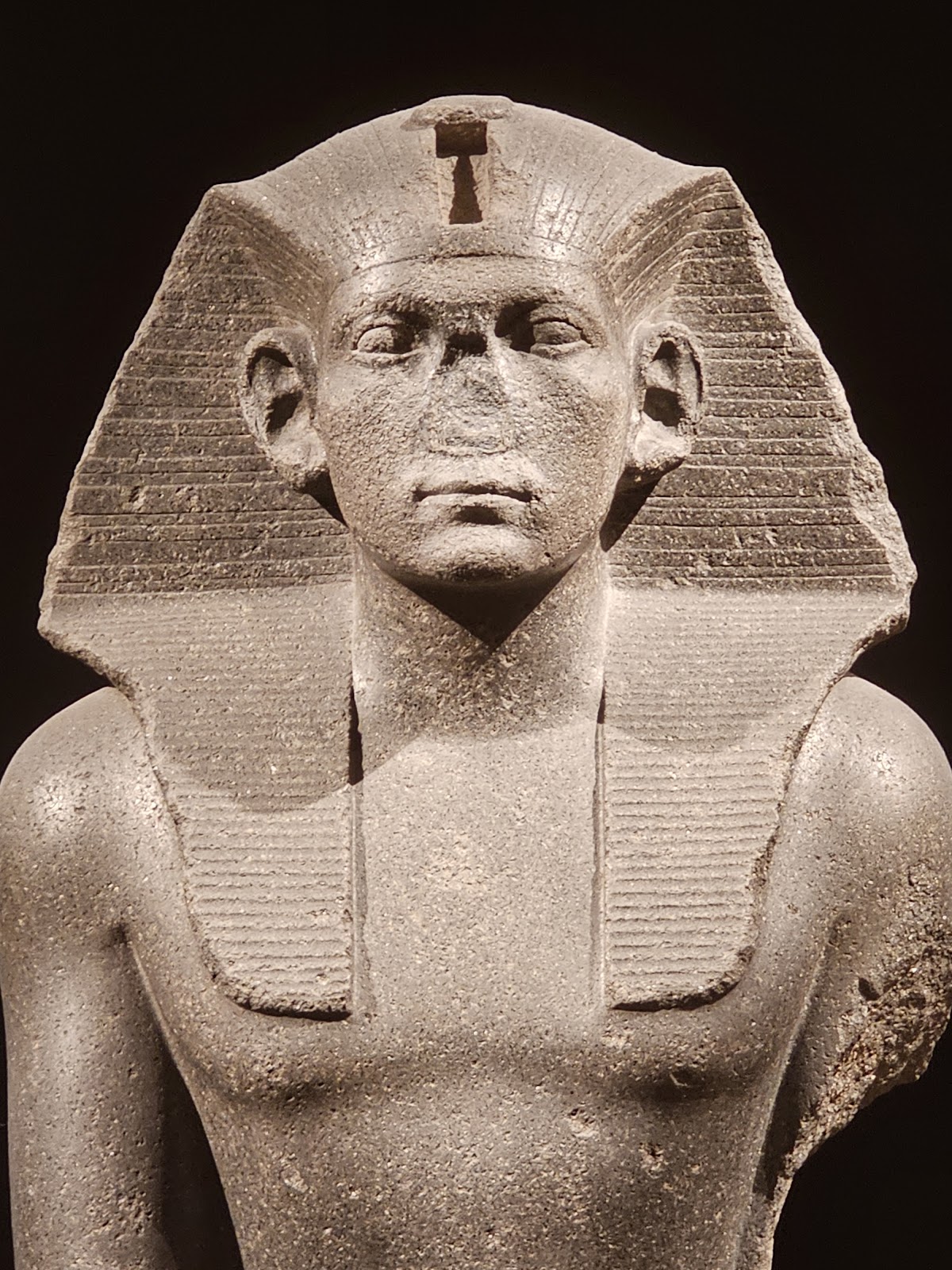
The museum houses artifacts from ancient Egypt, prehistoric, and early historical periods. Its most famous exhibit is the bust of Queen Nefertiti, believed to be created around 1340 BCE, renowned for its perfect symmetry and mysterious beauty. Various artifacts from the Stone Age to the Iron Age illustrate the origins and development of human civilization. The building's historical scars and its reconstruction journey enhance the unique visitor experience. Estimated visit time is 2-3 hours.
Alte Nationalgalerie: The Flow of 19th-Century European Art
The Alte Nationalgalerie, opened in 1876, presents a comprehensive collection spanning Neoclassicism, Romanticism, Impressionism, and early Modernism. Its neoclassical facade, with grand Corinthian columns, exudes dignity and elegance, resembling an ancient Greek temple. The architecture itself prepares visitors for the artistic experience within.
Inside, high ceilings and spacious halls bathed in natural light create an open atmosphere. Marble finishes enhance the classical beauty, highlighting the artworks. The collection traces the evolution of 19th-century German art, featuring works by Caspar David Friedrich, Adolf Menzel, and French Impressionists. The grand staircase and panoramic views of Museum Island enrich the visit. Estimated visit time is 1.5-2 hours.
Hamburger Bahnhof: A Dynamic Space for Contemporary Art
Hamburger Bahnhof, a former 19th-century train station, was transformed into a contemporary art museum, opening as the Museum für Gegenwart in 1996. It offers a unique atmosphere where industrial heritage and modern art converge. The vast halls and high ceilings of the former station provide an ideal setting for large-scale installations and media art, fostering a different interaction with art than traditional museums.
The museum's collection includes works by late 20th and contemporary art masters such as Andy Warhol, Joseph Beuys, and Anselm Kiefer. Joseph Beuys's works, in particular, challenge conventional art concepts and convey social messages throughout the space. This dialogue with unpredictable and radical contemporary art offers a sense of liberation and intellectual stimulation distinct from classical art. The transformation of a historical train station into a vibrant contemporary art space reflects Berlin's dynamic pursuit of innovation while respecting its past. Estimated visit time is 2 hours.
Itinerary Planning and Visit Information
A comprehensive visit to Berlin's major museums typically requires 2-3 days. It is efficient to explore 2-3 museums on Museum Island per day and dedicate separate time for Hamburger Bahnhof. A recommended itinerary starts with the Pergamon Museum, followed by the Neues Museum, and then the Alte Nationalgalerie on Museum Island, before traveling to Hamburger Bahnhof.
Adequate time allocation for each museum is crucial, considering their size and collection volume. The Pergamon and Neues Museums, with their extensive exhibits and architectural significance, demand more detailed viewing time. For Hamburger Bahnhof, viewing time can be flexible depending on interaction with contemporary art pieces. A Museum Pass offers an economical way to visit multiple museums.
Operating Hours, Admission, and Transportation
Operating hours and admission fees for each museum are as follows; checking official websites for the latest information is recommended.
- Pergamon Museum: Mon-Sun 10:00-18:00 (Thu until 20:00). Admission: Adults 12€ (Students 6€). The Pergamon Altar is under long-term renovation.
- Neues Museum: Mon-Sun 10:00-18:00 (Thu until 20:00). Admission: Adults 12€ (Children under 18 free).
- Alte Nationalgalerie: Closed Mon / Tue-Sun 10:00-18:00. Admission: Adults 10€ (Reduced 5€, under 18 free).
- Hamburger Bahnhof: Closed Mon / Tue-Wed 10:00-18:00 / Thu 10:00-20:00 / Fri 10:00-18:00 / Sat-Sun 11:00-18:00. Admission: Adults 14€ (Students 7€). First Sunday of each month is free.
The Museum Island Pass, allowing one-day access to all museums on the island, costs approximately 19€. The Berlin WelcomeCard offers public transport and museum/attraction discounts. Student or age-specific discounts require valid ID. Advance booking for popular museums, especially on weekends or during peak season, is highly recommended.
Berlin's museums are easily accessible by public transport. For Museum Island, S-Bahn (Friedrichstraße, Hackescher Markt) or U-Bahn (Friedrichstraße, Museumsinsel) are options. For Hamburger Bahnhof, S-Bahn (Hauptbahnhof) or U-Bahn (Naturkundemuseum) are convenient. Berlin's public transport system is efficient, and bus routes connect the Museum Island and Hamburger Bahnhof. Public transport costs may be included in the Museum Pass or Berlin WelcomeCard.
Visitor Info
| Estimated Visit | Translating |
| Translating | Translating |
| Recommended Route | Translating |