Athens, Cradle of Eternal Beauty: Walking the Breath of Civilization
Athens, Cradle of Eternal Beauty: Walking the Breath of Civilization
Athens: A 4-Day Journey Through the Cradle of Civilization
From June 16 to 20, 2026, a 4-day, 3-night exploration of central Athens was undertaken, focusing on the origins of Western civilization and the essence of ancient Greek art. The journey centered on three key museums: the Acropolis Museum, the Benaki Museum, and the EMST National Museum of Contemporary Art, offering a panoramic view of Athens' past and present. The estimated budget per person was approximately 1,200 Euros (excluding airfare), covering museum admissions, accommodation, and meals.
The recommended itinerary typically starts with the Acropolis Museum, proceeds to the Acropolis Hill, and then explores the Plaka district, alongside a visit to a major archaeological museum. Athens uniquely blends ancient ruins with modern urban life. This report details the location, architecture, collections, and visitor flow of each museum, tracing the eternal beauty that Athens preserves.
The Acropolis Museum: Modern Architecture Beneath the Sacred Hill
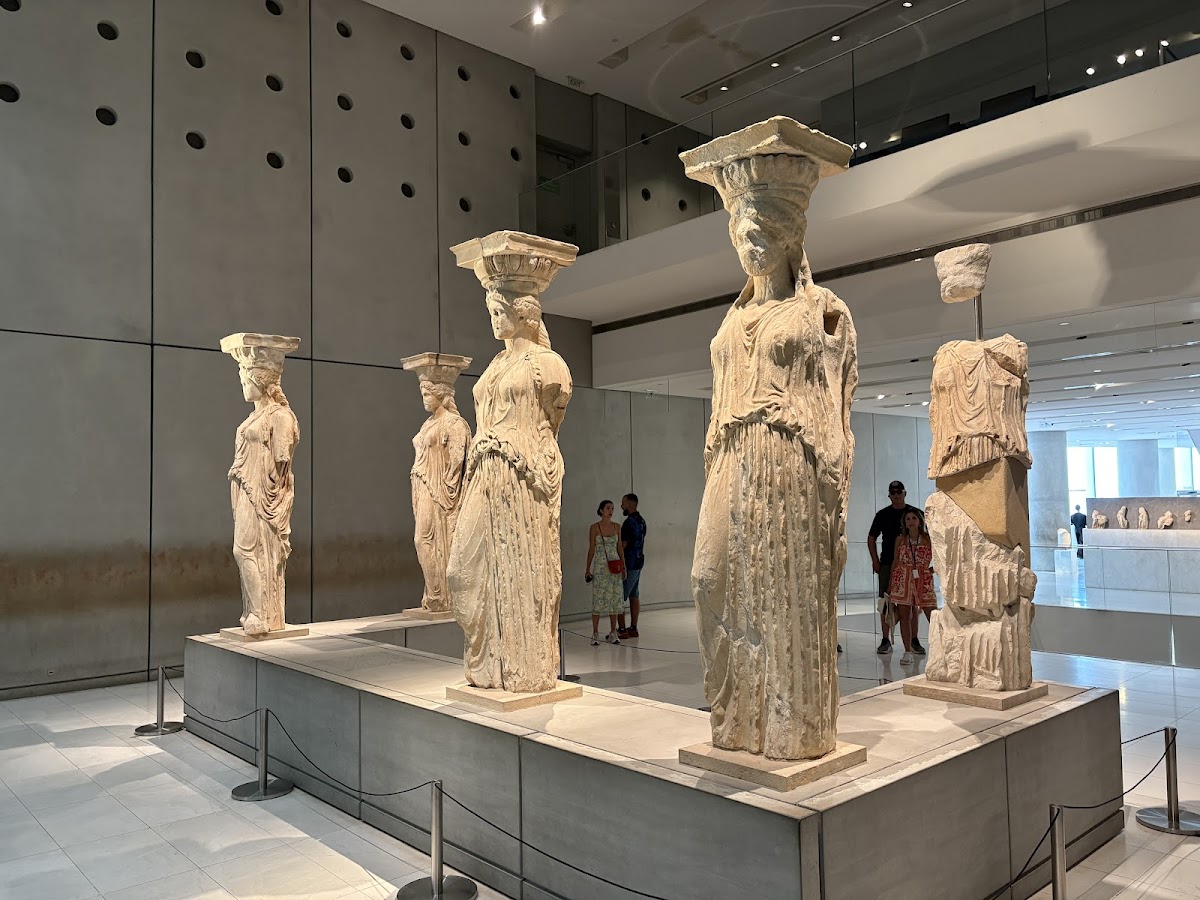
The Acropolis Museum is situated at Dionysiou Areopagitou 15, Athina 117 42, Greece, directly beneath the Acropolis Hill. It is easily accessible, just a 3-minute walk from the Acropoli Metro station. Opened in 2009, the museum houses over 4,000 artifacts, including exquisite sculptures from the Parthenon, vividly bringing to life the myths and history of the Acropolis.
The museum's design is a modern tribute to the ancient Acropolis, with a transparent glass floor on the first level revealing ancient residential ruins beneath. A gentle ramp guides visitors upwards, mimicking the ascent to the Acropolis. The top-floor Parthenon Gallery, mirroring the Parthenon's dimensions and orientation, displays its friezes and pediment sculptures, offering direct views of the actual temple through large glass windows. This architectural integration allows for a profound dialogue between ancient artifacts and their original context.
The Benaki Museum: A Comprehensive Journey Through Greek Culture
Located at Koumpari 1, Athina 106 74, Greece, in the heart of Athens, the Benaki Museum is a comprehensive institution showcasing Greek culture and art from antiquity to the present. It is a 10-minute walk from Syntagma Metro station. Its extensive collections include archaeological finds, Byzantine icons, traditional costumes, and modern artworks, narrating Greece's artistic and historical evolution.
Highlights include minimalist Cycladic sculptures from the prehistoric era (3rd millennium BC), vibrant Byzantine icons reflecting the spiritual depth of the Eastern Roman Empire, and textiles and ceramics from the Ottoman period that illustrate East-West cultural exchange. The museum also features paintings and artifacts from the 1821 Greek War of Independence, embodying the national spirit and struggle for identity.
EMST National Museum of Contemporary Art: Athens' Modern Voice
The EMST National Museum of Contemporary Art, at Leof. Andrea Siggrou 51-53, Athina 117 43, Greece, is housed in a converted old brewery, just a minute's walk from the Syngrou-Fix Metro station. This transformation creates a dynamic space where industrial heritage meets contemporary art, offering a fresh contrast to Athens' ancient ruins.
EMST collects and exhibits contemporary Greek and international art, reflecting the evolving landscape of modern creative expression. Its vast spaces host diverse works, including video installations, conceptual art, and large sculptures, which actively engage with contemporary societal issues such as economic crises, refugee challenges, and national identity within the EU. The museum serves as a vital cultural hub, demonstrating Athens' vibrant energy and its forward-looking perspective, contributing significantly to global contemporary art discourse.
Athens Museum Visit Information
Practical information for visiting Athens' key museums is provided below.
Acropolis Museum Visit Details
- Admission: Adults 5€, Students 3€. Free entry on Sundays from November to March.
- Operating Hours: Mon-Thu 09:00-17:00; Fri 09:00-22:00; Sat-Sun 09:00-20:00.
- Location: Dionysiou Areopagitou 15, Athina 117 42, Greece.
- Transportation: 3-minute walk from Acropoli Metro station.
- Estimated Visit Time: Approximately 2 hours.
Benaki Museum Visit Details
- Admission: Adults 12€, Students 6€. Free entry on Thursdays.
- Operating Hours: Mon, Wed, Fri, Sat 10:00-18:00; Tue closed; Thu 10:00-23:30; Sun 10:00-16:00.
- Location: Koumpari 1, Athina 106 74, Greece.
- Transportation: 10-minute walk from Syntagma Metro station.
- Estimated Visit Time: Approximately 2 hours.
EMST National Museum of Contemporary Art Visit Details
- Admission: Adults 10€, Students 5€.
- Operating Hours: Tue-Wed 11:00-19:00; Thu 11:00-22:00; Fri-Sun 11:00-19:00; Mon closed.
- Location: Leof. Andrea Siggrou 51-53, Athina 117 43, Greece.
- Transportation: 1-minute walk from M2 Syngrou-Fix Metro station.
- Estimated Visit Time: Approximately 2 hours.
General Tips for Athens
- Public Transport: Athens has an efficient Metro system, making it convenient to reach most major attractions and museums. Consider single tickets or 24-hour/5-day passes.
- Before Your Visit: Operating hours, admission fees, and closing days may vary by season or special events. It is highly recommended to check the official websites for the latest information before your visit. Many sites are closed on Greek national holidays.
Visitor Info
| Estimated Visit | Translating |
| Translating | Translating |
| Recommended Route | Translating |