Light Holding Time, The Art Institute of Chicago: Walking Through a Sanctuary of Impressionism
Light Holding Time, The Art Institute of Chicago: Walking Through a Sanctuary of Impressionism
The Art Institute of Chicago: A Global Art Sanctuary
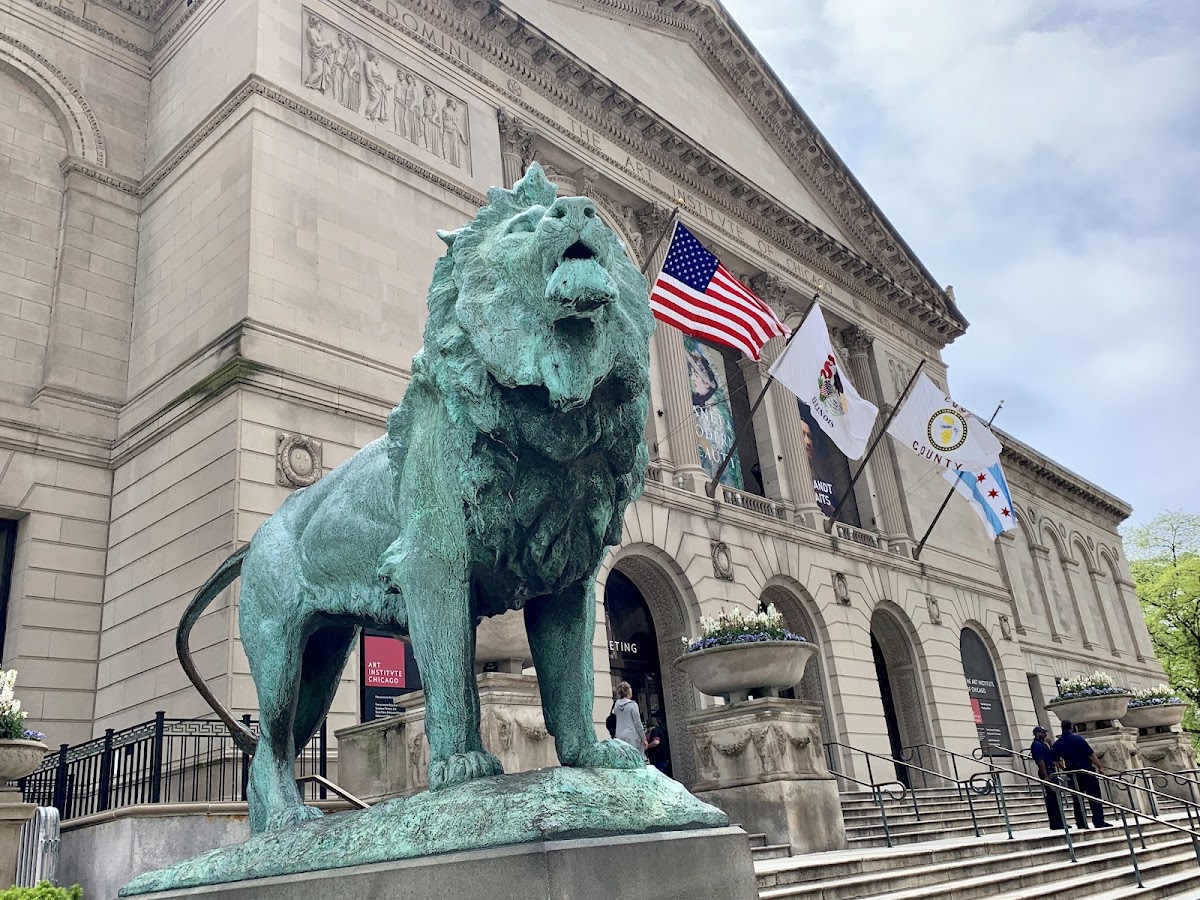
Located at 110 Roosevelt Rd, Chicago, IL 60605, the Art Institute of Chicago stands as a prominent cultural landmark in the heart of downtown Chicago. Guarded by two iconic bronze lions, the museum is easily accessible via public transport, with the Adams/Wabash 'L' station just a 3-minute walk away. Its proximity to Millennium Park seamlessly connects indoor and outdoor artistic experiences.
Historical Foundations and Architectural Evolution
Established in 1879 as the 'Chicago Academy of Fine Arts,' the institution quickly evolved to meet Chicago's growing cultural demands. The current main building, a grand Beaux-Arts structure, was originally constructed for the 1899 World's Columbian Exposition, becoming the museum's permanent home. This marked a significant expansion, transforming it into a major art institution.
In 2009, the museum further expanded with the addition of the Modern Wing, designed by acclaimed architect Renzo Piano. This contemporary structure, characterized by glass and steel, contrasts with the classical main building while enhancing the museum's architectural range. Piano's design prioritizes natural light, creating an optimal viewing environment for the modern art collection it houses.
World-Class Collections: Impressionism and Beyond
The Art Institute of Chicago is renowned globally for its extensive collection of Impressionist and Post-Impressionist works, considered the largest outside of France. This includes masterpieces by Claude Monet, Georges Seurat, Vincent van Gogh, and Pierre-Auguste Renoir. Georges Seurat's monumental A Sunday on La Grande Jatte – 1884, a prime example of pointillism, captivates visitors with its intricate detail and serene composition.
Monet's series, such as Haystacks and Water Lilies, demonstrate his dedication to capturing the ephemeral qualities of light and color. Vincent van Gogh's The Bedroom offers an intimate glimpse into the artist's emotional landscape through vibrant hues and dynamic brushstrokes. Beyond these, the museum's collection spans over a million objects, from ancient Egyptian artifacts to contemporary art, encompassing diverse cultures and periods.
Educational Impact and Visitor Experience
Beyond its role as a gallery, the Art Institute is deeply committed to art education through the School of the Art Institute of Chicago (SAIC). This esteemed institution has nurtured numerous artists, including Walt Disney, leveraging the museum's vast collection as a vital educational resource.
Visitors can explore various wings, beginning with the classical main building for historical and Impressionist art, then transitioning to the Modern Wing for 20th-century and contemporary works. The museum recommends allocating 4-6 hours for a comprehensive visit. Practical information, including operating hours (typically 11 AM - 5 PM, with extended hours on Thursdays), admission fees (adults $25, Chicago residents $19), and special free admission days, is available on the official website (https://www.artic.edu).
Visitor Info
| Estimated Visit | Translating |
| Translating | Translating |
| Recommended Route | Translating |