CAC Vilnius — The Baltic's Contemporary Art Laboratory
CAC Vilnius — The Baltic's Contemporary Art Laboratory
CAC Vilnius — A Contemporary Art Hub in the Baltic
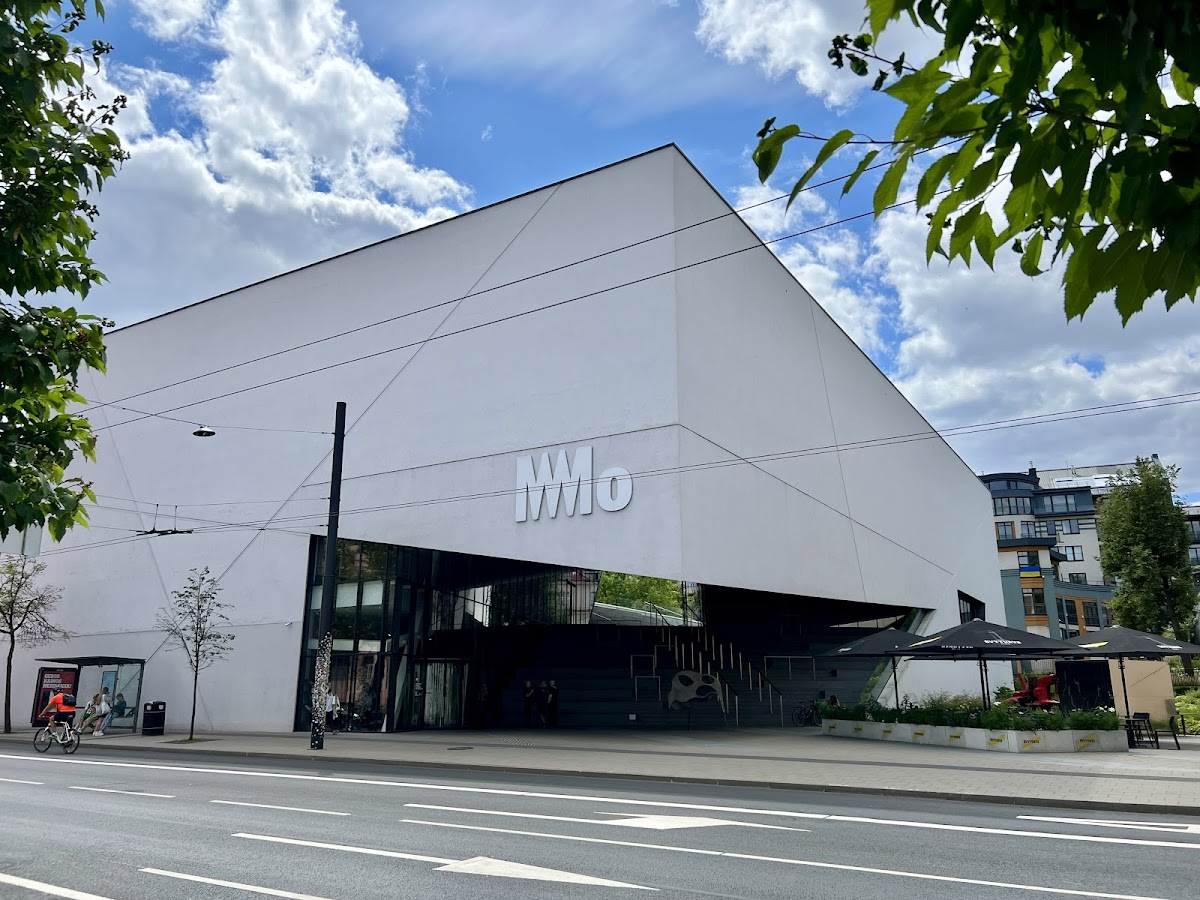
The Contemporary Art Centre (CAC) in Vilnius, Lithuania, stands as a prominent institution for modern art, contrasting with the city's historic Baroque architecture and cobblestone streets. Located at Vingrių g. 6, 01141 Vilnius, it is approximately a 10-15 minute walk from the heart of Vilnius Old Town. The building itself, a significant example of Brutalist architecture, immediately distinguishes itself from its historical surroundings, marking a unique point where the city's past and present converge.
Architectural Legacy — Brutalism from the Soviet Era
The CAC building was constructed in 1968 during the Soviet era. Its Brutalist design features a robust, imposing concrete exterior that emphasizes functionality and structural honesty. This architectural style, characterized by its raw materials and monumental scale, provides a stark yet compelling backdrop for contemporary art. The building's inherent flexibility and unadorned spaces are well-suited to house diverse and experimental artistic expressions.
Institutional Establishment — The Contemporary Art Centre Since 1992
The Contemporary Art Centre (CAC) was formally established in 1992, repurposing the 1968 Brutalist structure into a leading venue for modern art. Since its inception, CAC has been dedicated to presenting and promoting contemporary art and culture, showcasing works by both Lithuanian and international artists. It plays a crucial role in the Baltic region's art scene, fostering critical discourse and connecting various audiences with current artistic practices through dynamic exhibitions, performances, and educational programs.
Flexible Interiors for Experimental Art
Inside, the CAC offers surprisingly flexible and open spaces, characterized by high ceilings and an expansive feel. This design allows for a wide range of contemporary art installations, from large-scale works to immersive and interactive experiences. The interplay of natural light and artificial illumination constantly transforms the atmosphere, making the exhibition spaces an integral part of the artistic presentation. This adaptability enables artists to freely explore and realize ambitious projects that challenge traditional exhibition formats.
Exhibitions — A Laboratory for Unpredictable Art Forms
CAC's exhibitions are known for their experimental and often unpredictable nature. They extend beyond traditional painting and sculpture to embrace diverse genres such as installation art, video art, performance, sound art, and media art. The center frequently hosts immersive installations that transform entire spaces into labyrinthine environments, and interactive exhibits that respond to visitor movements, creating a dynamic engagement between art and audience.
These exhibitions aim to stimulate the senses and provoke thought, offering new perspectives on familiar concepts. Visitors are encouraged to engage with the art on multiple levels, fostering a deeper understanding of contemporary issues and artistic practices. The focus is not only on visual aesthetics but also on the critical questions and dialogues that the artworks generate, covering themes such as social, political, environmental, and existential inquiries.
A Platform for Local and International Dialogue
The CAC serves as a vital platform for Lithuanian artists, providing significant exhibition opportunities, while also facilitating cultural exchange with international artists. It is a hub for cross-border artistic dialogue, contributing significantly to Vilnius's emergence as an important center for contemporary art in Europe. The center's curation is not confined to specific styles or movements; instead, it focuses on discovering new talents and ideas, offering a global overview of art trends alongside works reflecting unique Lithuanian sensibilities.
Visitor Information
The Contemporary Art Centre is located at Vingrių g. 6, 01141 Vilnius, Lithuania. It is open from Tuesday to Sunday, 12:00 to 20:00, and closed on Mondays. Admission fees are 6€ for adults and 3€ for students, with free entry for children under 7. Visitors are advised to check the official website (https://cac.lt) for the most up-to-date information on operating hours and special exhibitions. A typical visit lasts approximately 1 to 1.5 hours. The CAC is easily accessible by foot from Vilnius Old Town, or via public transport to nearby stops like Vokiečių st. or Trakų st.
Visitor Info
| Location | Vokiečių g. 2, Vilnius |
| Hours | 12:00 - 20:00 (Mon closed) |
| Admission | €4 |
| Founded | Translating |
| Estimated Visit | 1-1.5hr |