Walking Through the Artistic Heart of New Delhi, India — National Gallery of Modern Art
Walking Through the Artistic Heart of New Delhi, India — National Gallery of Modern Art
National Gallery of Modern Art, New Delhi — A Journey Through India's Artistic Heritage
The National Gallery of Modern Art (NGMA) in New Delhi, located near India Gate on Mathura Road, serves as a vital cultural institution in India's capital. Housed in the historic Jaipur House, a former residential palace, the museum beautifully blends traditional Indian architecture with modern exhibition spaces. Established in 1954 by Dr. Sarvepalli Radhakrishnan, India's first Vice President, NGMA was conceived to preserve and promote India's artistic legacy and to help define a new national identity post-independence.
Collection Highlights — From Bengal School to Progressive Artists
NGMA's extensive collection spans from the 1850s to the present day, featuring over 70,000 works that chronicle India's artistic evolution. A significant portion of the collection highlights the early 20th-century Bengal School, led by figures like Rabindranath Tagore and Abanindranath Tagore. This movement, while influenced by Western art, reinterpreted traditional Indian painting techniques, myths, and nationalist sentiments, often characterized by soft colors and delicate brushwork.
Following India's independence in 1947, the Progressive Artists' Group emerged, ushering in a new era of modern Indian art. Artists such as Francis Newton Souza, S. H. Raza, and M. F. Husain embraced Western modernism while focusing on Indian social realities and human experiences. Their works, often featuring bold colors and daring forms, convey social critiques and reflect the dynamic and diverse nature of contemporary Indian art. M. F. Husain's pieces, in particular, offer a vibrant portrayal of Indian daily life, culture, and religious symbolism.
The National Gallery, London — A Repository of European Masters
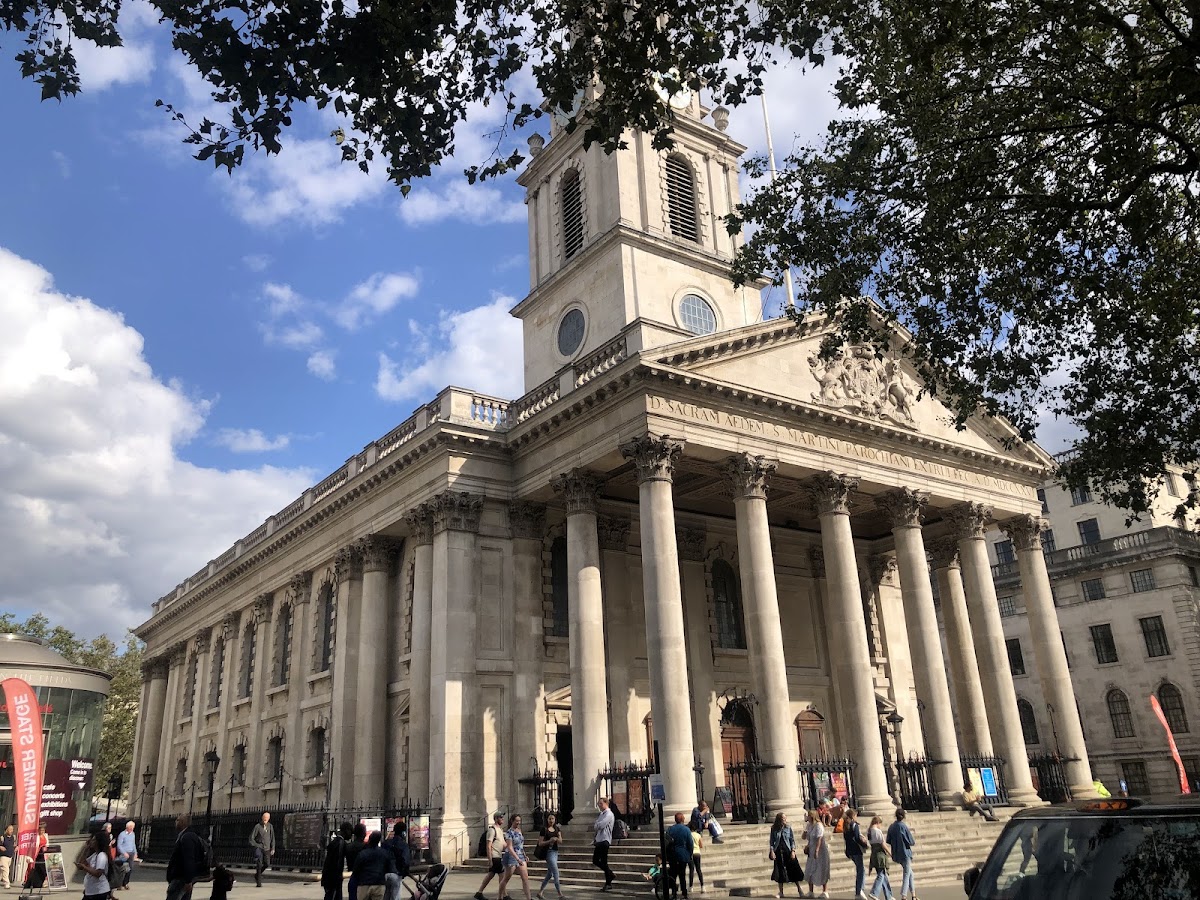
In stark contrast to NGMA, the National Gallery in London, situated at Trafalgar Square, is a global beacon for European painting. Opened in 1824, it houses over 2,300 works spanning the 13th to the 19th centuries. The neoclassical architecture itself is a masterpiece, designed to allow ample natural light to illuminate the artworks. Key highlights include Vincent van Gogh's 'Sunflowers,' known for its vibrant yellows and thick brushstrokes conveying vitality and hope, and Diego Velázquez's 'Rokeby Venus,' a rare depiction of a female nude from behind, prompting contemplation on the essence of beauty.
William Turner's landscapes, such as 'The Fighting Temeraire,' dramatically capture the grandeur of English nature and the interplay of light and atmosphere. His works often reflect the melancholy of changing eras, contrasting past glories with emerging industrialization. The gallery offers a comprehensive journey through European art history, with permanent collections accessible for free.
Chittagong Art Gallery Building, Bangladesh — Architecture as Art
The Chittagong Art Gallery Building in Bangladesh stands as an architectural marvel, demonstrating how a building can enhance the art viewing experience. Its design thoughtfully responds to Chittagong's hot and humid climate, featuring an exterior of local red brick and concrete that exudes robustness and refined simplicity. The structure comprises organically connected blocks, incorporating inner courtyards and resting spaces that invite contemplation.
Inside, natural light plays a transformative role, filtering through high ceiling skylights to softly illuminate artworks and cast long shadows that add depth to the space. The carefully calculated lighting ensures a comfortable atmosphere even on bright days. The visitor flow is designed to be engaging, leading from a high-ceiling main hall through narrow corridors to diverse exhibition rooms. The interplay of white walls with exposed concrete and brick textures creates a harmonious backdrop, making the building itself an integral part of the artistic experience.
Visitor Information
- National Gallery of Modern Art, New Delhi: Admission for foreigners is paid (exact amount recommended to check on-site). Open Tuesday to Sunday, 10:00 AM - 5:00 PM; closed Mondays and national holidays. Located at 29, Mathura Road, New Delhi. Accessible via Mandi House or Khan Market metro stations.
- The National Gallery, London: Permanent exhibitions are free; special exhibitions may have a fee. Open Monday-Thursday, Saturday-Sunday from 10:00 AM - 6:00 PM, and Friday from 10:00 AM - 9:00 PM. Closed on January 1st and December 24th-26th. Located at 44 Trafalgar Sq, London. Easily accessible by London Underground.
- Chittagong Art Gallery Building, Bangladesh: Admission fees apply (local 50-100 BDT, foreign 200-300 BDT, check on-site). Open Tuesday to Sunday, 10:00 AM - 5:00 PM; closed Mondays. Located on Mohammed Ali Road in Chittagong city center, accessible by rickshaw or auto-rickshaw.
Visitor Info
| Admission | Translating |
| Hours | 10:00 - 17:00 (Mon closed) |
| Location | 29, Mathura Road, New Delhi, Delhi 110001, India |
| Getting There | Translating |
| Estimated Visit | Translating |