MAC Niterói — Rio's Jewel, Architecture Embracing the Future
Brazil's Breath of Rio, a Lighthouse of Art Embracing the Future: The Niterói Contemporary Art Museum
Leaving behind the vibrant cityscape of Rio de Janeiro, the moment you step onto a ferry crossing the serene Guanabara Bay, a mystical experience as if time stands still begins. This short yet enchanting 20-minute boat journey is more than just transportation; it's a quiet ritual, a departure from the hustle and bustle of everyday life, venturing into a wondrous world forged by art and nature. As the ferry glides smoothly over the gentle waves, the refreshing sea breeze kissing your nose and the peaceful cries of seagulls awaken your senses. The iconic silhouette of Christ the Redeemer and the majestic Sugarloaf Mountain, symbols of Rio, gradually fade into the distance. Soon, beyond the horizon, an unprecedented architectural form begins to emerge. Under the intense sunlight, the colossal dish-shaped dome appears to float mysteriously on the sea, like a spaceship from an unknown world, presenting a breathtaking first impression. This is the 'Niterói Contemporary Art Museum (MAC),' boasting an impressive average rating of 4.6 stars from 21,801 reviews worldwide, celebrated not merely as a museum but as a living work of art in itself.
The Aesthetics of Curves, Oscar Niemeyer's Architectural Philosophy
MAC Niterói was born from the hands of Oscar Niemeyer, one of the 20th century's most influential architects and a living legend of Brazilian architecture. He was the mastermind behind the construction of Brasília, advocating that 'curves are the language of God,' and was a socialist who pursued art for the oppressed. His architecture distinctly deviates from the linear and rational European modernism, characterized instead by the beauty of free-flowing, organic curves. Completed in 1996 when he was 89 years old, this museum is one of his masterpieces, showcasing the zenith of Niemeyer's architectural philosophy and artistic vision. He likened MAC to a 'bird flying over the sea' or a 'flower in full bloom,' aiming for perfect harmony with nature. Indeed, the museum's form resembles a giant plant rising from the ocean. The long, slender, red cylindrical column evokes a plant's stem, while the circular dome perched atop it exudes a mysterious elegance, like a lotus petal or an unidentified flying object. This architecture is more than a mere structure; it embodies Niemeyer's poetic inspiration, elevating Brazil's dynamic spirit and free-spirited ethos into architectural language.
Leading to the museum, a grand red spiral ramp unfolds, guiding visitors into a contemplative world. As you ascend this ramp, your vision gradually expands, revealing a panoramic view of Guanabara Bay and Rio like a painting. The scenery, transforming with each step, offers a dramatic, cinematic emotional experience. This ramp is not merely a passage but a space for an artistic encounter where architecture, nature, and humanity interact. Niemeyer wished for people to connect with nature through architecture and to reflect on the essence of life through art. This red ramp is one of the most symbolic elements that best illustrate his philosophy. The interplay of light and shadow created by the warm sunlight hitting the red concrete walls, coupled with the distant sound of waves, further embraces the visitor's heart with peace.
A Vessel for Art, Inner Serenity
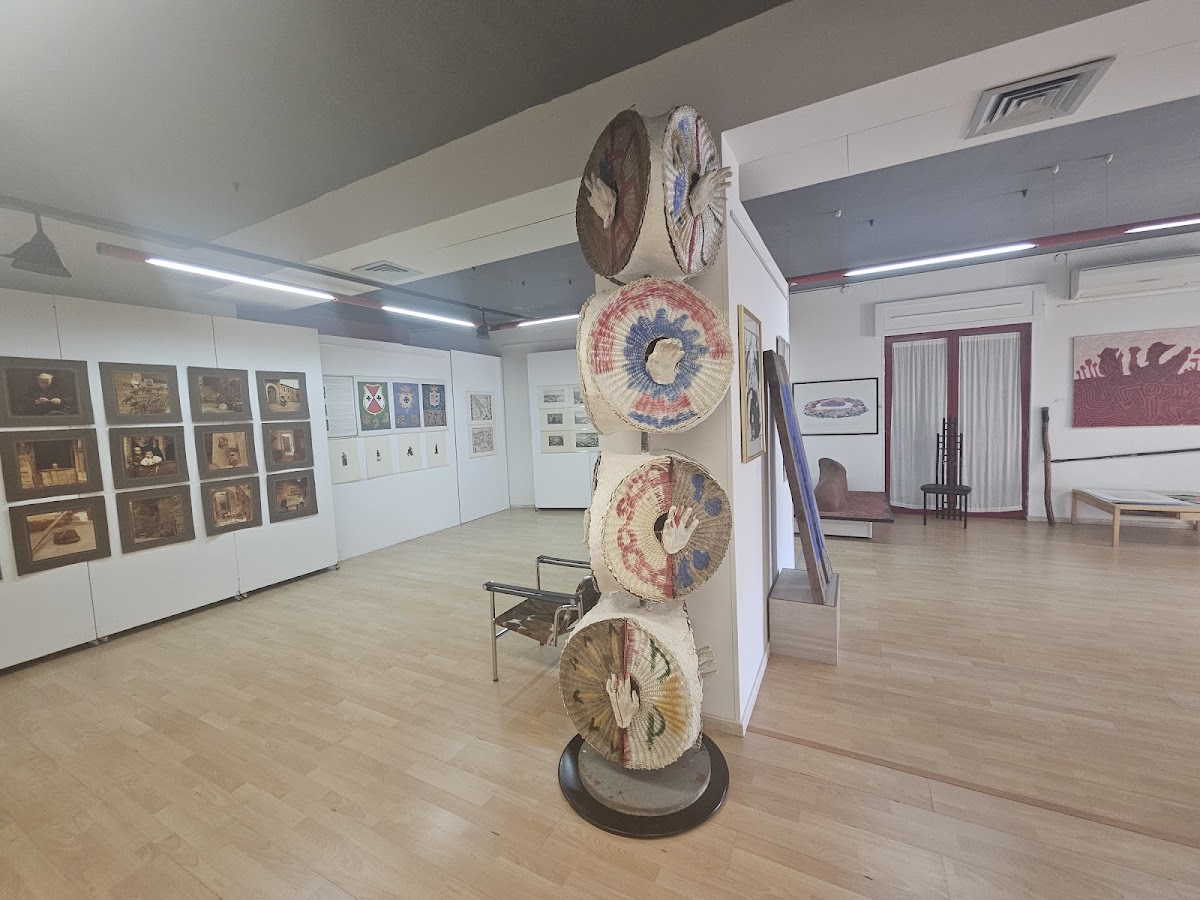
In stark contrast to its flamboyant exterior, the museum's interior perfectly reflects Niemeyer's unique architectural philosophy. Unlike the external flamboyant curved aesthetics, the internal space is designed with a simple and minimalist approach, creating a calm and serene atmosphere. The interior, composed of white walls and soft curves, is designed to direct all focus to the artworks themselves, allowing visitors to immerse themselves in contemplation and deeply experience art. The contrast between the overwhelming exterior landscape and the refined interior space offers visitors a dual emotional impact. Outside, the blue waters of Guanabara Bay and Rio's beautiful skyline unfold like a moving painting, while inside, the space functions as a sacred sanctuary dedicated solely to communion with art. The unique lighting subtly controls natural light to enhance the texture of the artworks, and the hushed indoor air is so quiet that even a small footstep echoes, adding to the sense of immersion.
Established in 1976, the Niterói Contemporary Art Museum primarily surveys significant trends in Brazilian contemporary art from the late 20th century to the present. Its permanent collection of approximately 1,500 works spans various genres including painting, sculpture, photography, installation art, and video art, with a particular focus on the innovative artistic world of Brazilian artists. It plays a crucial role in exploring the identity of Brazilian contemporary art and showcasing its broad spectrum. Although specific artists' works are not always on permanent display, the museum constantly curates special exhibitions with new perspectives and themes, providing visitors with fresh and diverse experiences each time. Works featuring intense colors, indigenous symbols, and socio-critical messages serve as a gateway to deeply understand Brazil's history, culture, and social issues. When visiting, it is advisable to check the museum's official website in advance for current and upcoming exhibition information, ensuring you don't miss the opportunity to encounter specific periods or trends in Brazilian contemporary art, or the in-depth world of particular artists.
A View Embracing Sea and Sky, an Unforgettable Panorama
A visit to MAC Niterói offers more than just appreciating artworks; it presents a holistic experience where architecture and surrounding landscape harmoniously blend. Reaching the highest floor of the three-story dome, the majestic panorama of Rio de Janeiro unfolding beyond the glass walls captivates every visitor. The Christ the Redeemer statue on Corcovado Mountain, Sugarloaf Mountain, and the skyline of Rio encompassing Copacabana and Ipanema beaches are truly overwhelming. Especially at dusk, as the sky is painted in hues of orange and purple, the glittering city lights of Rio harmonizing with the tranquil bay create a breathtaking spectacle and an unforgettable emotional ecstasy that will last a lifetime. This moment transcends mere visual pleasure; it instills a sense of awe as if witnessing the perfect fusion of nature's grandeur and human-made beauty. Photography is a must, and every picture taken against this wondrous backdrop will be remembered as a work of art. Strolling along the well-landscaped pathways surrounding the museum is also an unmissable experience. Viewing the majestic dome from various angles and seeing the museum extend towards the sea creates an illusion of art and ocean becoming one. The time spent feeling the museum's curved aesthetics fully embraced by the cool sea breeze will be the highlight of your journey.
Practical Advice for an Unforgettable Journey
- Best Time to Visit: We recommend visiting early on a weekday morning or around sunset, when there are relatively fewer visitors. In the morning, soft sunlight beautifully illuminates the museum's white exterior walls and red ramp, creating a calm atmosphere. At sunset, the breathtaking spectacle of the sun setting over Guanabara Bay, blending with Rio's skyline, is absolutely stunning, so be sure to bring your camera.
- Transportation: Taking a ferry from downtown Rio is the most efficient and scenic way to get there. It takes about 20 minutes from Rio's Praça XV de Novembro ferry terminal to Niterói's Praça Araribóia terminal, offering a unique maritime view of Rio at an affordable cost. Ferries operate quite frequently, but schedules may vary on weekends or holidays, so it's advisable to check in advance. The ferry offers a different charm of Rio viewed from the sea, distinct from Copacabana Beach or Christ the Redeemer on Corcovado Mountain.
- Pre-Visit Information: Before your visit, always check the museum's official website for opening hours, admission fees, and information on current exhibitions. Opening hours may vary by day, and there might be closing days. Special exhibitions might also require separate admission fees. Online booking may sometimes help save waiting time.
- Essential Items: Brazil's sun is very strong, so be sure to bring sunscreen, a hat, and sunglasses. To comfortably explore the museum's interior and surroundings, comfortable shoes are a must. Additionally, it's a good idea to bring a personal water bottle for adequate hydration. Don't forget your camera for enjoying the scenery and taking photos.
- Nearby Attractions and Dining: After your museum visit, explore downtown Niterói a bit more. Near Praça Araribóia, there are many restaurants and cafes where you can taste local food. We particularly recommend places offering fresh seafood. Also, not far from MAC, 'Parque da Cidade' offers another fantastic viewpoint where you can overlook both Niterói and Rio's city center.
The Niterói Contemporary Art Museum is more than just a tourist attraction; it is a special place where you can experience the ecstatic harmony created by Brazil's art, architecture, and magnificent nature. In Oscar Niemeyer's ingenious architectural aesthetics, feel the pulse of Brazilian contemporary art, and be captivated by the dazzling scenery of Guanabara Bay. The time spent here will undoubtedly shine forever as an unforgettable golden memory in your journey.
Visitor Info
| Admission | Adult R$ 12, Student/노인 R$ 6 (Varies by exhibition할 Wed 있음) |
| Hours | Tue-Sun 10:00 ~ 17:00 (Mon요Closed Sun, 공휴Sun 확인 필요) |
| Location | Mirante da Boa Viagem, s/nº - Centro, Niterói - RJ, 24030-000, Brazil |
| Getting There | 리우 city center from 페리 이용 (약 20min 소요), Bus 이용 가능 |
| Estimated Visit | 약 2~3hr (전시 관람 및 주변 경관 감상 포함) |