Jewel of Frankfurt, Städel Museum: A Timeless Feast of Art
Jewel of Frankfurt, Städel Museum: A Timeless Feast of Art
Städel Museum: A Premier Art Institution on Frankfurt's Museum Embankment
The Städel Museum, officially known as Städelsches Kunstinstitut und Städtische Galerie, is a prominent art museum located on the Sachsenhausen bank of the Main River in Frankfurt am Main, Germany. Its address is Holbeinsteg, Holbeinstraße, 60596 Frankfurt am Main. The museum is a cornerstone of the Museumsufer, a renowned cluster of museums along the river, offering a rich cultural experience against the backdrop of Frankfurt's modern skyline.
Founding and Collection Scope
Established in 1815 by the banker Johann Friedrich Städel, the museum was founded with his extensive art collection and personal fortune, dedicated to the public of Frankfurt. The Städel Museum boasts one of Germany's most significant art collections, spanning over 700 years of European art history, from the Middle Ages to contemporary works. Its vast holdings include 3,100 paintings, 660 sculptures, over 4,600 photographs, and more than 100,000 drawings and prints.
Highlights of the Collection
The painting collection features masterpieces from various periods. Visitors can explore works by Old Masters such as Jan van Eyck (including the 'Lucca Madonna'), Sandro Botticelli, and Rembrandt, showcasing the depth of Renaissance and Baroque art. The journey continues through the 19th and 20th centuries with Impressionist works by Claude Monet and Pierre-Auguste Renoir, and modern art by pioneers like Pablo Picasso, Henri Matisse, and Francis Bacon. These works illustrate the evolution of artistic styles and movements through the centuries.
Exhibition Spaces and Library
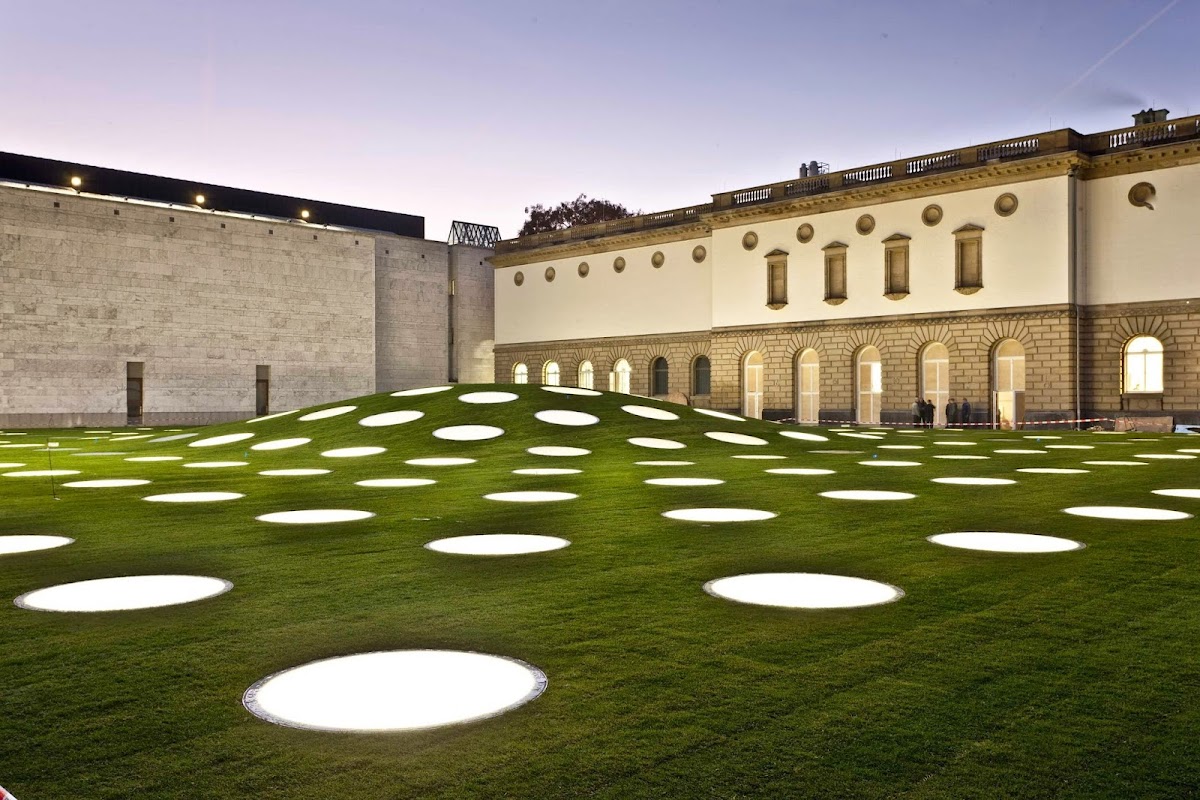
The museum's exhibition area covers approximately 7,000 square meters, blending its historic 19th-century main building with a modern extension completed in 2011. This architectural fusion provides diverse environments for appreciating art, from classic galleries to contemporary spaces featuring unique natural light designs. Furthermore, the Städel Museum houses a specialized art library with 115,000 books, serving as a vital resource for art historical research and education.
Visitor Information
The Städel Museum is open Monday, Wednesday, Thursday, Saturday, and Sunday from 10:00 to 18:00, with extended hours on Fridays until 21:00. It is closed on Tuesdays. Admission for adults is approximately 16 Euros, with potential discounts for online bookings or variations for special exhibitions. The museum is conveniently accessible via S-Bahn (Lokalbahnhof or Hauptbahnhof), Tram 16 (Städel Museum stop), or U-Bahn (Schweizer Platz station), followed by a short walk. A comprehensive visit typically requires 3-4 hours, with a full day recommended for in-depth exploration.
Exploring the Surroundings
Located in the charming Sachsenhausen district, the Städel Museum offers an excellent starting point for local exploration. Sachsenhausen is famous for its traditional Apfelwein (apple wine) taverns. After a museum visit, guests can enjoy local Hessian cuisine and Apfelwein at establishments like 'Adolf Wagner' or 'Zur Gemütlichkeit,' both within walking distance. The Main River embankment also provides scenic walking paths to the Altstadt (Old Town) for more dining and cultural options.
Visitor Info
| Location | Holbeinsteg, Holbeinstraße, 60596 Frankfurt am Main, Germany |
| Hours | Translating |
| Admission | Translating |
| Getting There | Translating |
| Estimated Visit | Translating |
Featured Works

상부 라인 화가 (Upper Rhenish Master)
낙원의 정원 (Paradise Garden)
슈테델 미술관의 보물, 중세 말 낙원의 정원

요하네스 페르메이르 (Johannes Vermeer)
지리학자 (The Geographer)
페르메이르의 두 학자 그림 중 하나

요한 하인리히 빌헬름 티슈바인 (Johann Heinrich Wilhelm Tischbein)
로마 캄파냐의 괴테 (Goethe in the Roman Campagna)
괴테의 이탈리아 여행을 기념하는 가장 유명한 초상화