The World's Best Photography Museums: Humanity's Drama Captured by the Lens
The World's Best Photography Museums: Humanity's Drama Captured by the Lens
Expedition Log: Photography Museums in New York and Berlin
From June 16 to 20, 2026, this expedition log documents a journey through the profound world of photography. The International Center of Photography (ICP), the Metropolitan Museum of Art (Met), and the Museum of Modern Art (MoMA) in Manhattan, along with the Helmut Newton Foundation in Berlin, are explored. This record highlights the value and history of photography through human moments captured by the lens, noting each institution's unique philosophy and exhibition flow.
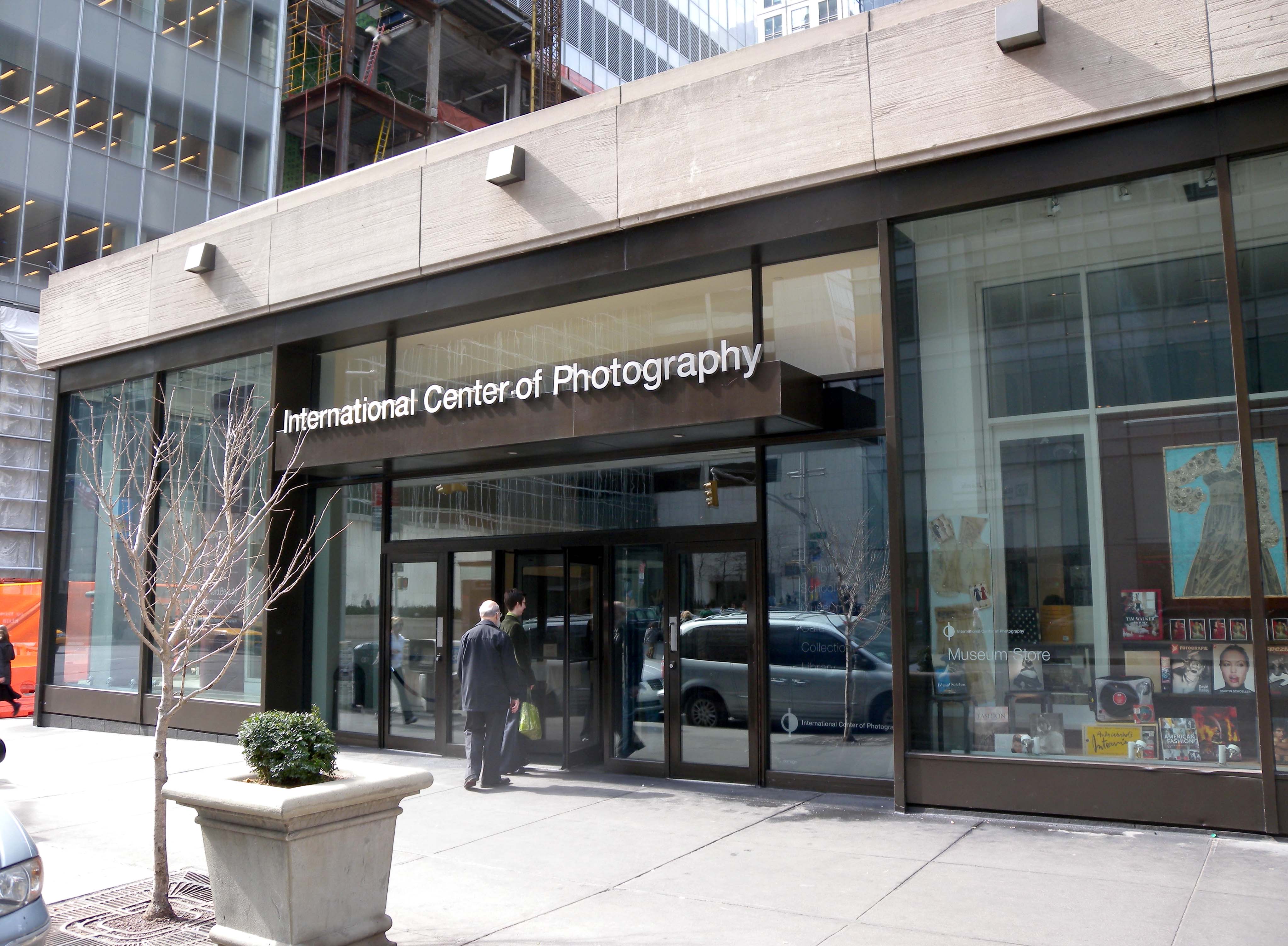
International Center of Photography (ICP) — Manhattan's Hub for Concerned Photography
Located at 115 W 41st St, New York, NY 10036, the International Center of Photography (ICP) is easily accessible via the F, J, M, Z subway lines at Essex St station. Founded in 1974 by Cornell Capa, brother of Robert Capa, ICP champions 'Concerned Photography,' emphasizing photography's role in addressing social issues and fostering human solidarity. Its collection features works by masters like W. Eugene Smith, Henri Cartier-Bresson, and Dorothea Lange, showcasing photography as a powerful tool for social change and education.
ICP's dynamic exhibition program and educational initiatives explore the diverse historical and contemporary roles of photography, from documentary and photojournalism to art and social commentary. The institution serves as a vital center for critical dialogue and the preservation of photographic heritage, continually proving that photography is more than just a record; it is a catalyst for societal transformation.
The Metropolitan Museum of Art (Met) — A Grand Journey Through Photography's Evolution
The Metropolitan Museum of Art, situated at 1000 5th Ave, New York, NY 10028, on the eastern edge of Central Park, houses an extensive photography collection within its vast halls. This collection traces the evolution of photography from its 19th-century origins, including daguerreotypes and calotypes, to contemporary digital works. Notable artists include William Henry Fox Talbot, Alfred Stieglitz, Eugène Atget, Diane Arbus, and Robert Frank.
The Met's photography galleries offer a comprehensive view of how the medium has evolved as an art form, documenting human history and culture. The museum's grand architecture provides a fitting backdrop for these works, allowing visitors to appreciate the aesthetic and historical significance of each piece. Admission for New York State residents and students from NY, NJ, CT is pay-what-you-wish; for others, it may be free or require a fee for special exhibitions. Online reservations are recommended.
The Museum of Modern Art (MoMA) — Modern Architecture and Photographic Art
MoMA, located in Midtown Manhattan, is a global leader in modern and contemporary art, encompassing painting, sculpture, design, film, and photography. The museum's architecture, significantly expanded and renovated in 2019, creates an open and organic exhibition space. Its photography galleries are designed to maximize the viewing experience, with careful consideration given to lighting and spatial arrangement.
The collection includes works by Berenice Abbott, Man Ray, and Henri Cartier-Bresson, whose photographs engage in a visual dialogue with MoMA's modern spaces. Abbott's New York cityscapes, for instance, resonate deeply within the museum's urban context. MoMA's outdoor Sculpture Garden offers a unique complement to the indoor exhibits, providing a tranquil space for reflection amidst contemporary sculptures. The museum's architecture itself acts as a canvas, enhancing the brilliance of the photographic art within. Admission is approximately $25 for adults, with discounts available, and free entry on certain Friday evenings.
Visitor Information Summary
International Center of Photography (ICP)
- Admission: Adults $18, Students $12.
- Operating Hours: Mon, Wed, Fri-Sun 10:30 AM - 6:30 PM; Tue 11:30 AM - 6:30 PM; Thu 10:30 AM - 8:00 PM.
- Location: 115 W 41st St, New York, NY 10036, USA.
- Transportation: Subway F/J/M/Z to Essex St station.
The Metropolitan Museum of Art (Met)
- Admission: Free or paid for special exhibitions (NY State residents and students pay-what-you-wish).
- Operating Hours: Mon-Tue, Thu 10:00 AM - 5:00 PM; Fri-Sat 10:00 AM - 9:00 PM; Sun 10:00 AM - 5:00 PM; Closed Wed.
- Location: 1000 5th Ave, New York, NY 10028, USA.
- Transportation: Subway 4, 5, 6 to 86th St station.
The Museum of Modern Art (MoMA)
- Admission: Approx. $25 for adults (discounts available, free on select Friday evenings).
- Operating Hours: Generally 10:30 AM - 5:30 PM; Sat until 7:00 PM; Closed Tue.
- Location: 11 W 53rd St, New York, NY 10019, USA (confirm on official website).
- Transportation: Subway E, M to 53rd St-5th Ave or B, D, F to 47-50 Sts-Rockefeller Center.
Visitor Info
| Estimated Visit | Translating |
| Translating | Translating |
| Recommended Route | Translating |