The Definitive Guide to Modern Art in Manhattan, New York
The Definitive Guide to Modern Art in Manhattan, New York
MoMA: A Definitive Guide to Modern Art in Midtown Manhattan
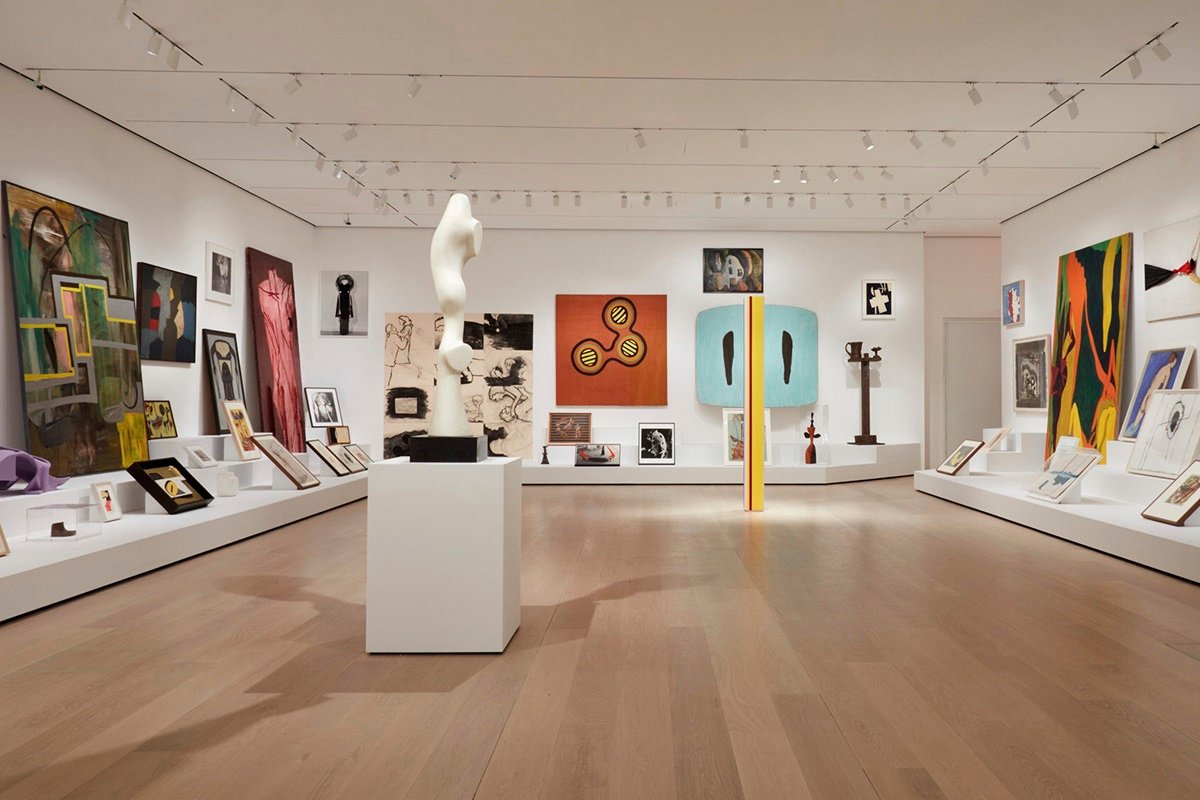
The Museum of Modern Art (MoMA) is located at 11 W 53rd St, New York, NY 10019, a mere one-minute walk from the E or M subway lines at 5Ave-53St station. Situated in the bustling heart of Midtown Manhattan, MoMA serves as a pivotal institution for understanding the trajectory of modern art. Its architecture, a blend of glass, steel, and warm wood, creates a serene interior that contrasts with the vibrant city outside, inviting visitors into a space dedicated to artistic contemplation.
Founding Vision: Three Women Patrons in 1929
MoMA was established in 1929, amidst the economic turmoil of the Great Depression. It was the ambitious brainchild of three progressive women patrons: Lillie P. Bliss, Mary Quinn Sullivan, and Abby Aldrich Rockefeller. Their mission was revolutionary: to introduce the then-unfamiliar European avant-garde to American audiences and to champion the value of modern art. Over nearly a century, MoMA has evolved beyond a mere repository of art, actively shaping the discourse and definition of modern art globally.
Architectural Evolution and the 2019 Reopening
The museum's architecture is a testament to modern design principles, utilizing natural light to enhance the viewing experience. The expansive spaces and strategic windows offer glimpses of the New York City skyline, underscoring the museum's organic connection to its urban environment. In 2019, MoMA underwent a significant expansion and reopening, transforming into a more flexible and open space. This renovation respected the building's architectural heritage while adding new galleries and visitor amenities, ensuring a more immersive and comfortable experience.
A Vast Collection Spanning Modern Art
MoMA boasts an extensive collection of over 200,000 works, encompassing painting, sculpture, drawing, print, photography, architecture and design, film, and media art. This vast array provides a comprehensive overview of modern art's diverse spectrum, from early 20th-century modernism to contemporary works. The collection is meticulously organized, allowing visitors to trace the evolution of artistic movements and ideas.
Highlights: The Fifth and Fourth Floors
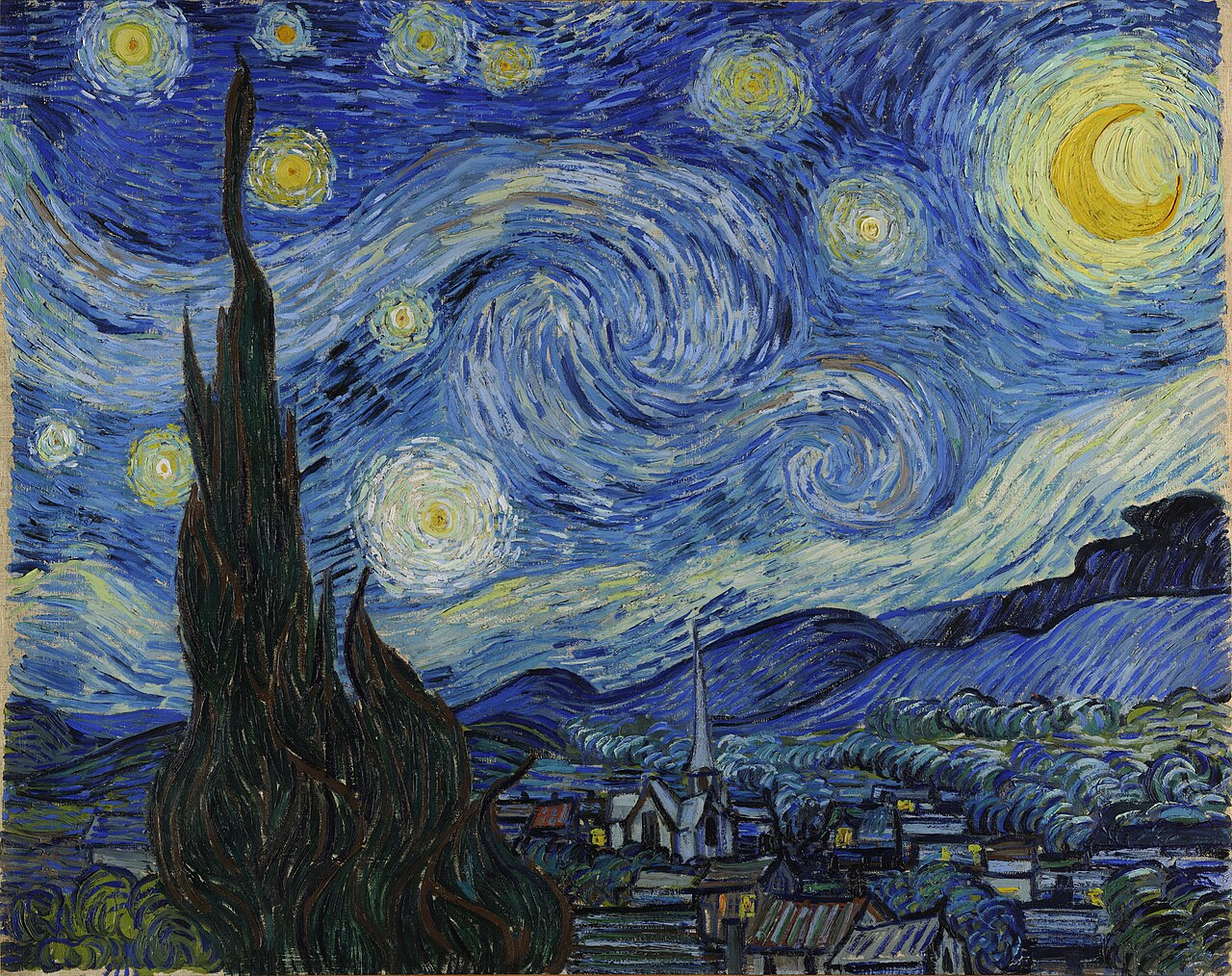
The fifth and fourth floors are central to MoMA's collection, primarily featuring iconic paintings and sculptures. These floors house masterpieces by artists such as Vincent van Gogh, Pablo Picasso, and Henri Matisse. The gallery layout is designed to guide visitors through a chronological and thematic narrative, offering a clear understanding of modernism's development. Key works include Van Gogh's 'The Starry Night', Picasso's 'Les Demoiselles d'Avignon', Andy Warhol's 'Campbell's Soup Cans', and Salvador Dalí's 'The Persistence of Memory'.
Masterpieces on Display
Vincent van Gogh's 'The Starry Night' captivates with its swirling brushstrokes and the dramatic cypress tree, conveying an intense emotional depth. Pablo Picasso's 'Les Demoiselles d'Avignon' marks a pivotal moment in art history, heralding Cubism with its revolutionary depiction of the female nude. Andy Warhol's 'Campbell's Soup Cans' series symbolizes Pop Art's embrace of everyday objects, reflecting on mass production and consumer culture. Salvador Dalí's 'The Persistence of Memory' challenges perceptions of time and reality through its surreal melting clocks, showcasing the artist's boundless imagination.
Visitor Information and Tips
- Admission: $30 for adults, free for visitors 16 and under. On Fridays after 4 PM, admission is pay-what-you-wish. Online ticket purchase is recommended to save time.
- Hours: Open daily from 10:30 AM to 5:30 PM. On Saturdays, the museum extends its hours until 7:00 PM. Visitors are advised to check the official website for the most current operating hours.
- Location & Transport: MoMA is located at 11 W 53rd St, New York, NY 10019. It is a 1-minute walk from the E or M subway lines at 5Ave-53St station.
- Viewing Time: Allow approximately 2 hours for highlights and 4 hours for a comprehensive visit.
- Strategy: To avoid crowds, consider visiting right after opening and heading directly to the 5th floor to see major works by Picasso and Matisse. Utilize the Friday 4 PM pay-what-you-wish option for a budget-friendly visit.
- Nearby Attractions: MoMA is surrounded by numerous dining options in Midtown. The museum itself houses 'The Modern', a Michelin-starred restaurant, and 'Terrace 5', a casual cafe. Rockefeller Center, Times Square, and Broadway theaters are all within walking distance, offering a rich cultural experience.
Visitor Info
| Admission | Translating |
| Hours | Translating |
| Location | 11 W 53rd St, New York, NY 10019 |
| Getting There | Translating |
| Estimated Visit | Translating |
| Tips | Translating |
Featured Works
Vincent van Gogh
The Starry Night
반 고흐의 가장 유명한 작품으로, 생레미 드 프로방스 정신병원에서 바라본 밤하늘을 그렸습니다. 소용돌이치는 별과 달, 사이프러스 나무의 역동적인 붓질은 내면의 격정과 우주의 신비를 동시에 표현합니다. 후기 인상주의의 최고 걸작으로, 뉴욕 현대미술관(MoMA)의 가장 상징적인 소장품입니다.

Pablo Picasso
Les Demoiselles d'Avignon
피카소가 입체주의(Cubism)를 향한 혁명적 첫걸음으로 그린 작품입니다. 다섯 명의 여인을 기하학적으로 해체하여 표현했으며, 아프리카 가면에서 영감 받은 얼굴이 특징입니다. 르네상스 이래 서양 회화의 전통적 원근법과 인체 표현을 완전히 뒤엎은 이 작품은 20세기 현대미술의 출발점으로 평가됩니다.

Salvador Dalí
The Persistence of Memory
살바도르 달리의 초현실주의 대표작으로, 녹아내리는 시계들이 황량한 풍경에 놓여 있는 장면을 그렸습니다. 시간의 상대성과 무의식의 세계를 탐구하는 이 작품은 "연한 시계"라는 별칭으로도 유명합니다. 24×33cm의 작은 크기에도 불구하고 20세기 가장 많이 인식되는 이미지 중 하나가 되었으며, MoMA의 핵심 소장품입니다.