Oasis of Light in the Desert: Louvre Abu Dhabi, A Poignant Crossroads of Civilizations
Oasis of Light in the Desert: Louvre Abu Dhabi, A Poignant Crossroads of Civilizations
Saadiyat Island: Abu Dhabi's Cultural Hub
Saadiyat Island in Abu Dhabi, UAE, serves as a pivotal district embodying the city's cultural vision. Accessible from downtown Abu Dhabi by taxi or bus, this island hosts a concentration of world-class cultural institutions, including the Louvre Abu Dhabi, the forthcoming Guggenheim Abu Dhabi, and the Natural History Museum Abu Dhabi. Saadiyat Island aims to provide a comprehensive platform for learning and experience, encompassing both arts and natural sciences.
Louvre Abu Dhabi: An Oasis of Light on the Coast
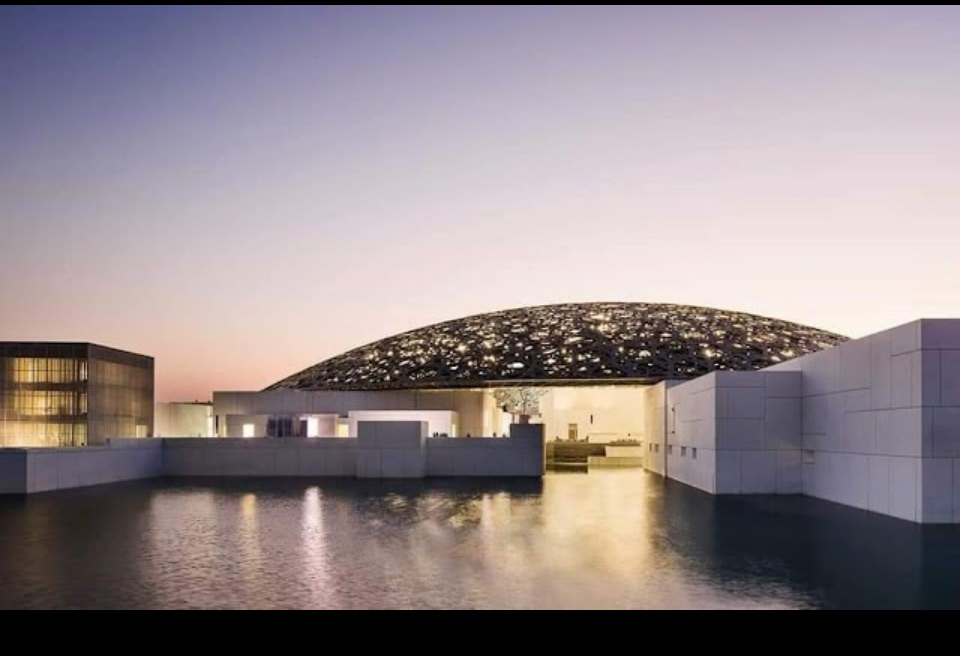
Located at GC44+GW3 - Al Reem Island - SDN1 - Abu Dhabi, the Louvre Abu Dhabi is situated along the Saadiyat Island coastline. Its architecture creates an illusion of floating on water, harmonizing organically with its surroundings. The museum's design, featuring waterways directly connected to the sea, presents a striking contrast to Abu Dhabi's characteristic desert landscape.
Designed by French architect Jean Nouvel, the museum's most distinctive feature is its massive dome roof. This dome, with its intricate geometric patterns inspired by Islamic architectural traditions, filters sunlight to create a mesmerizing 'rain of light' within the museum. This effect, reminiscent of sunlight filtering through palm fronds, bathes the interior in an ethereal glow, fostering a tranquil and contemplative atmosphere.
A Collection Bridging Civilizations
The Louvre Abu Dhabi's collection focuses on exploring universal human narratives. It presents artworks from diverse civilizations, ranging from ancient artifacts to contemporary art, displayed in thematic dialogues that transcend cultural boundaries. This curatorial approach highlights the common threads and rich diversity of human civilization, fostering cultural exchange and understanding. The collection is a result of collaboration between the Louvre Museum in Paris and Abu Dhabi.
The museum's interior spaces, comprising various galleries, are interconnected beneath the dome. The visitor flow is designed to be seamless, allowing for a chronological and thematic journey through human history and artistic expression. The interplay of architecture and art creates an integrated cultural experience, inviting visitors to reflect on humanity's interconnectedness.
Future Visions: Guggenheim and Natural History Museums
Saadiyat Island is also the site for two major upcoming institutions: the Guggenheim Abu Dhabi and the Natural History Museum Abu Dhabi. The Guggenheim, designed by Frank Gehry, is slated for a 2026 opening. It promises a dynamic, block-like architectural structure that will house a global collection of modern and contemporary art, with a particular focus on art from the Middle East, Asia, and Africa. This museum aims to be a hub for global cultural dialogue, challenging Western-centric narratives in art.
The Natural History Museum Abu Dhabi, expected to open in 2025, will explore the wonders of the natural world, from the origins of life to the vast diversity of species. Key exhibits are anticipated to include the Tyrannosaurus Rex fossil 'Sue' and the rare 'Murchison Meteorite.' The museum will also highlight the unique natural environment and biodiversity of the Arabian Peninsula, serving as a vital educational and research institution.
Visitor Information for Louvre Abu Dhabi
Admission to the Louvre Abu Dhabi is 63 AED for adults, with free entry for visitors under 13. Online advance booking is recommended, especially on weekends and holidays. The museum operates from Tuesday to Sunday, 10:00 AM to 6:30 PM, with extended hours until 8:30 PM on Fridays, Saturdays, and Sundays. It is closed on Mondays. Last gallery entry is 30 minutes before closing. Operating hours may vary during public holidays or Ramadan, so checking the official website before visiting is advisable.
Transportation from downtown Abu Dhabi is most convenient by taxi or ride-hailing apps like Bolt or Careem. Bus services are available but may have longer intervals. The museum offers ample parking. Inside, visitors can find dining options such as Fouquet's Abu Dhabi and the Museum Cafe. A visit typically takes 2-3 hours, but a more comprehensive experience can extend to a full day.
Information for Guggenheim and Natural History Museums
Both the Guggenheim Abu Dhabi and the Natural History Museum Abu Dhabi are currently under construction and not open to the public. The Natural History Museum is projected to open in 2025, and the Guggenheim Abu Dhabi in 2026. Opening dates are subject to change, and visitors should consult the official websites for the latest information. Both museums are located within the Saadiyat Island Cultural District, making it possible to plan a combined itinerary with the Louvre Abu Dhabi once they open. Advance booking is likely to be essential upon their opening, and integrated transportation services within Saadiyat Island may also be available.
Visitor Info
| Estimated Visit | Translating |
| Translating | Translating |
| Recommended Route | Translating |