From Fukuoka to Beppu: Kyushu's Twin Journey of Onsen and Art
From Fukuoka to Beppu: Kyushu's Twin Journey of Onsen and Art
Kyushu Art Trip: From Fukuoka to Beppu
This expedition log details a journey through Kyushu, from the vibrant city of Fukuoka to the onsen town of Beppu, focusing on the Fukuoka Asian Art Museum and the Oita Prefectural Art Museum (OPAM). The recommended 4-night, 5-day itinerary allocates two nights in Fukuoka and two in Beppu, combining art museum visits with unique local experiences.
Fukuoka Asian Art Museum: A Hub for Contemporary Asian Art
The Fukuoka Asian Art Museum (FAAM) is located on the 7th and 8th floors of the Hakata Riverain complex in Fukuoka. Opened in 1999, it stands as the world's only museum dedicated exclusively to contemporary Asian art. The museum's strategic location, directly connected to Nakasu-Kawabata Subway Station, ensures excellent accessibility for visitors.
FAAM's collection comprises approximately 2,900 works, showcasing the diverse and dynamic artistic expressions from Southeast Asia, East Asia, and South Asia. The museum actively engages with artists through residency programs and workshops, fostering a 'living' environment where art is created and shared with the local community. Its exhibitions, both permanent and special, offer a comprehensive overview of contemporary Asian art, encouraging visitors to broaden their perspectives on the continent's rich cultural landscape.
Oita Prefectural Art Museum (OPAM): Shigeru Ban's Architectural Masterpiece
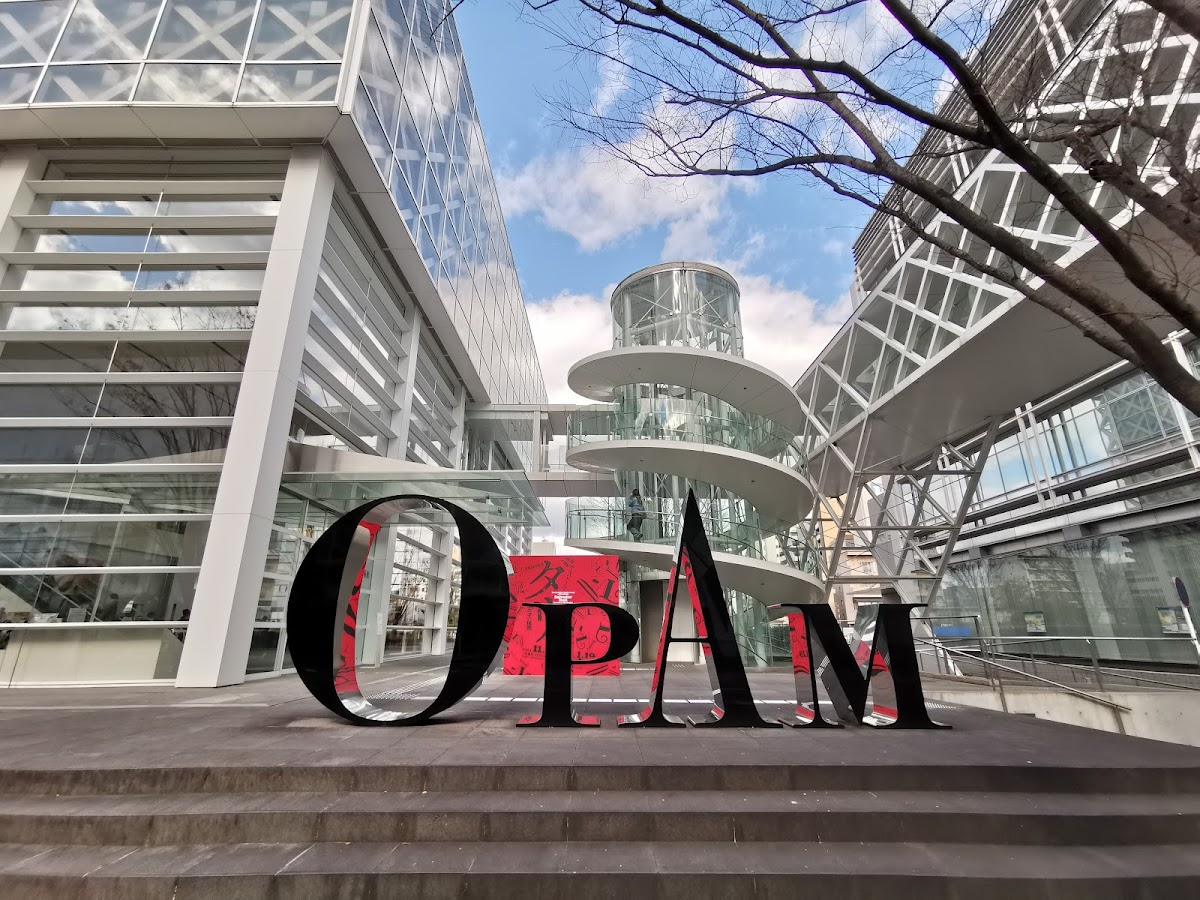
Moving from Fukuoka, the Oita Prefectural Art Museum (OPAM) in Oita City presents a striking architectural presence. Designed by the renowned architect Shigeru Ban and opened on August 22, 2015, OPAM is conceived as a cultural hub for preserving and developing local art while fostering international exchange. It is conveniently located a 15-minute walk from JR Oita Station.
Ban's design for OPAM emphasizes transparency and fluidity, with a distinctive facade inspired by traditional bamboo blinds. This design allows natural light and air to permeate the interior, blurring the lines between indoor and outdoor spaces. The museum's flexible exhibition areas, featuring movable walls and retractable glass doors, adapt to various scales and types of exhibitions. Natural light from the ceiling illuminates artworks, creating a dynamic interplay between architecture and art. OPAM's collection spans Oita Prefecture's natural environment, history, and contemporary art, offering a multi-layered exhibition experience.
Connecting Art and Onsen: The Kyushu Journey
This art trip seamlessly connects Fukuoka's urban energy with Oita's nature-integrated art spaces. After experiencing FAAM, travelers proceed to Oita to explore OPAM's architectural beauty and art. The journey then extends to Beppu, famous for its hot springs, where visitors can enjoy onsen relaxation, local art projects, and the unique 'Hells of Beppu' tour. This itinerary provides a rich experience, organically linking urban art, natural beauty, and Kyushu's distinctive onsen culture.
Visitor Information
- Fukuoka Asian Art Museum: Admission for permanent exhibitions is 200 yen for adults (high school students and younger free). Open Tuesday-Saturday 10:00-20:00, Sunday/Holidays 10:00-18:00. Closed Mondays. Located directly connected to Nakasu-Kawabata Subway Station Exit 6.
- Oita Prefectural Art Museum (OPAM): Admission for permanent exhibitions is 300 yen for adults (special exhibitions vary). Open Tuesday-Sunday 10:00-19:00 (Friday/Saturday until 20:00). Closed Mondays. A 15-minute walk from JR Oita Station.
Visitor Info
| Estimated Visit | Translating |
| Translating | Translating |
| Translating | Translating |
| Recommended Route | Translating |