Munich, The Heart of Art Painted by Time's Brush: A Pilgrimage Through the Three Pinakotheks
Munich, The Heart of Art Painted by Time's Brush: A Pilgrimage Through the Three Pinakotheks
Munich's Kunstareal: A Central Hub for European Art
Located at Barer Str. 27, 80333 Munich, Germany, the Kunstareal (Art District) is a prominent cultural complex in Bavaria's capital. This district, established from the 19th century, now stands as one of Europe's leading cultural clusters, encompassing art from antiquity to the modern era. Within this area, three major art museums – the Alte Pinakothek, Neue Pinakothek, and Pinakothek der Moderne – are situated within easy walking distance, collectively offering a comprehensive journey through 700 years of Western art history.
Alte Pinakothek: Old Masters from the 14th to 18th Centuries
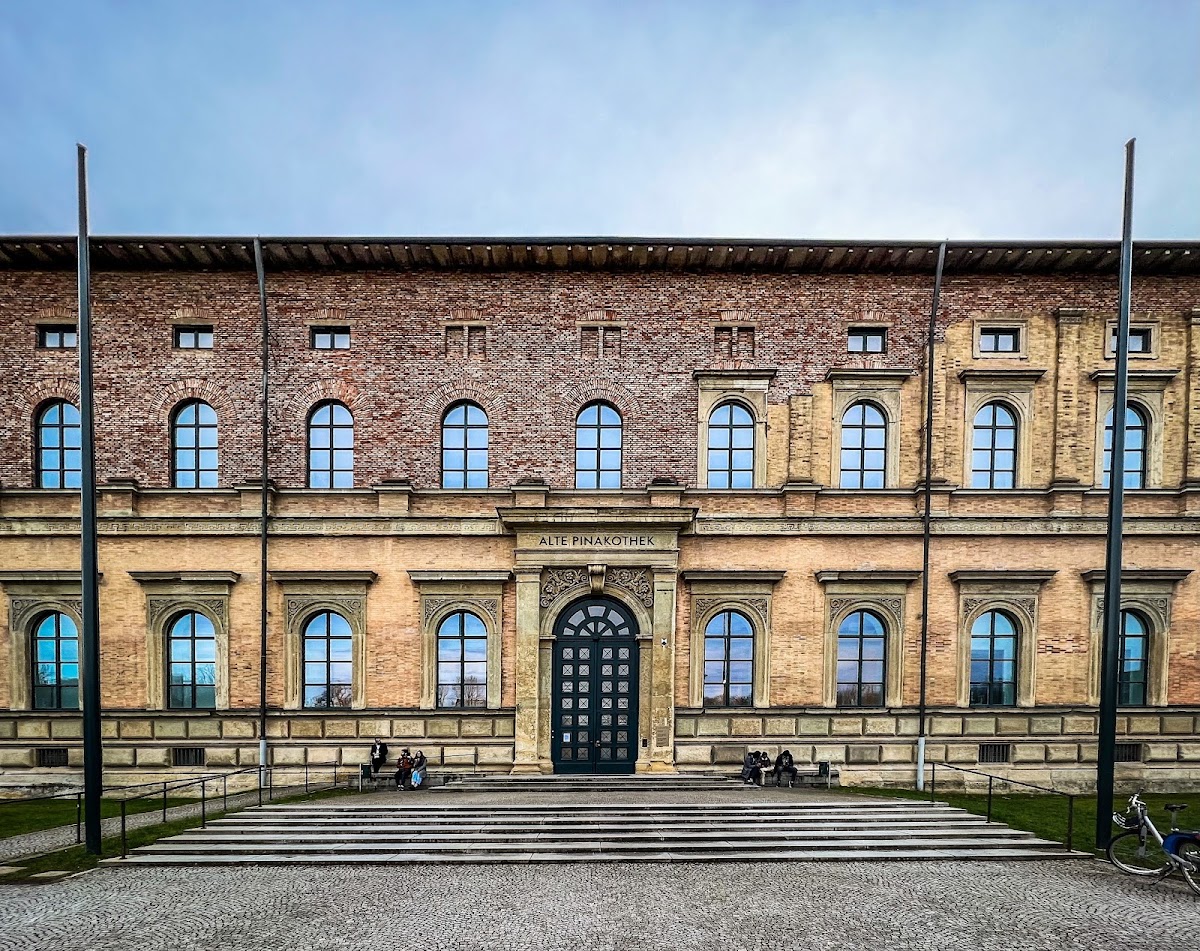
The Alte Pinakothek, meaning 'Old Picture Gallery,' is the starting point of this art pilgrimage. Completed in 1836 under King Ludwig I of Bavaria and designed by Leo von Klenze, its neoclassical architecture evokes ancient Greek temples. The museum maximizes natural light, enhancing the viewing experience of masterpieces by European masters from the 14th to 18th centuries. Its collection includes works by Albrecht Dürer, Raphael, Leonardo da Vinci, Rembrandt, Peter Paul Rubens, and El Greco. Notable pieces include Rubens' 'The Last Judgment' and Raphael's 'Madonna Tempi'. The museum's layout guides visitors through a chronological and regional exploration of art history, with an estimated visit time of 2-3 hours.
Neue Pinakothek: 19th-Century Art and Its Transformation
The Neue Pinakothek, or 'New Picture Gallery,' focuses on the tumultuous period of modern art from the late 18th to the early 20th century, covering Romanticism, Impressionism, and Symbolism. It was established in 1853 to house more contemporary works. However, as of June 2026, the Neue Pinakothek is closed indefinitely for extensive renovations. Its collection, which previously included iconic works like Vincent van Gogh's 'Sunflowers' and Francisco Goya's 'Slaughtered Fowl,' is currently inaccessible. Visitors are advised to check the official website for reopening schedules.
Pinakothek der Moderne: A Nexus of 20th and 21st Century Creativity
The final stop is the Pinakothek der Moderne, a vast complex dedicated to the diversity of modern and contemporary art, design, architecture, and graphic arts. Opened in 2002, this museum integrates four distinct institutions under one roof. Its open, contemporary architecture provides ample space for a wide array of artistic expressions. The collection features works by Pablo Picasso, Wassily Kandinsky, and Joseph Beuys, alongside groundbreaking designs from the Bauhaus movement and contemporary industrial design. This multidisciplinary approach highlights art's connection to daily life and its evolving boundaries.
Visitor Information and Recommended Itinerary
The recommended itinerary for exploring the three Pinakotheks is to start with the Alte Pinakothek, proceed to the Neue Pinakothek (for external viewing due to closure), and conclude with the Pinakothek der Moderne. All museums are within a 5-10 minute walk of each other in the Kunstareal. A comprehensive visit is estimated to take 7-8 hours. Admission to the Alte Pinakothek is €7 for adults (€1 on Sundays), and the Pinakothek der Moderne is €12 (€1 on Sundays), with free entry for those under 18. The Alte Pinakothek is open Tuesday and Wednesday from 10:00-20:00, and Thursday to Sunday from 10:00-18:00, closed on Mondays. The Pinakothek der Moderne follows similar hours. For transportation to the Alte Pinakothek, the U2 Theresienstraße station is approximately a 5-minute walk. For the Pinakothek der Moderne, visitors should consult the official website. Utilizing museum cards or planning a Sunday visit can offer cost savings.
Visitor Info
| Estimated Visit | Translating |
| Translating | Translating |
| Recommended Route | Translating |