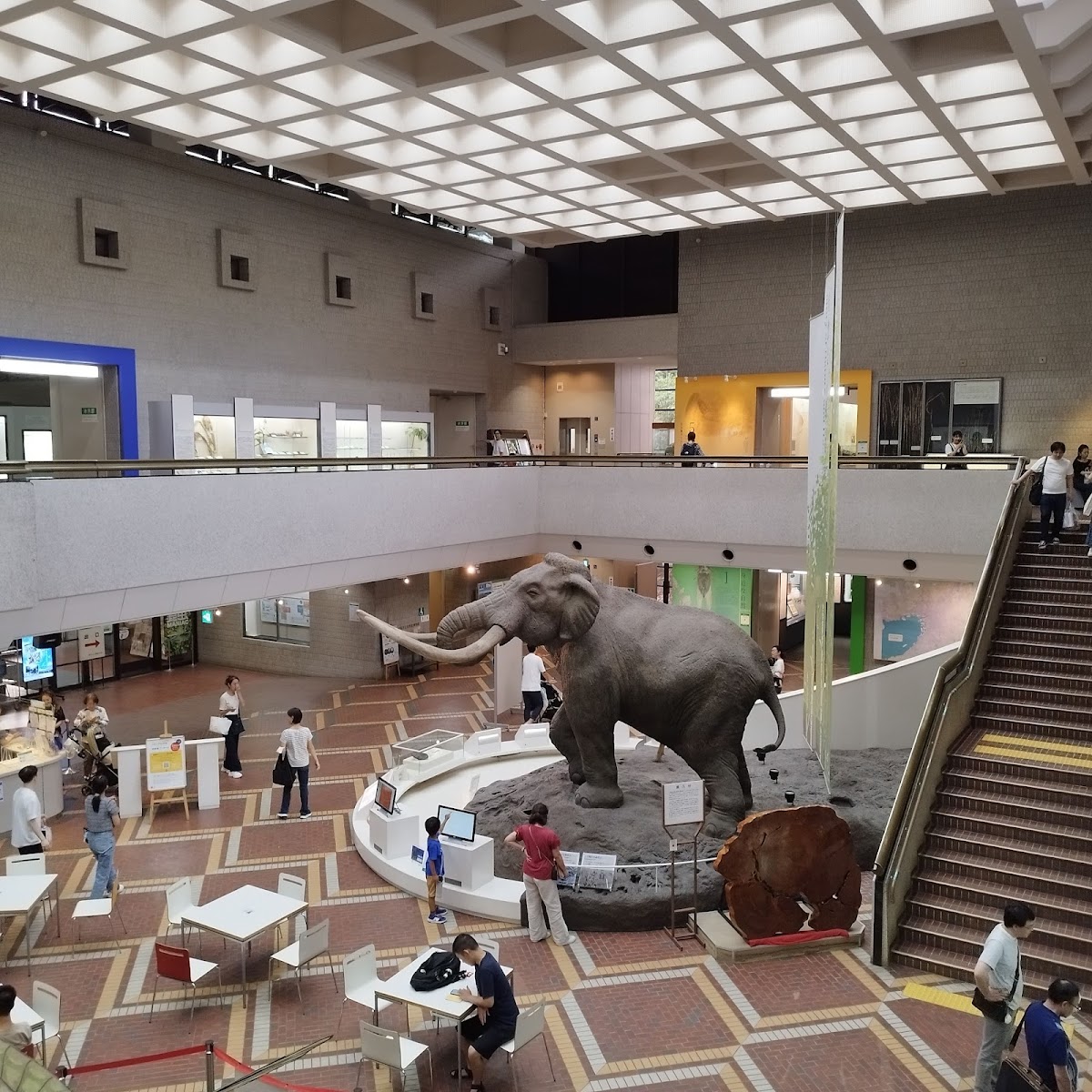
From Dinosaurs to Insects, Nature's Wonders
From Dinosaurs to Insects, Nature's Wonders
Osaka Museum of Natural History: A Gateway to Nature in Nagai Park
The Osaka Museum of Natural History is situated within Nagai Park, a vast green space in the southeastern part of Osaka City. The park, spanning approximately 800,000 square meters, serves as a comprehensive recreational and cultural hub, featuring an athletic stadium, botanical garden, and library. The museum's location within this tranquil setting offers an ideal escape from urban bustle, inviting visitors to explore and reflect on the natural world.
Extensive Collections and Educational Mission
Dedicated to showcasing the rich biodiversity and geological history of the Osaka region and Japan, the museum houses extensive collections including fossils, minerals, and specimens of flora and fauna. These exhibits provide a comprehensive overview of natural evolution and ecological systems. The museum actively functions as a vital center for research and public education, fostering a deeper understanding of the natural world and promoting conservation awareness.
Highlights: Dinosaurs, Evolution, and Insects
Upon entering, visitors are greeted by the impressive Dinosaur Hall, where towering skeletons, including a majestic Tyrannosaurus Rex, are dynamically displayed, bringing ancient Earth to life. The journey continues through exhibits detailing Earth's formation, the evolution of life from marine organisms to terrestrial species, and the diverse ecosystems of Japan. A significant highlight is the insect collection, boasting over 500,000 specimens, which offers a fascinating glimpse into the intricate beauty and survival strategies of the insect world.
Focus on Regional Nature and Conservation
The museum places a strong emphasis on the natural history of the Japanese archipelago, particularly the geological features and ecosystems of the Osaka area. This regional focus helps visitors connect with their immediate environment and understand the importance of local biodiversity. Beyond historical displays, the museum addresses contemporary environmental challenges, advocating for conservation and highlighting humanity's role in preserving the planet for future generations.
Visitor Information
The Osaka Museum of Natural History is open from Tuesday to Sunday, 9:30 AM to 4:30 PM, with last admission at 4:00 PM. It is closed on Mondays and during the year-end/New Year holidays (December 28 to January 4). Admission is 300 JPY for adults, 200 JPY for university students, and free for high school students and younger. The museum is conveniently accessible via public transport, located approximately a 5-minute walk from Nagai Station on the Midosuji Subway Line or the JR Hanwa Line. A visit typically takes 1.5 to 2 hours, offering a profound and educational experience for all ages.
Visitor Info
| Location | 大阪市東住吉区長居公園1-23 |
| Hours | 09:30 - 17:00 (Mon closed) |
| Admission | ¥300 |
| Collection | Translating |
| Estimated Visit | 1.5-2hr |