Legacies of the Gilded Age: America's Tycoons and Their Ultimate Chambers of Art
The Gilded Age: A Brilliant Artistic Legacy Forged by Desire
From the late 19th to the early 20th century, America was in its 'Gilded Age,' experiencing unprecedented economic prosperity. Titans like steel magnate Andrew Carnegie, financial giant J.P. Morgan, and coal and steel magnate Henry Clay Frick emerged on the historical stage, riding the wave of the Industrial Revolution. Beyond merely accumulating wealth, they defined their era with a burning passion for art collection, much like the old European aristocracy. Their immense fortunes were transformed not merely into ostentation, but into a sublime mission to gather humanity's most beautiful and noble creations. Today, traversing New York and Pittsburgh, we can explore the 'chambers of art' left by these great collectors, experiencing their spirit and era firsthand.
They amassed art according to their individual tastes and perspectives, and the result was more than just museums; it became a vast artistic legacy imbued with their lives and philosophies. This legacy, spanning centuries, poses a question to us: How does wealth meet art to gain permanence? And how can one individual's profound love for art become a universal asset for all humanity?
Carnegie Museum of Art: A Grand Ark of Knowledge and Art
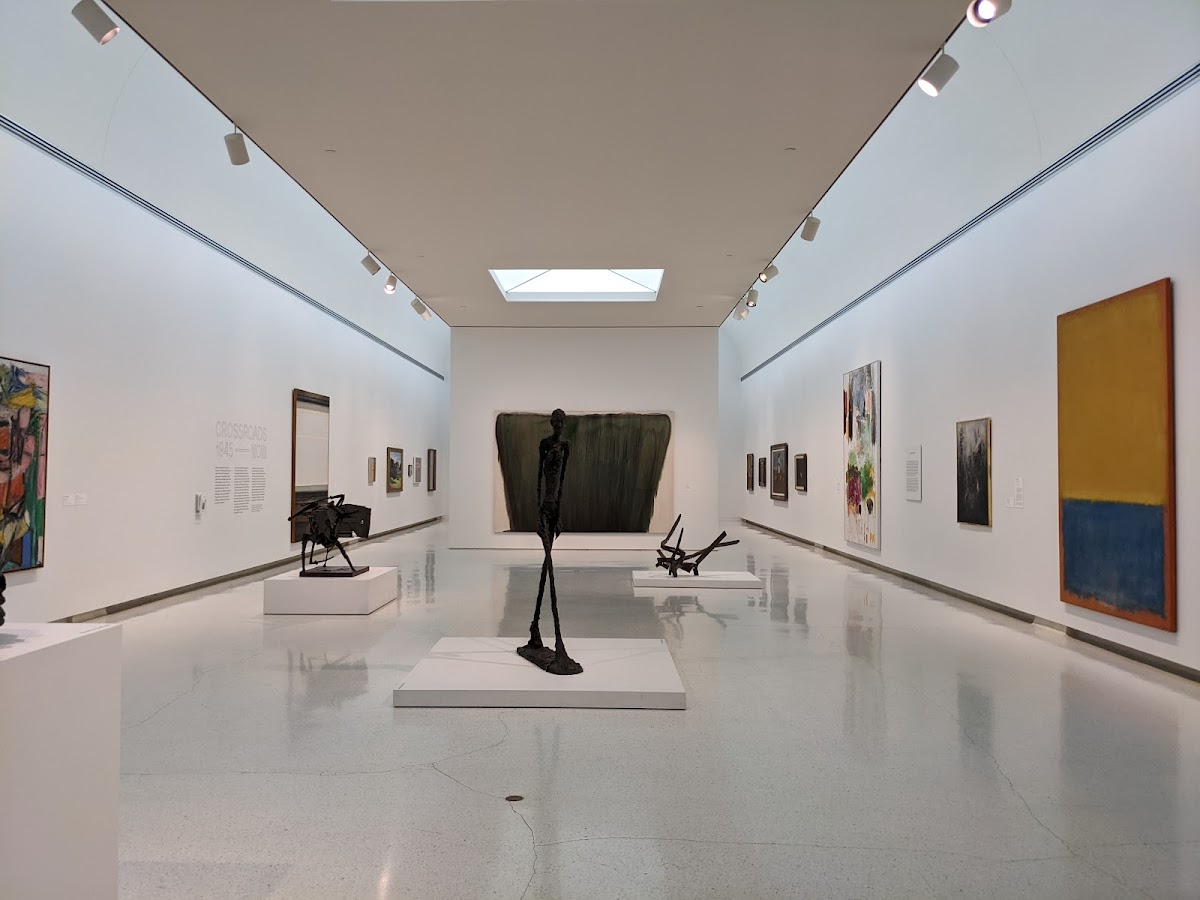
Pittsburgh was the heart of American industrialization, and it is here that the Carnegie Museum of Art, embodying Andrew Carnegie's spirit, stands. A Scottish immigrant who built a success story from nothing, Carnegie was a unique individual who believed that 'it is harder to spend wealth wisely than to accumulate it.' He devoted himself to returning his fortune to the public good, particularly in promoting education and culture. The Carnegie Museum of Art is the very essence of his philanthropic philosophy.
Upon entering the museum, one is breathless at its colossal scale and overwhelming collection. From ancient Egyptian artifacts to paintings by Impressionist masters and contemporary art, Carnegie's vision of 'knowledge and beauty for all' resonates throughout the space. His collecting was not confined to a specific era or genre; rather, he strived to encompass the grand achievements of human civilization. Monet's luminous landscapes stand beside serene ancient Greek sculptures, and Roman artifacts harmonize with medieval tapestries. All these elements converge to present visitors with a vast panorama of human art history.
The Carnegie Museum of Art is not merely a repository of artworks. It is a symbol of Carnegie's belief in 'progress through education,' and a living testament to how wealth can be sublimated into lasting cultural value. Every exhibit touched by his hand is a product of human intellect and a trace of the yearning for beauty, leading visitors into humble contemplation.
The Frick Collection: Sublime Aesthetics Born in a Private Space
Located on Fifth Avenue in Manhattan, New York, The Frick Collection is a unique museum where the profound artistic taste of a man named Henry Clay Frick and his living space are perfectly integrated. Frick, Carnegie's business partner and sometimes rival, was a collector no less passionate than Carnegie, but his taste leaned towards a more personal and cohesive beauty. This was originally Frick's mansion, and according to his will, the mansion's furnishings, decorations, and artworks have been preserved in their original arrangement and opened as a museum.
Stepping into The Frick Collection, one feels as though they have traveled through time. Passing through opulent marble halls, one encounters rooms filled with immortal masterpieces by Western art giants like Rembrandt, Velázquez, Goya, Turner, and Vermeer. These works are not museum exhibits behind glass; they are seamlessly integrated into Frick's everyday living space. It's as if Frick has just risen from his seat, momentarily absent from his study, or the sun-drenched courtyard, or the dining room where he enjoyed meals – in every corner, the artworks he cherished quietly glow.
The experience of encountering great masterpieces in the intimate atmosphere of a private residence offers a special quality not found in any other museum. Frick's gaze and emotions embedded in each work, the traces of his life breathing with art in this space, are vividly conveyed. The Frick Collection unequivocally demonstrates how 'an individual's passion for ultimate beauty' can be preserved in its most perfect form.
The Morgan Library & Museum: A Sanctuary of Intellect and Beauty
Nestled in the heart of Midtown Manhattan, The Morgan Library & Museum is a treasure trove where the intellectual fervor and artistic discernment of financial legend J.P. Morgan are concentrated. Through his immense wealth, Morgan meticulously collected rare books, manuscripts, prints, ancient documents, and artworks that European aristocrats had guarded for centuries. His collection comprised not merely items that money could buy, but true treasures possessing both historical value and aesthetic perfection.
The moment one steps into The Morgan Library, one is overwhelmed by its grandeur and tranquility. Built in Renaissance architectural style, the library itself is a work of art. In particular, the Main Library, which Morgan used as his study, is filled with thousands of books stacked three stories high, elaborate decorations, and antique furnishings. This is not merely a study; it is an intellectual sanctuary where knowledge and beauty are in perfect harmony. Works that capture pivotal moments in human cultural history, such as Leonardo da Vinci's sketches, Mozart's original scores, and the Gutenberg Bible, inspire awe.
Morgan built this space believing that his collection was 'for the nation and for humanity.' His library was a place of exchange for the greatest intellectuals of his time and continues to function as a source of research and inspiration today. Here, we can vividly feel Morgan's deep reverence for knowledge and his 'sublime passion' to pass on humanity's most delicate and magnificent intellectual heritage to future generations. Amidst the faint scent of old books and profound silence, one has the special experience of encountering great spirits from the past.
The Artistic Spirit in Wealth, a Timeless Legacy
Andrew Carnegie, Henry Clay Frick, J.P. Morgan. These three magnates possessed distinct personalities and tastes, yet shared one commonality: an absolute passion to collect and preserve humanity's most brilliant artistic and intellectual heritage through their vast wealth. Their 'chambers of art' are not mere displays of luxury goods. They are spaces where the spirits of great individuals who sought to penetrate their era, worship beauty, and convey inspiration to future generations, live and breathe.
Visiting these museums goes beyond merely glimpsing the tastes and discernment of past magnates. It is an experience that leads to deep reflection on how wealth can transform into lasting value beyond mere commodities, and how humanity's yearning for art enriches our lives across time. These 'chambers of art,' scattered across New York and Pittsburgh, constantly remind us of the artistic spirit hidden behind the splendor of America's Gilded Age and the noble promise to preserve human cultural heritage. Their legacy continues to shine brightly for us today, and will forevermore.
Visitor Info
| Duration | 총 3~4Sun (각 미술관 관람 0.5~1Sun) |
| Budget | 미술관 입장료 $20~$30 (각), 교통비 및 식비 별도 |
| Route | 뉴욕 (프릭 컬렉션, 모건 라이브러리) -> 피츠버그 (카네기 미술관) |
