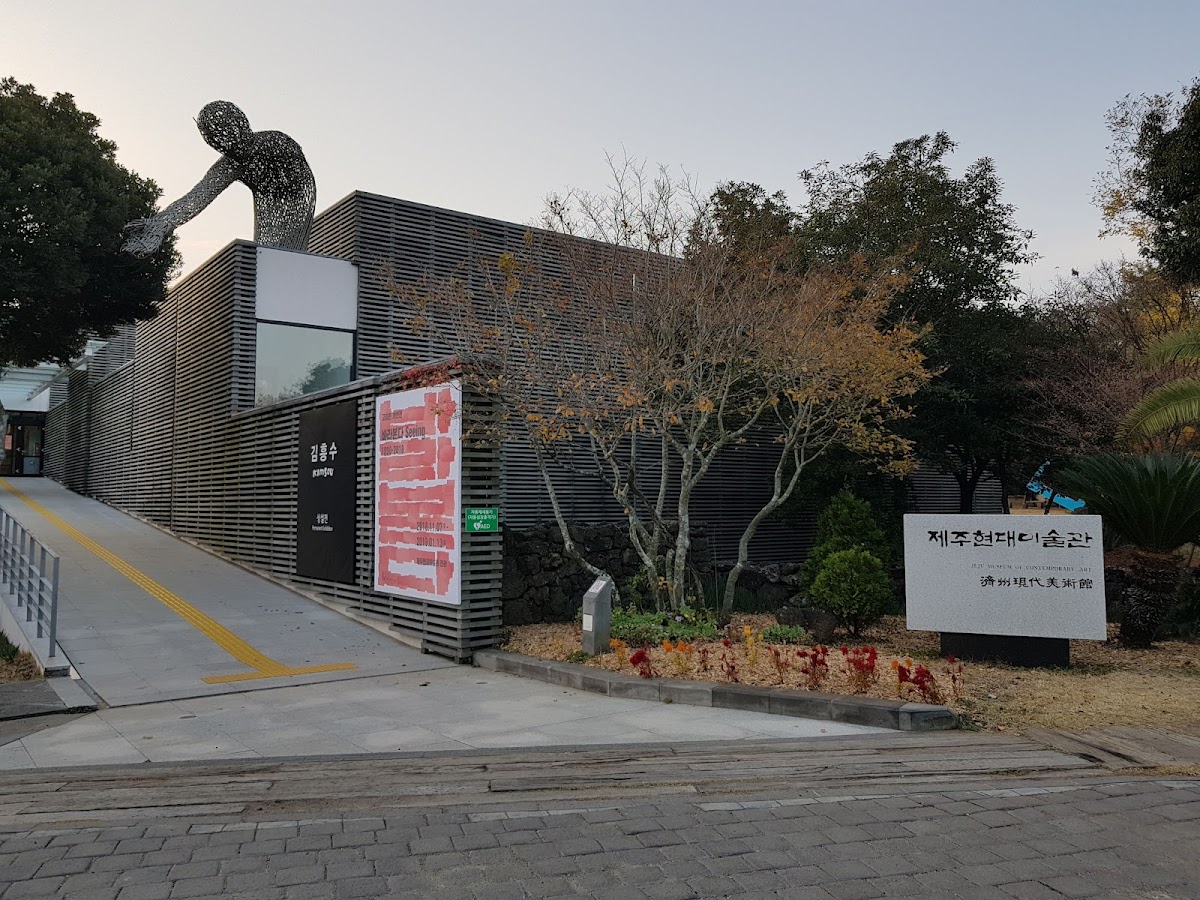
Jeju: Where Nature and Art Dance – An Art Road Trip
Jeju, an island whose very name stirs the heart. The sound of waves crashing against the dark basalt shores, the song of the wind winding through the oreums (volcanic cones), and the serene silence held within its deep green forests. For a long time, Jeju Island has been the epitome of natural wonder. But now, Jeju has transcended mere nature, breathing the spirit of art into its landscapes to offer a new dimension of aesthetic experience. It is a place where the delicate touch of contemporary art is added to the unique colors of Jeju, forged by its harsh winds, brilliant sunshine, and distinctive topography. This special journey is more than just visiting museums; it is an art road trip where one can fully experience how nature and art embrace each other to create new inspiration. On this path, where the raw breath of volcanic Jeju harmonizes with the elegant whispers of art, we will encounter another face of Jeju we never knew existed. Our journey to discover the moments where the story of wind, light, and earth becomes art begins now.
Jeju Museum of Art: Modern Aesthetics Embracing Nature
Our Jeju art road trip began at the Jeju Museum of Art, quietly nestled at the foot of Hallasan Mountain. Away from the bustle of the city, immersed in a peaceful landscape where forest and lake intertwine, it felt like a painting in itself. The museum's exterior, a harmonious blend of Jeju's natural stone and concrete, seamlessly merges with its surroundings, possessing a humble beauty as if it rose from the earth. Before entering, the reflection of the museum in the expansive pond created ever-changing vistas, capturing the constantly shifting sky and clouds. This pond was more than just landscaping; it presented itself as a meditative space crafted by Jeju's water and light.
The interior of the museum was designed to actively draw in Jeju's light. The lush greenery of the forest and the blue sky of Jeju, seen through panoramic windows, organically connected with the artworks inside, becoming a living, breathing backdrop. Walking through sun-drenched corridors, I felt as if I were strolling through a forest. The collection here comprised works by Jeju-born artists and contemporary art inspired by Jeju, allowing for a deep exploration of the island's identity. In front of an installation piece depicting Jeju's rough waves and the lives of its haenyeo (women divers), I found myself in deep contemplation about the nobility of life and the majesty of nature. The contrast between the cool concrete walls and the warm natural light, coupled with the harmony of Jeju's natural resilience and art's delicacy, offered visitors an unforgettable resonance. Leaving the museum, my steps were filled with a profound emotion, as if I had embraced not just the art, but Jeju itself.
Podo Museum: A Space for Contemplation, Embodying the Value of Coexistence
Our next destination was the Podo Museum, imbued with the architectural aesthetics of Tadao Ando. Its roof, reminiscent of a bunch of grapes, was striking, said to be inspired by Jeju's oreum ridges and traditional tiled roofs. The path leading to the museum was quiet and serene, blending with the surrounding pine forest, giving the impression of entering a mystical space. The building's low height and expansive form humbly blended into Jeju's natural landscape without disrupting it.
In contrast to the exterior's tranquility, the museum's interior was filled with contemporary art exhibitions that delivered powerful messages. Works addressing critical questions we face today, such as 'climate change' and 'the coexistence of technology and humanity,' prompted deep thought and reflection. Particularly impressive were the exquisite flow and spatial composition within the exhibition halls. The use of light and shadow accentuated the artworks' messages, and each space, while independent, was organically connected, encouraging visitors to ask questions and seek answers for themselves. Video installations on giant screens, accompanied by the sounds of Jeju's wind and waves, stimulated both sight and sound, maximizing immersion. Standing before one artwork, I recalled the clear, blue sky after Jeju's rain and wind had passed. The questions posed by the museum extended beyond the realm of art, deepening into profound considerations of how we should live within the nature of Jeju. This was not merely a place to view art, but a space for contemplation that made us re-examine ourselves and the world. Leaving the Podo Museum, I gained a new perspective on how Jeju's nature and art soothe and heal human issues.
Yumin Art Nouveau Collection: The Essence of Art Nouveau, Where Light and Glass Dance
The final leg of our Jeju art road trip brought us to the Yumin Art Nouveau Collection, set against the majestic backdrop of Seongsan Ilchulbong (Sunrise Peak). This, too, bears the touch of world-renowned architect Tadao Ando, a space where the harmony of nature and architecture reaches its zenith. Even before reaching the museum's entrance, I was overwhelmed by the open panorama, infused with the spirit of Seongsan Ilchulbong. Following a path through silvergrass fields, I entered the museum as if sinking into the earth, guided by low-lying basalt walls. The design, which restrained external extravagance to focus on internal aesthetics, suggested that this was not merely a building, but an artwork in harmonious communion with Jeju's grand nature.
The museum's interior was filled with masterpieces of French Art Nouveau glasswork from the late 19th to early 20th centuries, by artists like Émile Gallé and Daum Brothers. As delicately controlled light illuminated the glass pieces in the dim interior, the inherent brilliance and color of the glass seemed to come alive, dominating the space. Each glass artwork, inspired by natural flowers, plants, and insects, perfectly captured the graceful curves and vitality characteristic of Art Nouveau. Particularly striking was the moment when, while appreciating a specific glass piece, the view of Seongsan Ilchulbong outside the window was perfectly framed, like a painting. This experience of artificial glass art and Jeju's nature juxtaposed as a single artwork through the window evoked not just admiration, but reverence. In the infinite spectrum created by light meeting glass, and the whispers conveyed by Jeju's wind through the window, I felt firsthand the communion with nature and the delicate beauty that Art Nouveau artisans dreamed of. Yumin Art Nouveau Collection was not merely a place to exhibit old glass; it was a magical space where light, space, and Jeju's nature converged to offer a timeless beauty that transcended time and space. Leaving this place, I realized the infinite loop where art becomes part of nature, and nature, in turn, inspires art.
Conclusion: Jeju, A Land of Inspiration Forged by Nature and Art
The art road trip in Jeju was not merely a journey. It was an expedition to fully experience the breath of Jeju and the deep resonance of art that blossomed within it. Amidst the overwhelming nature — the sunshine pouring over rough volcanic rock, the ceaseless wind, and the vibrant forests and seas — the museums revealed their unique presence in their own ways. From the humble beauty of the Jeju Museum of Art, the deep contemplation offered by Podo Museum, to the brilliant radiance of the Yumin Art Nouveau Collection, all these places were masterpieces painted on the grand canvas of Jeju's nature.
Through this journey, I realized that art is no longer a preserved beauty within an enclosed space, but a living entity that breathes with nature and deeply permeates our lives. Jeju's wind became part of the artworks, Jeju's light breathed life into glass crafts, and Jeju's land served as a humble backdrop for contemporary architecture. A place where the boundaries between nature and art dissolve, where they inspire each other – this was truly an 'Art Island' in every sense. My steps leaving Jeju were filled with an enriched perspective and artistic inspiration deeply etched in my heart. All with an intense desire to once again indulge in the feast of art blossoming within Jeju's nature.
Visitor Info
| Duration | 3Sun간의 여정 |
| Budget | 1인당 약 50만원 (교통, 숙박, 식사, 관람료 포함) |
| Best Season | 봄과 가을 (쾌적한 날씨, 적은 인파) |
| Route | 제주Airport → 제주도립미술관 → 포도뮤지엄 → 유민미술관 (성산Sun출봉 nearby) |