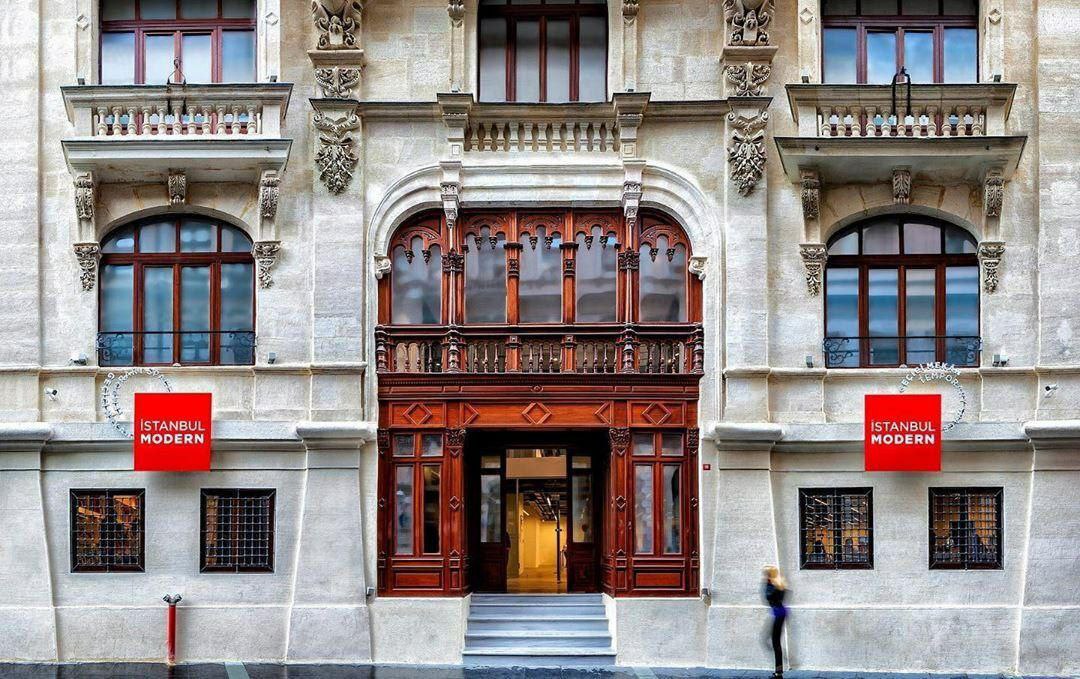
Istanbul: A Millennium's Artistic Crossroads Where East and West Embrace
Istanbul: A Millennium's Artistic Crossroads Where East and West Embrace
Istanbul Modern: A Renzo Piano Masterpiece on the Bosphorus
Istanbul Modern, Turkey's first private museum dedicated to modern and contemporary art, stands as a beacon of artistic expression where East meets West. Located at Kılıçali Paşa, Gümrük Muhafaza Kısım Amirliği No:5, 34433 Beyoğlu/İstanbul, Türkiye, this architectural marvel by Renzo Piano is easily accessible, just a 3-minute walk from the Tophane T1 tram station. Situated directly on the Bosphorus Strait, it offers breathtaking views and embodies Istanbul's unique blend of historical grandeur and contemporary dynamism.
The museum's strategic location in the vibrant Karaköy and Beyoğlu districts places it at the heart of Istanbul's cultural landscape. It reflects the city's evolving art scene within a global context, showcasing Turkish art from the early 20th century to the present, alongside significant international works. Istanbul Modern is not merely a gallery but a vital cultural hub, fostering dialogue through its diverse exhibitions, photography, and educational programs.
Architectural Vision: A Ship of Art by Renzo Piano
Renzo Piano, the acclaimed Italian architect known for iconic structures like the Centre Pompidou and The Shard, designed Istanbul Modern's new building to evoke a ship gracefully sailing on the Bosphorus. Its glass and steel facade mirrors the strait's shimmering waters and the ever-changing sky, creating a harmonious dialogue with its historic surroundings while asserting a distinct modern presence. This design philosophy emphasizes transparency, light, and a deep connection to the natural environment.
Inside, Piano's signature use of natural light and expansive spaces creates an open, inviting atmosphere. High ceilings and large windows frame the Bosphorus as a living artwork, allowing visitors to enjoy panoramic views of ships, distant mosques, and the Istanbul skyline. This integration of the urban landscape with the art within enhances the viewing experience, making the building itself an integral part of the exhibition.
Exhibition Flow and Collections: Turkish Modernism and Global Art
The museum's circulation is thoughtfully designed, with stairs and pathways guiding visitors through flexible exhibition spaces. These areas accommodate a wide range of contemporary art forms, from painting and sculpture to video and installation art. Terraces extend outwards from various floors, offering serene spots for contemplation, where visitors can enjoy the Bosphorus breeze and stunning vistas, further enriching their museum journey.
Istanbul Modern houses a core collection that traces the trajectory of Turkish modern and contemporary art from the early 20th century to today. These permanent displays highlight how Turkish artists engage with their identity and worldview through diverse artistic languages. The museum also regularly hosts temporary exhibitions featuring international contemporary art, connecting Turkish art with global trends and offering a broad spectrum of artistic experiences.
Visitor Information
For those planning a visit to Istanbul Modern, here are some practical details:
- Admission: 120 Turkish Lira for adults. Thursdays offer free admission for Turkish citizens. It is advisable to check the official website for the latest information on ticket prices and special exhibitions.
- Operating Hours:
- Monday: Closed
- Tuesday-Thursday: 10:00 AM - 6:00 PM
- Friday: 10:00 AM - 8:00 PM
- Saturday-Sunday: 10:00 AM - 6:00 PM
- Please verify hours on public holidays.
- Transportation:
- Tram (T1 line): Alight at Tophane station, a 3-minute walk to the museum.
- Bus: Various city bus routes serve the area.
- Ferry: Karaköy ferry terminal is within walking distance, offering a scenic approach via the Bosphorus.
- Taxi/Ride-sharing: Conveniently available throughout Istanbul.
- Recommended Visit Duration: Approximately 2 hours.
- Nearby Dining: The Karaköy district, adjacent to the museum, is rich with cafes, restaurants, and bakeries, specializing in seafood and Turkish breakfast. Galataport Istanbul, part of the same complex, also offers a variety of upscale dining options with Bosphorus views. For local street food, try "balık ekmek" (fish sandwich) or "midye dolma" (stuffed mussels) near Karaköy tram station or Galata Bridge.
Visitor Info
| Estimated Visit | Translating |
| Translating | Translating |
| Recommended Route | Translating |