A London Landmark Where a Power Station Became World-Class Art
A London Landmark Where a Power Station Became World-Class Art
Tate Modern: From Power Station to Global Art Hub
Tate Modern, located on the south bank of the River Thames in London (Bankside, London SE1 9TG), is a world-renowned museum of modern and contemporary art. It occupies the former Bankside Power Station, a colossal brick building designed in 1947 and opened in 1952. After ceasing operations in 1981, the building was transformed by Swiss architects Herzog & de Meuron, reopening as Tate Modern on May 12, 2000.
The architects preserved much of the power station's industrial character, including its iconic chimney and brick facade, creating a unique dialogue between industrial heritage and contemporary art. The museum is easily accessible, a 5-minute walk from Southwark station and a 10-minute walk across the Millennium Bridge from Blackfriars station.
Key Features and Collections
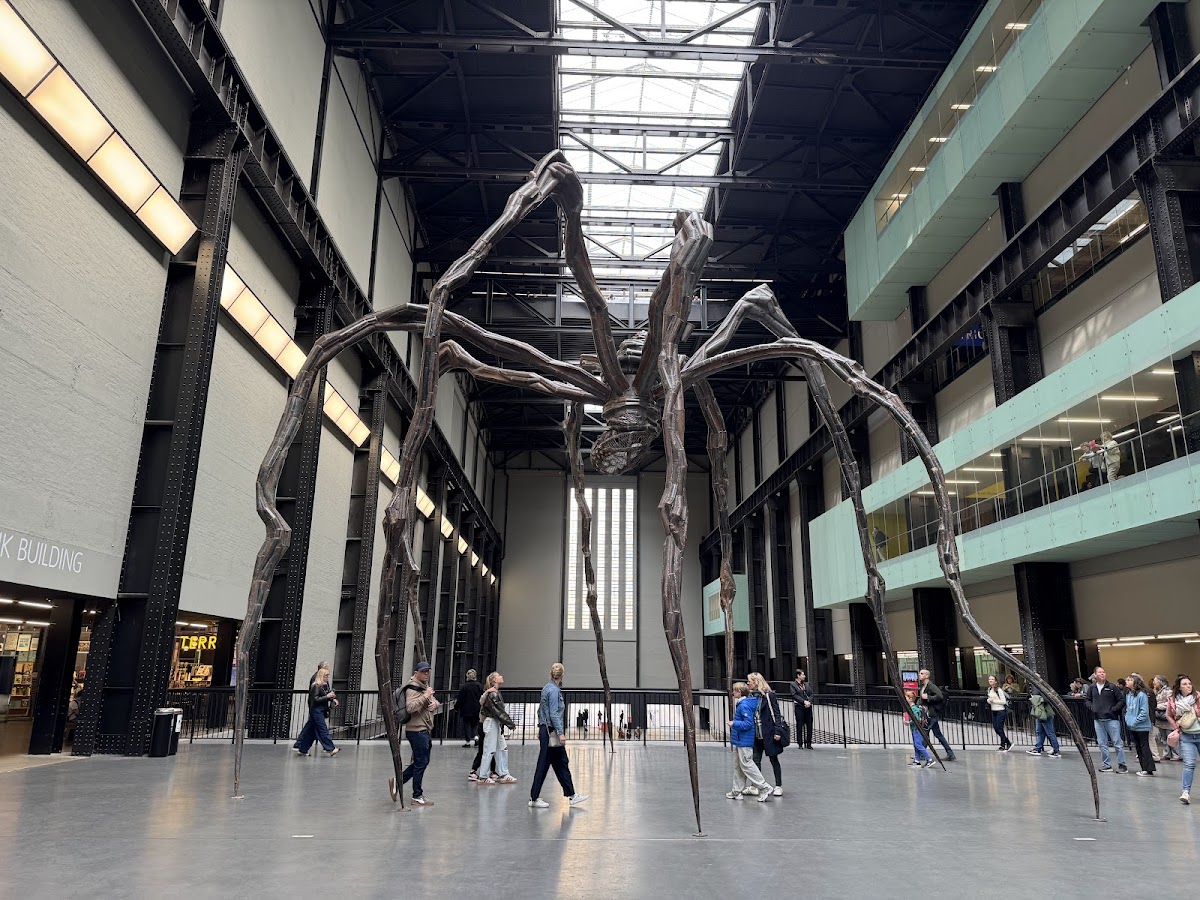
The most striking space is the Turbine Hall, originally housing the power station's massive turbines. This immense 25-meter-high, 152-meter-long space now hosts large-scale installations by leading international artists, offering visitors a powerful and immersive experience. Tate Modern's collection spans international modern and contemporary art from 1900 to the present, featuring works by artists such as Pablo Picasso, Salvador Dalí, and Andy Warhol.
In 2016, the museum expanded with the Blavatnik Building, offering additional exhibition spaces and a free public viewing platform on the 10th floor. This platform provides panoramic views of the London skyline, including St Paul's Cathedral and the Thames. General admission to the permanent collection is free, while special exhibitions are ticketed (approx. £15-25). The museum is open daily from 10:00-18:00, with extended hours until 21:00 on Fridays and Saturdays.
Imperial War Museum: Reflecting on Conflict
The Imperial War Museum (Lambeth Rd, London SE1 6HZ, UK) offers a profound exploration of conflict, focusing on its human impact rather than glorifying war. Established in 1917 during World War I and officially opened in 1920, it documents conflicts involving Britain and the Commonwealth from WWI to the present day. The museum is housed in the former Bethlem Royal Hospital, a historic building near Lambeth North station (5-minute walk).
The museum's extensive collection includes aircraft, tanks, uniforms, and personal testimonies. Notable exhibits include recreated WWI trenches, the 'Blitz Experience' simulating wartime air raids, and the deeply moving Holocaust Galleries. These galleries present personal stories and artifacts, serving as a powerful reminder of the atrocities committed and the importance of remembering history. Admission to the permanent exhibitions is free. It operates daily from 10:00-18:00.
Tate Britain: The Heart of British Art
Tate Britain (45 Atterbury St, London SW1P 4HU, UK), located on Millbank by the Thames, is housed in a beautiful Neoclassical building. It opened in 1897 as the original Tate Gallery, dedicated to British art. The museum offers a comprehensive journey through British art from the 16th century to the present day, accessible via a 5-minute walk from Pimlico station.
Highlights include the world's largest collection of works by J.M.W. Turner, known as the 'painter of light,' featuring masterpieces like 'The Fighting Temeraire.' The museum also boasts significant works by the Pre-Raphaelite Brotherhood, such as John Everett Millais' 'Ophelia,' renowned for its intricate detail and literary narrative. Contemporary British artists like Francis Bacon and David Hockney are also well represented, showcasing the breadth of the nation's artistic heritage. Permanent exhibitions are free to enter, with special exhibitions requiring tickets. It is open daily from 10:00-18:00.
Visiting London's Museums
Most national museums and galleries in London, including the Tate museums and the Imperial War Museum, offer free admission to their permanent collections. This allows visitors to explore a vast array of cultural institutions without cost. Special exhibitions are typically ticketed, and advance booking online is often recommended, especially for popular shows.
Tate Modern's extended opening hours on Fridays and Saturdays (until 21:00) provide an excellent opportunity for evening visits. The free viewing platform on the 10th floor of the Blavatnik Building at Tate Modern offers spectacular city views. Utilizing public transport, such as the Tube, is highly efficient for reaching these sites. The Tate Boat also connects Tate Modern and Tate Britain, offering a scenic journey along the Thames.
Visitor Info
| Admission | Translating |
| Hours | Translating |
| Location | Bankside, London SE1 9TG |
| Getting There | Translating |
| Estimated Visit | Translating |
| Tips | Translating |
Featured Works

Andy Warhol
Marilyn Diptych
앤디 워홀의 상징적 실크스크린 작품으로, 마릴린 먼로의 초상을 50개 반복 배치했습니다. 왼쪽의 화려한 컬러와 오른쪽의 퇴색하는 흑백이 삶과 죽음을 대비시킵니다. 대중문화의 아이콘을 예술로 승화시킨 팝아트의 대표작으로, 먼로 사망 직후 제작되어 유명인의 이미지 소비에 대한 탐구를 담고 있습니다.