Baltimore Museum of Art: Encountering Masterpieces by Matisse, Manet, and Cézanne!
Baltimore Museum of Art: Encountering Masterpieces by Matisse, Manet, and Cézanne!
The Baltimore Museum of Art: A Cultural Landmark by Johns Hopkins University
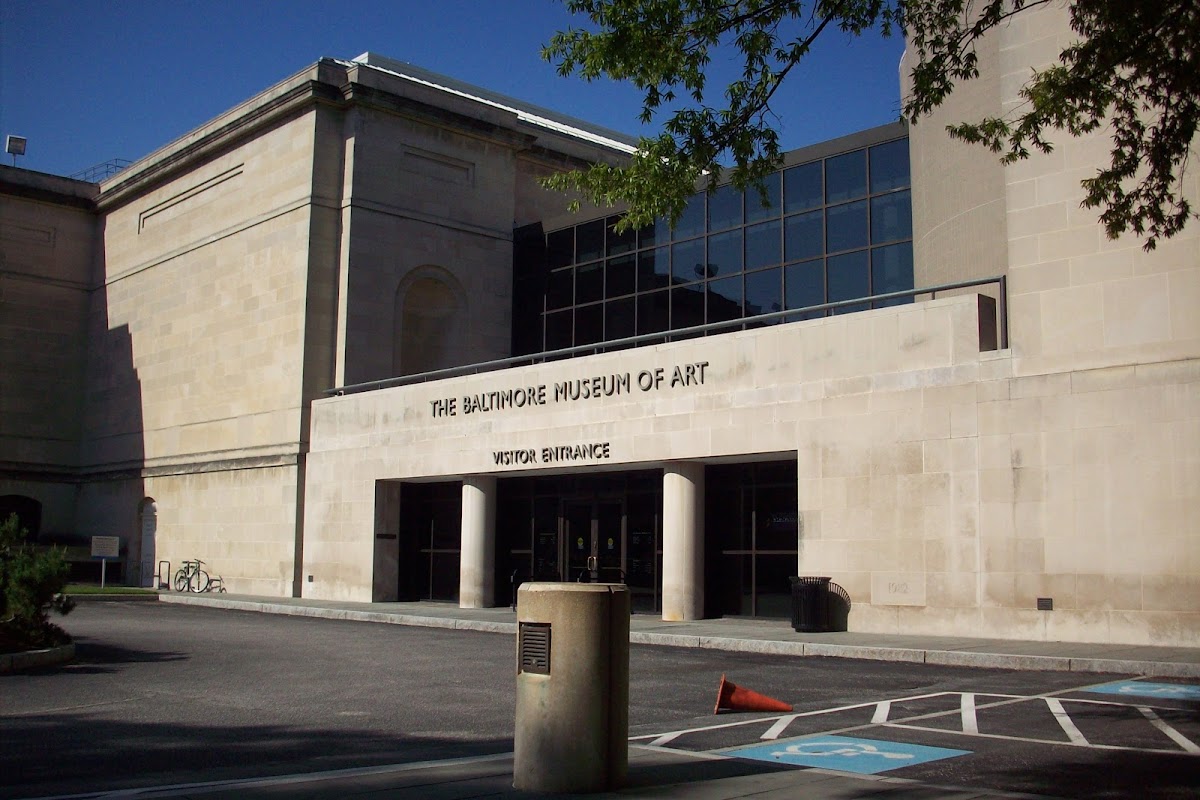
The Baltimore Museum of Art (BMA) is located at 10 Art Museum Dr, Baltimore, MD 21218, USA. Situated adjacent to the Johns Hopkins University campus, the museum contributes to the area's academic and serene atmosphere. It stands as a prominent cultural institution in Baltimore, renowned for its extensive collection spanning diverse periods and cultures.
The museum actively champions works by African American and women artists, underscoring its commitment to a more inclusive art historical narrative. It plays a vital role in the global art community. The BMA operates from Wednesday to Sunday, with Monday and Tuesday closures. A minimum of 2-3 hours is recommended for a comprehensive visit.
Opened in 1929: Neoclassical Architecture
The Baltimore Museum of Art, established in 1929, is housed in a historic building designed by architect Fiske Kimball. Its Neoclassical style features a grand yet dignified facade, characterized by columns and a symmetrical structure that conveys a sense of stability. This architectural design harmonizes with the scholarly environment of the neighboring Johns Hopkins University campus.
The museum's interior, in contrast to its traditional exterior, offers a modern and inviting space, ensuring visitor comfort. The building itself is considered an integral part of the art experience, enriching the appreciation of the artworks displayed within.
The Cone Sisters' Legacy: Over 3,000 Works Donated
At the heart of the BMA's collection lies the extraordinary legacy of sisters Claribel and Etta Cone. Born into a wealthy Baltimore family in the late 19th century, they developed an early fascination with Impressionist, Post-Impressionist, and Fauvist artists, whose works diverged from mainstream art trends of their time. The sisters were not merely collectors but true patrons and friends to these artists.
Etta Cone notably cultivated a direct relationship with Henri Matisse, consistently acquiring his works. Claribel Cone invested in pieces by modern masters such as Pablo Picasso, Paul Cézanne, Vincent van Gogh, Paul Gauguin, and Pierre-Auguste Renoir, even when their art was not yet fully recognized. Their vast collection, amassed over many years, was bequeathed to the Baltimore Museum of Art in 1949, comprising over 3,000 works.
A World-Class Matisse Collection: Over 500 Works
Among the Cone Sisters' donations, over 500 works by Henri Matisse are featured, establishing the Baltimore Museum of Art as a leading institution for Matisse's art globally. The dedicated Matisse gallery evokes the atmosphere of his personal studio, with vibrant colors, bold outlines, and dynamic forms that immediately capture attention.
Matisse's iconic 'Blue Nude (Souvenir de Biskra)' exemplifies his revolutionary approach to form, presenting a sensual yet sculptural female figure against a stark blue background. Other compelling works include 'Reclining Nude,' 'The Yellow Dress,' and various Odalisque series, showcasing his continuous experimentation with color and pattern within recurring themes.
Masterpieces by Modern Art Giants: Manet and Cézanne
Beyond Matisse, the Cone Sisters Collection also includes masterpieces by other giants of modern art, such as Édouard Manet and Paul Cézanne. Manet's 'Café Concert' vividly captures the Parisian entertainment culture of the 19th century, with his characteristic bold brushstrokes and subtle emotional expressions in the figures.
Paul Cézanne, often called the father of modern painting, demonstrates his unique vision and exploration of form. His 'Mont Sainte-Victoire' series, for instance, goes beyond mere representation of nature, delving into the essential structure of objects and reconstructing them into geometric forms. Cézanne's work is notable for its robust forms and delicate color harmonies.
Diverse Collections and Inclusive Narratives
In addition to the Cone Sisters Collection, the BMA houses early works by Pablo Picasso, as well as pieces by Vincent van Gogh, Paul Gauguin, and Pierre-Auguste Renoir, among other modern masters. These artworks collectively offer profound inspiration to visitors, presenting the museum not merely as a display of art but as a living textbook of modern art history.
The museum is particularly recognized for its significant focus on works by African American and women artists. This commitment highlights the BMA's dedication to fostering a more inclusive art historical narrative and its crucial role within the global art community. Its extensive and diverse holdings, spanning various periods and cultures, define the museum's unique character.
Light and Harmony: Architectural Features
The interior layout of the museum guides visitors through a natural flow from the entrance hall to various galleries. A beautiful central courtyard acts as a serene oasis, with natural light streaming through a glass ceiling, illuminating the space and creating a comfortable, relaxed atmosphere for art appreciation. This soft, warm ambiance distinguishes the viewing experience from that under artificial lighting.
Visitors can pause between galleries to observe the green trees and sunlit courtyard through the windows, integrating the natural surroundings into the art experience. The galleries dedicated to the Cone Sisters Collection are designed to be particularly intimate, resembling a private study or drawing-room. Each gallery's lighting and spatial arrangement are meticulously tailored to the characteristics and historical context of the artworks displayed.
Outdoor Sculpture Garden and Visitor Amenities
The outdoor sculpture garden is another notable attraction of the museum. Beautifully landscaped, it features contemporary sculptures harmoniously integrated with nature, offering a distinct experience from the indoor exhibitions. On sunny days, visitors can enjoy a stroll through the garden, appreciating the blend of art and natural scenery.
Throughout the museum, ample benches are provided for visitors to rest and contemplate the artworks at their leisure. The clean and uncluttered spaces allow for focused engagement with the art. These amenities contribute to an enhanced visitor experience.
Art and Life: The Free Admission Policy
Unlike many large contemporary museums that often present an overwhelming scale and grandeur, the Baltimore Museum of Art offers a more intimate and human-scaled experience. Visitors are encouraged to explore the artworks at their own pace, free from pressure. Galleries feature sufficient spacing between works, allowing for extended contemplation and reflection.
A key aspect of the museum's philosophy is its free admission policy for general exhibitions. This reflects the belief that art should be accessible to everyone, not just a select few. As a result, a wide range of people can visit the museum without financial burden, experiencing art and finding personal inspiration. The museum also serves as a community hub, with local residents frequently seen drawing, discussing art, or strolling with families, demonstrating its role as a vibrant cultural center integrated into daily life.
Visitor Information
- Location: 10 Art Museum Dr, Baltimore, MD 21218, USA. Situated next to the Johns Hopkins University campus.
- Operating Hours: Closed on Mondays and Tuesdays. Open Wednesday 10:00 AM - 5:00 PM, Thursday 10:00 AM - 9:00 PM, and Friday to Sunday 10:00 AM - 5:00 PM. Operating hours may vary by season or for special exhibitions; checking the official website for the latest information before visiting is recommended.
- Admission: General exhibitions are free to attend. Special exhibitions may require a separate admission fee.
- Transportation: Easily accessible from downtown Baltimore via city buses #3 and #11. While museum parking is available, it can be crowded during peak hours, so public transportation is a good alternative.
- Recommended Viewing Time: A minimum of 2-3 hours is suggested for a thorough visit.
Visitor Info
| Location | 10 Art Museum Dr, Baltimore, MD 21218, USA |
| Hours | Translating |
| Admission | Translating |
| Getting There | Translating |
| Estimated Visit | Translating |
Featured Works

에두아르 마네 (Édouard Manet)
폴리베르제르의 바 (A Bar at the Folies-Bergère)
마네의 마지막 대작으로, 폴리베르제르 극장의 바텐더를 그린 작품

폴 세잔 (Paul Cézanne)
비베뮈스 채석장에서 본 생트빅투아르 산 (Mont Sainte-Victoire Seen from the Bibémus Quarry)
세잔의 생트빅투아르 산 연작 중 하나

앙리 마티스 (Henri Matisse)
푸른 누드 (비스크라의 추억) (Blue Nude (Souvenir de Biskra))
마티스의 대담한 색채와 형태 실험이 돋보이는 작품