Bangkok's Fiery Artistic Undercurrent: The Heart of Southeast Asian Contemporary Art
Bangkok's Fiery Artistic Undercurrent: The Heart of Southeast Asian Contemporary Art
Bangkok's Contemporary Art Scene: A Tale of Two Museums
Bangkok, a city renowned for its vibrant culture and bustling streets, also harbors a dynamic contemporary art scene. This exploration delves into two pivotal institutions: the Bangkok Art and Culture Centre (BACC) and the Museum of Contemporary Art (MOCA Bangkok). These two museums, while distinct in their location, architecture, and collection focus, collectively offer a comprehensive insight into Thailand's modern artistic landscape. They represent the city's commitment to fostering and showcasing contemporary art, from public engagement to profound philosophical inquiries.
Bangkok Art and Culture Centre (BACC): Urban Hub of Creativity
The Bangkok Art and Culture Centre (BACC) is strategically located in the heart of Bangkok's commercial district, directly accessible from the BTS National Stadium station (Exit 3). Its address is Rama1 Road, Pathumwan, Bangkok. This cylindrical, multi-story building stands as a modern architectural landmark amidst the surrounding shopping malls and urban sprawl, symbolizing its role as a cultural oasis in the bustling city. Opened in 2007, BACC was established as a public art institution by the Thai government and Bangkok Metropolitan Administration to promote contemporary art and provide an accessible platform for cultural exchange.
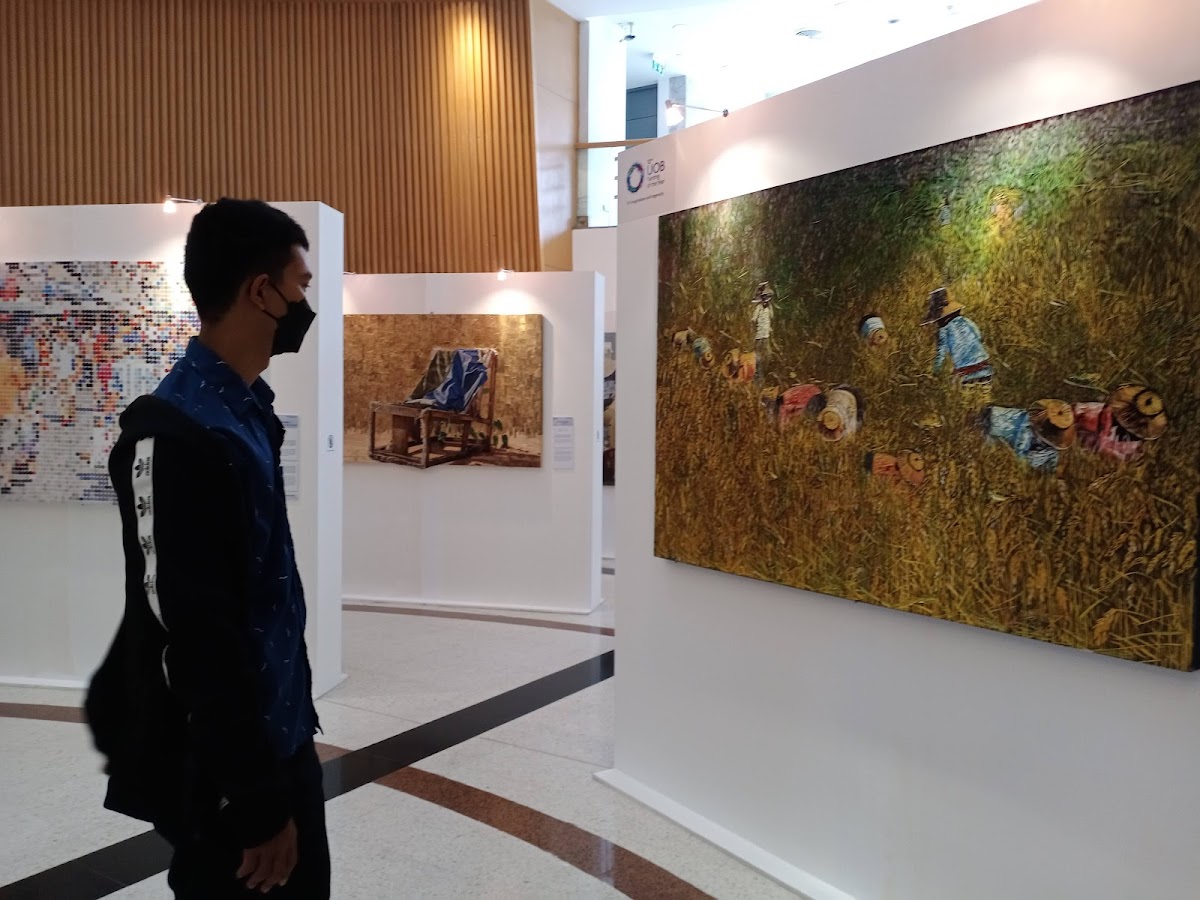
The building's interior is defined by a soaring central atrium and gently sloping spiral ramps that connect its nine floors of exhibition spaces. This unique design encourages a fluid, contemplative journey through the museum, differing from conventional gallery layouts. Natural light floods the interior through large windows and skylights, creating a bright and inviting atmosphere that enhances the viewing experience. BACC primarily hosts temporary exhibitions, showcasing a wide spectrum of Thai and international contemporary art, including painting, sculpture, installation, and media art. It serves as a vital hub for emerging artists and a venue for diverse cultural events, workshops, and performances, fostering an inclusive environment where art is accessible to all.
Museum of Contemporary Art (MOCA Bangkok): A Deep Dive into Thai Identity
Located in the northern outskirts of Bangkok, MOCA Bangkok offers a contrasting experience to BACC. Its address is 499 Kamphaeng Phet 6 Rd, Lat Yao, Chatuchak, Bangkok. While less centrally located, requiring a taxi or Grab ride from BTS Kasetsart University station, MOCA stands as a grand, pristine white building, exuding an air of solemnity and artistic significance. Opened in 2012, MOCA Bangkok was founded by Boonchai Bencharongkul, a prominent Thai telecom tycoon, to house his extensive private collection of Thai contemporary art, amassed over three decades.
MOCA's collection, spanning five floors and over 800 artworks, is deeply rooted in Thai identity, traditional values, and Buddhist philosophy. The museum's curated spaces explore themes such as the modern reinterpretation of ancient myths, Buddhist cosmology (including depictions of heaven and hell), and the complexities of Thai society. Artists delve into the impact of urbanization, wealth disparity, and the internal conflicts arising from the clash between tradition and modernity. The artworks, ranging from intricate realism to bold abstraction, often incorporate traditional Thai motifs and vibrant colors, offering profound insights into the Thai psyche and cultural heritage. MOCA provides a unique opportunity to understand the spiritual and social narratives that shape contemporary Thai art.
Visitor Information
Bangkok Art and Culture Centre (BACC)
- Admission: Free.
- Operating Hours: Tuesday to Sunday, 10:00 AM - 8:00 PM. Closed on Mondays.
- Transportation: Directly connected to BTS National Stadium Station (Exit 3) via a skywalk, making it very convenient.
- Recommended Visit Duration: 1.5 - 2 hours.
MOCA Bangkok (Museum of Contemporary Art)
- Admission: 250 Baht for adults. It is recommended to check the official website for the latest information.
- Operating Hours: Tuesday to Sunday, 10:00 AM - 6:00 PM. Closed on Mondays.
- Transportation: Located outside the city center. The most convenient way to reach MOCA is by taxi or Grab from BTS Kasetsart University Station, which takes approximately 15-20 minutes.
- Recommended Visit Duration: 2 - 3 hours to fully appreciate the extensive collection across five floors.
Visitor Info
| Estimated Visit | Translating |
| Translating | Translating |
| Translating | Translating |
| Recommended Route | Translating |