500 Years of Western Art, Free on Trafalgar Square
500 Years of Western Art, Free on Trafalgar Square
The National Gallery, London — Western Art on Trafalgar Square
The National Gallery is situated on the north side of Trafalgar Square in London, UK. Its address is Trafalgar Square, London WC2N 5DN. It is a mere 2-minute walk from Charing Cross or Leicester Square underground stations. This central location places it within a vibrant cultural hub, surrounded by other landmarks like St Martin-in-the-Fields Church and the National Portrait Gallery. The gallery, a prominent neoclassical structure, houses approximately 2,300 paintings spanning 500 years of Western art, from the mid-13th century to the early 20th century.
Admission to the permanent collection is free, making it highly accessible to the public. Special exhibitions typically require a paid ticket. The gallery operates daily from 10:00 to 18:00, with extended hours until 21:00 on Fridays. It closes on January 1st and from December 24th to 26th. A visit to see the highlights usually takes about 2 hours, while a comprehensive tour can extend to 3 hours or more. Utilizing the Friday late opening hours can provide a more relaxed viewing experience, avoiding peak crowds.
Founding and Expansion — A Public Collection Since 1824
The National Gallery was established in 1824 when the British Parliament acquired 38 paintings from the collection of John Julius Angerstein. This initial purchase laid the groundwork for a public art institution, distinct from royal collections seen in other European capitals. The collection, initially displayed in Angerstein's Pall Mall residence, steadily grew through subsequent donations and acquisitions. Notable additions included the Robert Peel collection in 1856 and the George Salting collection of Dutch paintings in 1890, significantly enriching the gallery's holdings.
In 1838, the gallery moved to its current purpose-built premises on Trafalgar Square, designed by William Wilkins. The neoclassical architecture, with its grand columns and pediment, became an iconic part of London's cityscape. Over the years, the building underwent several expansions, including the East Wing by Edward Barry in 1876 and the Sainsbury Wing, designed by Robert Venturi and Denise Scott Brown, which opened in 1991. The Sainsbury Wing specifically houses early Renaissance works, blending modern design with the existing classical structure.
Highlights of the Collection — Masterpieces Across Centuries
The National Gallery's collection offers a comprehensive journey through Western art history. Key periods include the Italian Renaissance, Dutch Golden Age, Flemish Baroque, and French Impressionism. Among its celebrated masterpieces are Leonardo da Vinci's
The gallery's layout guides visitors chronologically and geographically. The Sainsbury Wing is dedicated to early Renaissance art, while the galleries around the Central Hall feature High Renaissance and Baroque works. The East Wing showcases art from the late 18th to early 20th centuries, including Impressionist and Post-Impressionist masterpieces. This arrangement allows for a structured exploration of art history, with detailed information accompanying each significant work.
The National Gallery of Art, Washington D.C. — A Dual Architectural Narrative
The National Gallery of Art is located on the National Mall in Washington D.C., USA, at 401 Constitution Ave. NW. It comprises two distinct buildings: the West Building and the East Building, connected by an underground concourse. The gallery was established in 1937 through an act of Congress, largely due to the generous donation of art and funds by Andrew W. Mellon. His collection, particularly rich in Renaissance masters, formed the foundation of the museum, which was mandated to be free and accessible to all Americans.
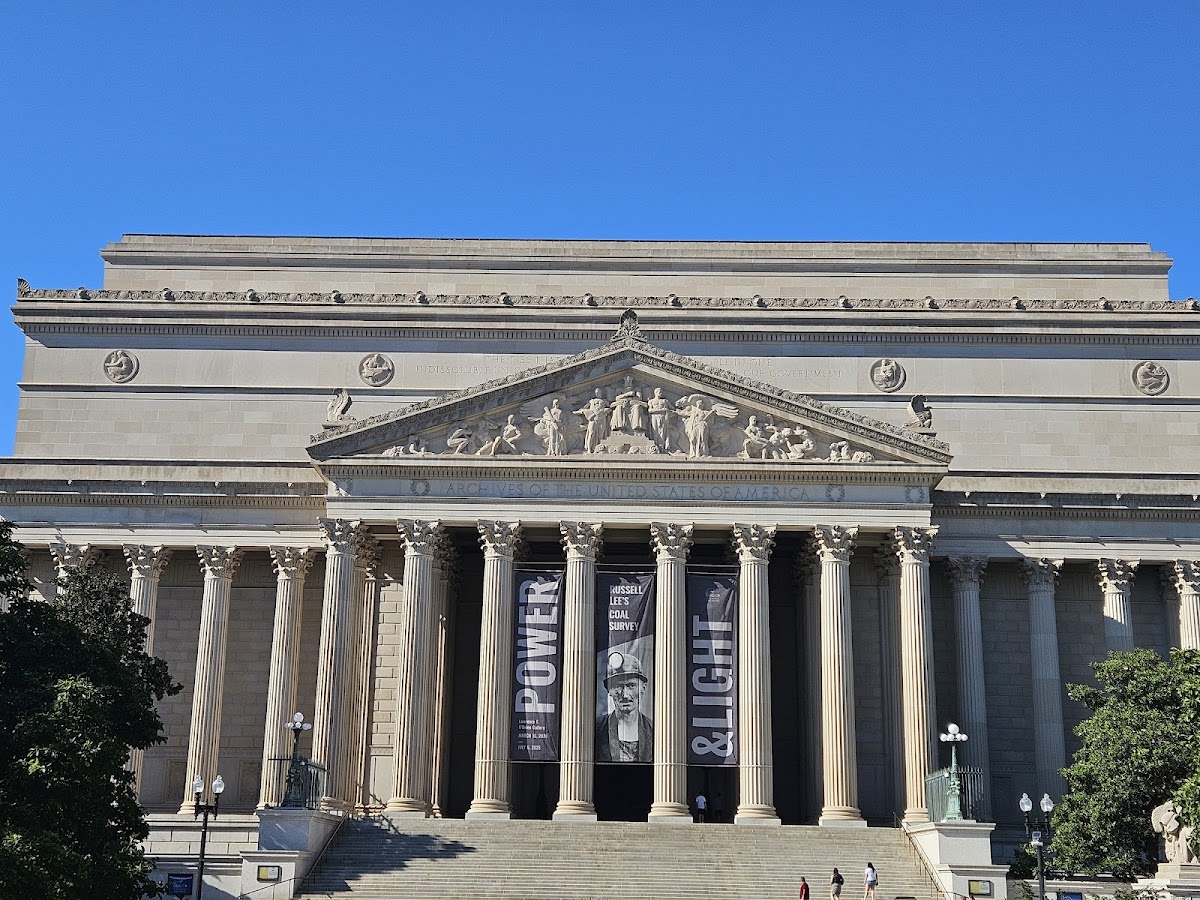
The West Building, designed by John Russell Pope and completed in 1941, exemplifies neoclassical grandeur with its domed rotunda, Corinthian columns, and pink Tennessee marble exterior. It primarily houses European and American art from the 13th to the late 19th centuries, featuring works by Leonardo da Vinci, Rembrandt, Monet, and Renoir. In contrast, the East Building, designed by I.M. Pei and opened in 1978, is a modernist masterpiece characterized by its geometric, triangular forms of concrete and glass. This wing is dedicated to 20th-century and contemporary art, with works by Picasso, Matisse, Jackson Pollock, and Mark Rothko, and a prominent mobile by Alexander Calder in its soaring atrium.
Connecting Spaces and Collections — From Classical to Contemporary
The underground concourse linking the West and East Buildings serves as more than a passageway; it hosts various light installations and art displays, enriching the visitor's transition between different eras and architectural styles. Outdoors, the Peggy and David Rockefeller Garden presents an array of modern sculptures amidst a landscaped setting, offering a serene space for reflection and outdoor art appreciation. These connecting elements enhance the narrative of the gallery, bridging the classical and the contemporary.
The National Gallery of Art's collection, exceeding 150,000 works, provides a comprehensive overview of Western art. The West Building's holdings include Italian Renaissance paintings, Dutch Golden Age masterpieces, and French Impressionist works. The East Building focuses on modern and contemporary art, encompassing Cubism, Abstract Expressionism, and Pop Art. The museum operates daily from 10:00 to 17:00, closing on December 25th. Admission to the permanent collection and most special exhibitions is free, though timed tickets may occasionally be required for special shows. The gallery's location on the National Mall offers easy access via the Archives-Navy Memorial-Penn Quarter and Smithsonian Metro stations, with numerous dining options nearby.
Visitor Info
| Admission | Translating |
| Hours | Translating |
| Location | Trafalgar Square, London WC2N 5DN |
| Getting There | Translating |
| Estimated Visit | Translating |
| Tips | Translating |
Featured Works

Jan van Eyck
The Arnolfini Portrait
얀 반 에이크의 걸작으로, 조반니 아르놀피니와 그의 아내의 전신 초상을 그렸습니다. 거울에 비친 뒷모습, 정교한 직물과 금속의 질감, 상징적 오브제들이 뛰어난 유화 기법으로 표현되었습니다. 서양 미술사 최초의 사실적 실내 이중 초상화로 평가되며, 내셔널 갤러리의 가장 중요한 소장품 중 하나입니다.

J.M.W. Turner
The Fighting Temeraire
터너의 대표작으로, 트라팔가르 해전의 영웅함 HMS 테메레르가 해체를 위해 예인되는 장면을 그렸습니다. 범선 시대의 끝과 산업혁명의 도래를 상징하는 이 작품은 웅장한 일몰 빛 아래 노쇠한 범선과 증기 예인선의 대비가 극적입니다. 영국인이 가장 사랑하는 그림으로 자주 선정됩니다.
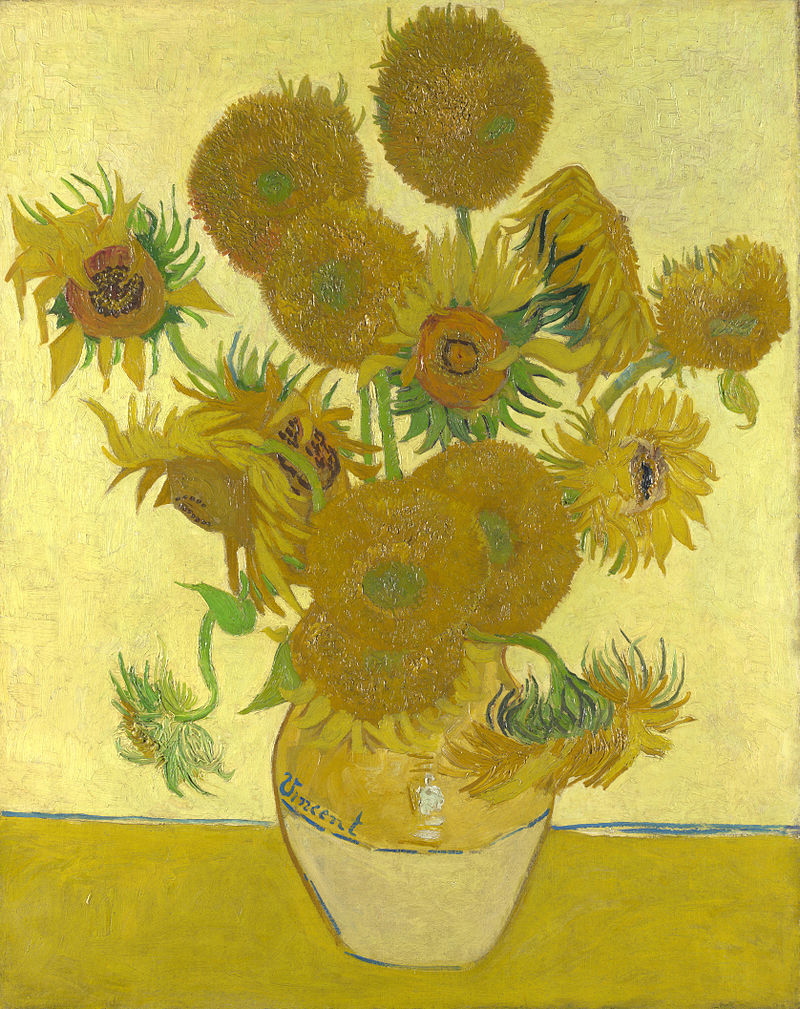
Vincent van Gogh
Sunflowers (London)
반 고흐가 아를에서 고갱을 맞이하기 위해 그린 해바라기 연작 중 하나입니다. 노란색의 다양한 변주로 표현된 해바라기들은 생명력과 열정을 상징합니다. 반 고흐 자신도 이 작품을 대표작으로 여겼으며, 내셔널 갤러리 버전은 7점의 해바라기 연작 중 가장 잘 알려진 버전입니다.