Where Sculpture Meets the Sea in The Hague
Where Sculpture Meets the Sea in The Hague
Beelden aan Zee — A Subterranean Sculpture Museum in The Hague
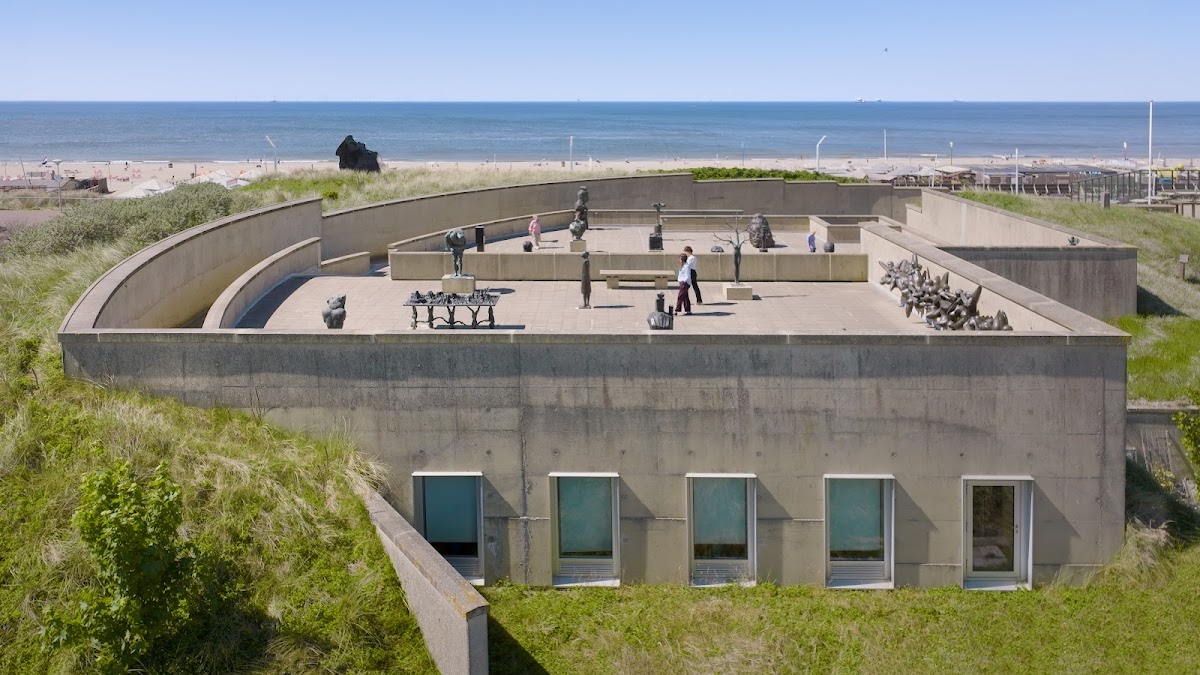
Beelden aan Zee, located at Pellenaerstraat 4, 2586 EK Den Haag, Netherlands, is a unique museum dedicated to modern and contemporary sculpture. Situated beneath the sand dunes of Scheveningen beach in The Hague, it seamlessly integrates with its natural surroundings, offering panoramic views of the North Sea.
Established in 2004 — A Hub for Contemporary Sculpture
Founded in 2004, Beelden aan Zee serves as a prominent Dutch institution for modern and contemporary sculpture. Its collection features a diverse range of works, reflecting significant artistic movements and individual expressions within the medium. The museum plays a crucial role in showcasing sculpture to a broad audience and fostering appreciation for this art form, often focusing on works related to the human figure.
Wim Quist's Architecture — Blending with Nature
The museum's architecture, designed by Wim Quist, is a key feature. Quist conceived the building not as an imposition on the landscape, but as an integral part of it. The entrance, subtly carved into the dune, leads visitors into a subterranean world where the sounds of the beach fade, replaced by a serene atmosphere. The design utilizes raw concrete in harmony with natural light, creating a unique spatial experience.
Interior Spaces — Light and Concrete
Inside, robust concrete walls and ceilings define the exhibition spaces. Skylights strategically placed in the ceiling allow natural light to filter in, casting soft shadows and illuminating the sculptures. This dynamic interplay of light changes with the time of day and weather, offering varied perspectives of the artworks.
Exhibition Flow and Outdoor Park
The museum's interior features interconnected galleries of varying heights and forms, creating a maze-like exploration path. Beyond the indoor galleries, an outdoor sculpture park extends along Scheveningen beach, allowing visitors to experience art within the natural coastal environment. This outdoor extension emphasizes the museum's commitment to integrating art with nature.
Visitor Information
Beelden aan Zee is open Tuesday to Sunday from 10:00 AM to 5:00 PM; it is closed on Mondays. Admission for adults is €16.50, and €8 for students, with free entry for Museumkaart holders. The recommended visit duration is 1.5 to 2 hours. The museum is accessible via Tram 1 or 9 from Den Haag Centraal, alighting at 'Kurhaus' or 'Scheveningseslag' stops. Nearby, Scheveningen beach offers various dining and cafe options.
Visitor Info
| Location | Harteveltstraat 1, Scheveningen |
| Hours | 10:00 - 17:00 (Daily) |
| Admission | €16.50 |
| Founded | Translating |
| Estimated Visit | 1.5-2hr |
Featured Works

Antony Gormley
Another Place
100개의 인체 주철 조각이 바다를 바라보는 설치 작품