A Journey Across the Baltic Sea for Modern Art: From Tallinn to Helsinki
A Journey Across the Baltic Sea for Modern Art: From Tallinn to Helsinki
2026 June 16-20: Baltic Sea Contemporary Art Field Trip Log
A 3-night, 4-day contemporary art field trip across the Baltic Sea took place from June 16 to 20, 2026. The journey connected Tallinn, Estonia, with Helsinki and Espoo, Finland. This expedition aimed to experience both the historical context of Tallinn's medieval city and the modern currents of Helsinki, a hub of Nordic modernism. Key destinations included the Kumu Art Museum, Kadriorg Art Museum, and Tallinn Toy Museum in Tallinn, as well as the Kiasma Museum of Contemporary Art in Helsinki and the Finnish Watch Museum in Espoo.
Travel between Tallinn and Helsinki was primarily by ferry, with local public transport (trams, buses, metro) used within each city. The trip occurred during the Nordic summer, characterized by mild weather and long daylight hours, typical for May to September. This log details each location's setting, architectural features, collections, and visitor information.
Kumu Art Museum: Hillside in Kadriorg Park, Tallinn
The Kumu Art Museum is located at A. Weizenbergi tn 34, Tallinn, Estonia. Situated on a hillside within Kadriorg Park, east of the city center, it is approximately a 5-minute walk from the 'Kadriorg' tram stop (trams 1 or 3). Surrounded by lush forests, the museum appears as a monumental sculpture integrated into nature. Kumu serves as the main building of the Art Museum of Estonia, recognized as the country's largest art museum and a significant contemporary architectural landmark in the Baltic Sea region.
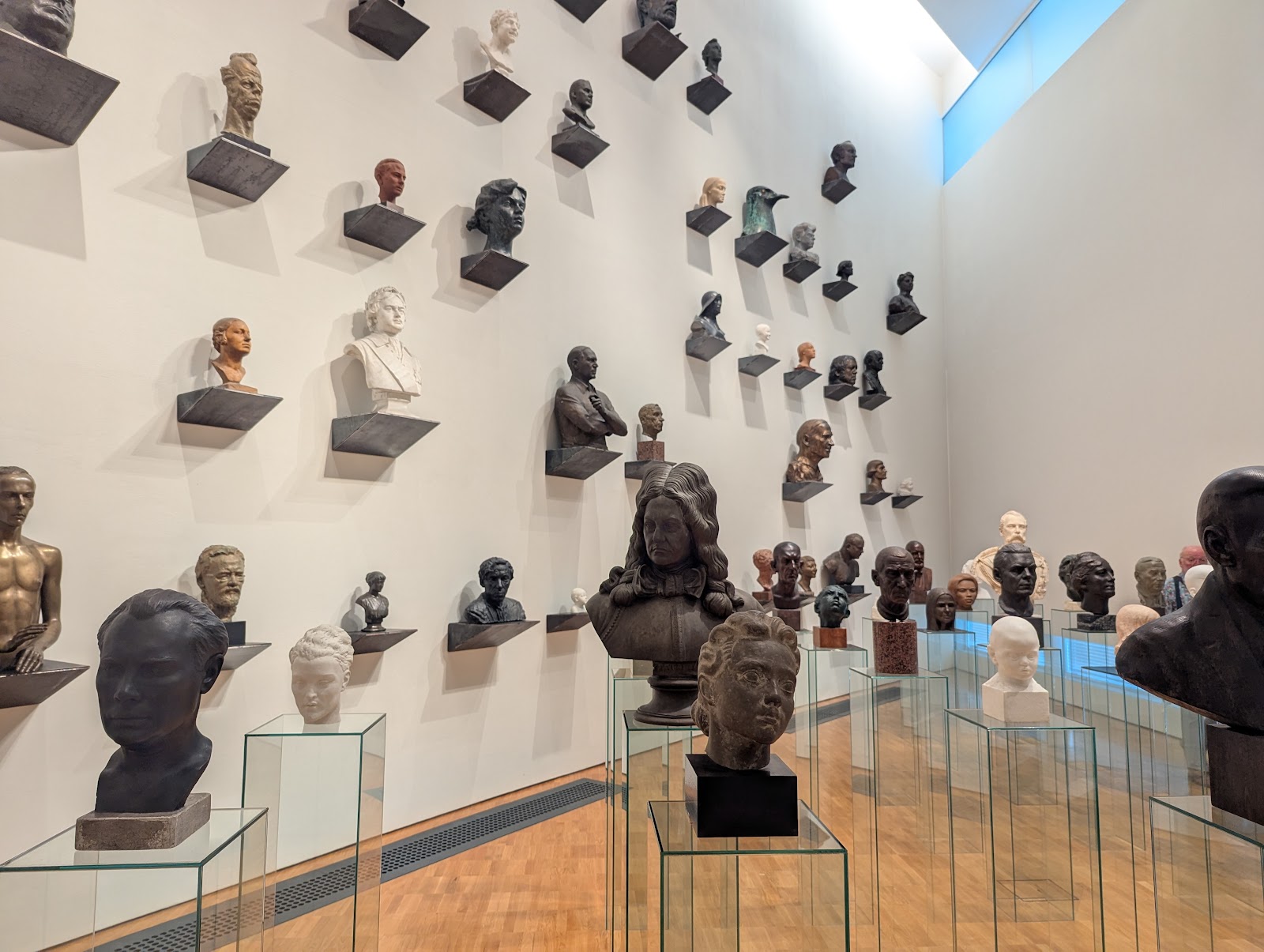
Its exterior combines gray concrete and copper panels, with the copper's hue subtly changing with sunlight. The interior features a central atrium flooded with natural light and a spiral ramp guiding visitors through the various exhibition levels. This design blurs the boundaries between indoor and outdoor, framing views of Kadriorg Park and offering a unique architectural experience. The collection spans Estonian art from the 18th century to the present day, including works from the Soviet occupation period, fostering dialogue between local heritage and global trends. A visit typically takes 2-3 hours.
Kadriorg Art Museum: Peter the Great's Baroque Palace, Tallinn
The Kadriorg Art Museum, at A. Weizenbergi 37, Tallinn, is housed within the Kadriorg Palace, a Baroque masterpiece built in 1718 by Peter the Great for Catherine I. Located in Kadriorg Park, near Kumu, the palace's opulent facade and manicured gardens reflect 18th-century imperial grandeur. The museum holds European and Russian paintings, sculptures, and prints from the 16th to 20th centuries, notably Dutch/Flemish Golden Age works and Russian Imperial portraits. The palace's richly decorated rooms serve as galleries, connecting art with the historical context of the era. Operating hours are Tuesday-Sunday, with Monday closures. Admission is approximately 8-10 euros.
Tallinn Toy Museum: Old Town Alleyway, Tallinn
The Tallinn Toy Museum, at Kooli 3, Tallinn, is tucked away in a quiet alley of Tallinn's Old Town, easily accessible on foot from most city attractions. This family-friendly museum, housed in several small buildings, showcases Estonian and European toys, dolls, board games, and miniatures from the 1930s to the present, including Soviet-era children's play culture. The collection evokes nostalgia for adults and joy for children, with a play area on the second floor and regular puppet shows. The museum is closed on Mondays, operating Tuesday-Friday from 12:00-18:00 and Saturday-Sunday from 10:00-17:00. Admission is around 6-8 euros.
Finnish Watch Museum: WeeGee Cultural Center, Espoo
The Finnish Watch Museum, at Kellokuja 2, Espoo, is part of the WeeGee Exhibition Centre, a repurposed printing factory now housing multiple cultural institutions including the EMMA Art Museum. It is reachable by metro from Helsinki Central Station to Tapiola, followed by a 10-minute walk. This unique museum, the only one of its kind in the Nordics, systematically exhibits the history of timekeeping, from 16th-century sundials to modern wristwatches, highlighting Finnish watchmaking and craftsmanship. The museum is closed on Mondays and Tuesdays, open Wednesday-Friday from 11:00-17:00. Admission is part of the WeeGee integrated ticket, costing approximately 15-20 euros.
Kiasma Museum of Contemporary Art: Helsinki City Center Landmark
Kiasma, the Museum of Contemporary Art, stands prominently at Mannerheiminaukio 1, Helsinki, a 5-minute walk from Helsinki Central Station. Designed by Steven Holl, its distinctive architecture is a city landmark. Kiasma focuses on collecting and presenting Finnish and international contemporary art, featuring dynamic exhibitions that engage with current artistic practices and critical discourse. Its challenging and interactive works often provoke thought and discussion. The museum is closed on Mondays, with varied operating hours Tuesday-Sunday. Admission is 15 euros, free for under 18s, and Helsinki Card is accepted. A visit typically takes 2-3 hours.
Visitor Info
| Estimated Visit | Translating |
| Translating | Translating |
| Translating | Translating |
| Recommended Route | Translating |
| Transport | Translating |