New York Masterpiece Week: Conquering the World's Best Museums in 3 Days, from MoMA to The Met
New York Masterpiece Week: Conquering the World's Best Museums in 3 Days, from MoMA to The Met
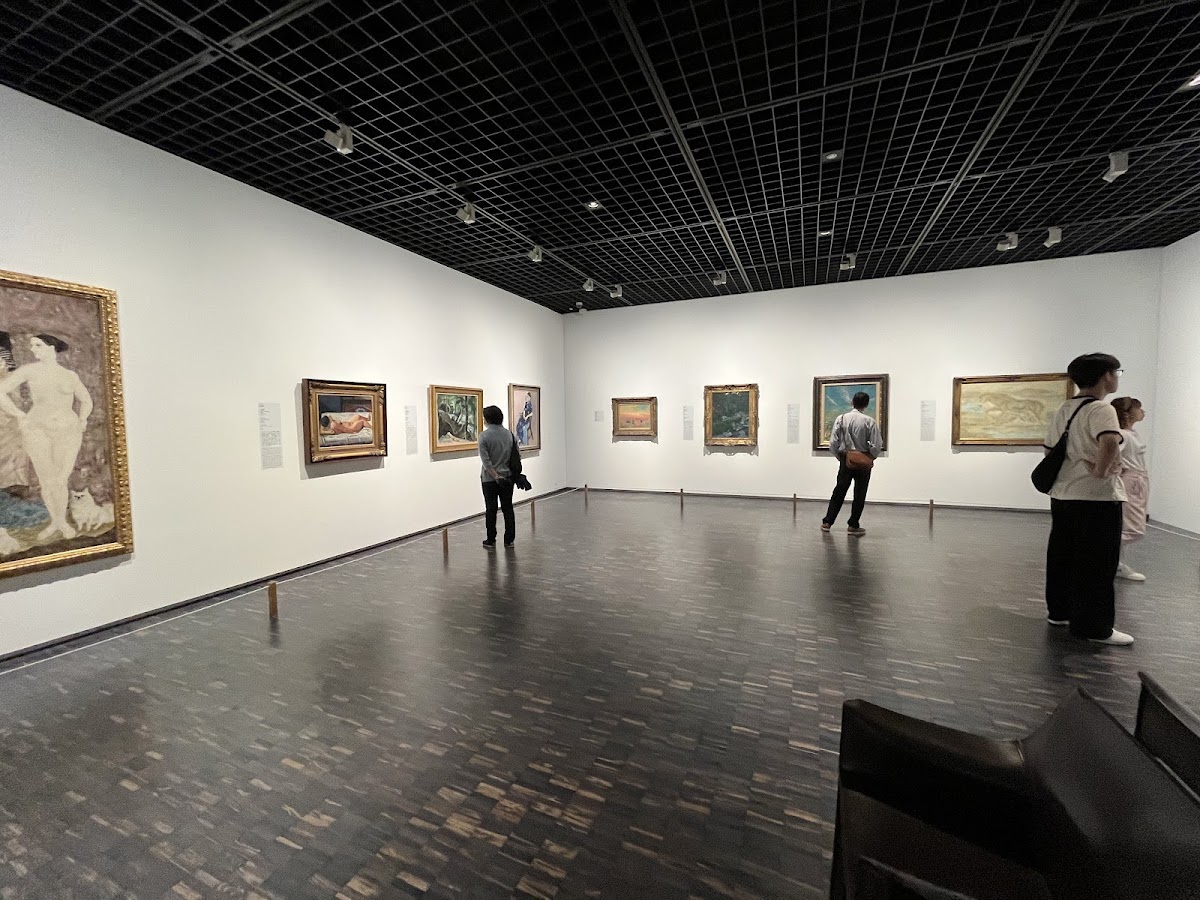
The National Museum of Modern Art, Tokyo (MOMAT) – A Hub for Japanese Modern Art
Located at 1-1-1 Hitotsubashi, Chiyoda City, Tokyo, MOMAT stands near the Imperial Palace East Garden. It is a premier institution dedicated to collecting, preserving, and exhibiting modern and contemporary Japanese art, alongside select international works. The museum traces the evolution of artistic expression in Japan from the Meiji period to the present day, showcasing how Japanese art embraced and reinterpreted Western influences while maintaining its unique identity.
MOMAT's collection highlights the two main currents of modern Japanese painting: 'Yōga' (Western-style painting) and 'Nihonga' (Japanese-style painting). Works by artists like Kuroda Seiki demonstrate the successful integration of Impressionistic techniques into Japanese landscapes and portraits. Conversely, 'Nihonga' artists such as Yokoyama Taikan explored new forms by blending traditional Japanese aesthetics with Western perspectives, as seen in his ethereal landscapes like
Guggenheim Museum Bilbao – An Architectural Icon on the Nervión River
The Guggenheim Museum Bilbao, situated at Abandoibarra Etorb., 2, Abando, 48009 Bilbao, Bizkaia, Spain, is a landmark designed by Frank Gehry. Opened in 1997, this titanium-clad structure transformed Bilbao from an industrial city into a global cultural destination. Its dynamic curves and shimmering surfaces reflect the Nervión River and the sky, creating a constantly changing spectacle that captivates visitors.
The museum's exterior features monumental sculptures, including Jeff Koons' 'Puppy,' a giant floral dog, and Louise Bourgeois' 'Maman,' a towering spider. Inside, a vast atrium bathed in natural light serves as the central hub, leading to uniquely shaped galleries. Richard Serra's
Visiting Information – MOMAT
- Admission: 500 JPY for adults (permanent exhibition). Special exhibitions may have separate fees or combined tickets.
- Hours: 10:00 AM - 5:00 PM (Tues-Thurs, Sun); 10:00 AM - 8:00 PM (Fri-Sat). Closed Mondays and New Year holidays.
- Access: Approx. 3-min walk from Takebashi Station (Tozai Line, Exit 1a/1b). Approx. 10-min taxi from JR Tokyo Station.
- Reservations: Not typically required for permanent exhibitions, but recommended for popular special exhibitions.
Visiting Information – Guggenheim Museum Bilbao
- Admission: 16 EUR for adults; discounts for students (under 26) and seniors (over 65).
- Hours: 10:00 AM - 7:00 PM (Tues-Sun). Closed Mondays, though may open daily during peak season.
- Access: Tram to "Abandoibarra" or "Guggenheim" stops. Approx. 15-20 min walk from Casco Viejo.
- Reservations: Strongly recommended online, especially during peak season or weekends, to avoid queues.
Visitor Info
| Estimated Visit | Translating |
| Translating | Translating |
| Translating | Translating |
| Recommended Route | Translating |
| Transport | Translating |