Rijksmuseum Amsterdam: Rembrandt's 'The Night Watch' and the Heart of the Dutch Golden Age
Amsterdam's Heart: Walking Through the Golden Age
Stepping across the magnificent threshold of the Rijksmuseum, nestled in the heart of Amsterdam, is like journeying back in time to the Dutch Golden Age, 400 years ago. The neo-Gothic building, a harmonious blend of red brick and intricate sculptures, is a masterpiece in itself, seeming to float steadfastly upon Amsterdam's canals like a grand vessel of time. This is no mere museum; it is a living heart where the soul and history of the Dutch people breathe. With every step through its sun-drenched, arched corridors, echoes of the past seem to resonate, and the serene garden visible through the windows quiets even the city's hustle. This grand temple of art feels like a sacred site where the breath of masters like Rembrandt, Vermeer, and Frans Hals still vividly lingers.
A Harmony of Architecture and Knowledge: Cuypers' Masterpiece
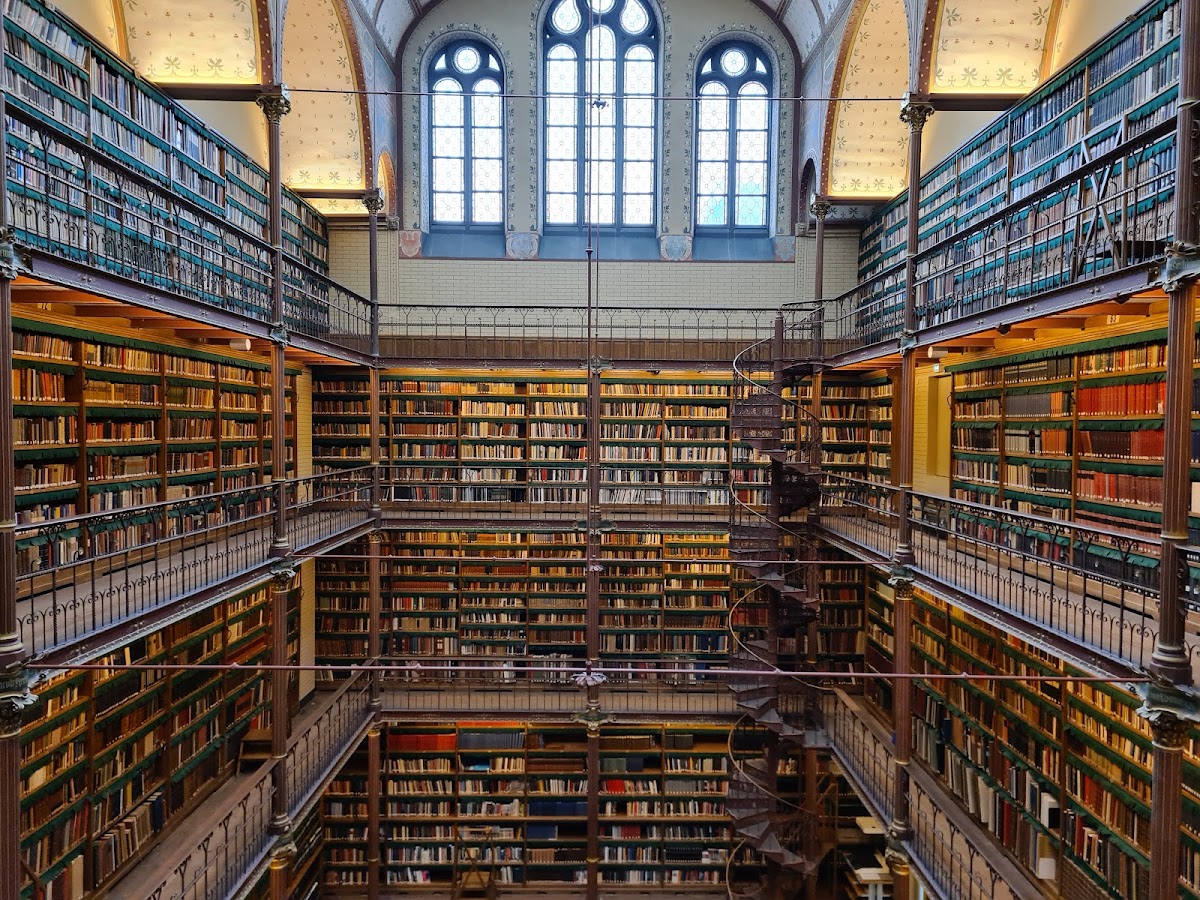
This masterpiece by Pierre Cuypers boasts a unique design, allowing even bicycles to pass through a central archway. Entering the building, one can't help but gasp at its breathtaking beauty. In particular, the Rijksmuseum Research Library is a destination in itself. The cozy scent emanating from stacks of antique books, the intricately carved wooden shelves, and the kaleidoscopic light filtering through stained-glass windows evoke the mystical atmosphere of a medieval archive. Watching people quietly turn pages here leaves as profound an impression as viewing the artworks. The grandeur of the library and the depth of its knowledge perfectly complement the artistic richness of the museum. The museum's four-season garden also serves as an oasis within the city, offering visitors a moment of peaceful respite. Its meticulously landscaped greenery and modern sculptures placed throughout provide a fresh visual contrast to the solemnity of classical art.
The Heart of the Golden Age: Rembrandt's 'The Night Watch'
However, the true essence of the Rijksmuseum unfolds in the 'Gallery of Honour'. This magnificent space gathers the most brilliant moments of the Dutch Golden Age. And at its heart stands the awe-inspiring presence that dominates all gazes: Rembrandt van Rijn's 'The Night Watch' (De Nachtwacht). This colossal canvas, measuring 4 meters wide and 3.6 meters high, transcends a simple group portrait. The dramatic contrast of light and shadow emerging from the dark background, the dynamic expressions and gestures of the figures that seem to live and breathe, make us feel as though we are standing directly in a moment of 17th-century Amsterdam. This dramatic scene of civic guards preparing to march is not a static painting, but a breathing epic. Rembrandt boldly broke away from the portrait conventions of his time, capturing the individuality of each figure while maintaining a cohesive dramatic composition. While Captain Frans Banninck Cocq and his lieutenant Willem van Ruytenburch take center stage, the myriad faces within the canvas seem to whisper their own stories. The exquisite manipulation of light draws the viewer's gaze deep into the work, perfectly reproducing the subtle reflections and shadows on the figures' armor, and even the texture of their garments. This painting is more than a portrait; it is a magnificent emblem symbolizing the freedom, pride, and communal spirit of the Dutch people. The spirit of the Golden Age citizens, who voluntarily protected their city and fostered its prosperity, is condensed within this vast canvas. Centuries later, standing before the work, we are overcome with an inexplicable sense of awe and a powerful emotion as if feeling the very breath of the people from that era. Rembrandt's genius transcends time and space, offering profound resonance to us even today.
A Hymn to Light and Life: Vermeer and Hals
Following the grandeur of 'The Night Watch,' a few steps transport us as if to another dimension, as we encounter Johannes Vermeer's 'The Milkmaid' (Het melkmeisje). In stark contrast to Rembrandt's fervent drama, Vermeer depicts serene, static moments of everyday life with extreme delicacy and light. The shadows cast on the wall, the undisturbed still life objects, and the quiet concentration of the woman engrossed in her work evoke a mysterious peace, as if time itself has stood still. The soft light filtering through the window feels not just like light, but like a divine presence breathing life into the space within the painting. Vermeer's works lead the viewer into deep contemplative thought, awakening an appreciation for the beauty and dignity that can be found even in the most ordinary of lives.
Furthermore, the works of Frans Hals, who captured the soul of his subjects with vibrant brushstrokes, are not to be missed. His portraits greet the audience with lively expressions and dynamic poses, as if the subjects had just paused mid-conversation. His bold yet precise brushwork reveals the fashion and personalities of the time, allowing us to glimpse the diverse tapestry of 17th-century Dutch society. His subjects, full of laughter, vitality, and sometimes even anguish, exude a familiar human charm that resonates with us today.
Beyond these masters, the Rijksmuseum is filled with works by countless other luminaries who adorned the Dutch Golden Age, including Jan Steen's satirical genre paintings, Jacob van Ruisdael's majestic landscapes, and beautiful still lifes. Passing through each gallery is like traveling through time, experiencing the multi-layered essence of Dutch culture, where 17th-century commerce and trade, social life, religious beliefs, and artistic sensibilities intertwined. These works, perfectly preserved down to the smallest detail, vividly convey the way of life and values of the people of that era to us today, offering timeless inspiration.
The Golden Age, Forever Alive
The journey through the Rijksmuseum in Amsterdam is more than a mere appreciation of art. It is a deep exploration into the brilliant Dutch Golden Age of 400 years ago, and a moving experience that reaffirms the greatness of the human spirit and the eternity of art. Rembrandt's dramatic light, Vermeer's quiet solitude, Hals's vibrant smiles. All these elements converge to sing of Dutch identity and pride. Upon exiting the Rijksmuseum, we are left with the profound afterglow of art, feeling the ever-present breath of the Golden Age still alive in the Amsterdam wind. This is not merely a place of relics, but a place to encounter living history, a true treasury of art that inspires and enriches the soul.
Visitor Info
| Duration | 하루 종Sun (최소 4-5hr) |
| Budget | 22.50 유로 (Adult 기준, 입장권) |
| Best Season | 연중 내내 (붐비는 시기 피하려면 평Sun 오전 추천) |
| Route | 국립미술관 - 반 고흐 미술관 - 암스테르담 운하 보트 투어 |