Kyoto's Quiet Breath, Japanese Aesthetics in Temples and Gardens: An Art Journey Connecting Time and Space
Kyoto's Quiet Breath, Japanese Aesthetics Embodied in Temples and Gardens: An Art Journey Connecting Time and Space
Kyoto, a city where serenity flows, transcends being merely a travel destination. It is a place where the essence of Japanese aesthetics, the spirit of 'Wabi-sabi (侘寂)', breathes life, forged within a thousand years of ancient history. This city, like a living museum, offers a picturesque landscape where traces of time and human creations harmonize with nature. In this art journey, we aim to explore the multifaceted aspects of Japanese aesthetics, focusing on the Kyoto National Museum, where the essence of traditional Japanese art can be found in the heart of Kyoto, and the Miho Museum, nestled deep in the mountains, which maximizes the harmony between modern architecture and nature. It will be a journey that goes beyond merely appreciating artworks, to fully feeling the philosophy and emotion embedded within them.
Kyoto National Museum: Walking the Traces of Time, and the Depth of Wabi-sabi
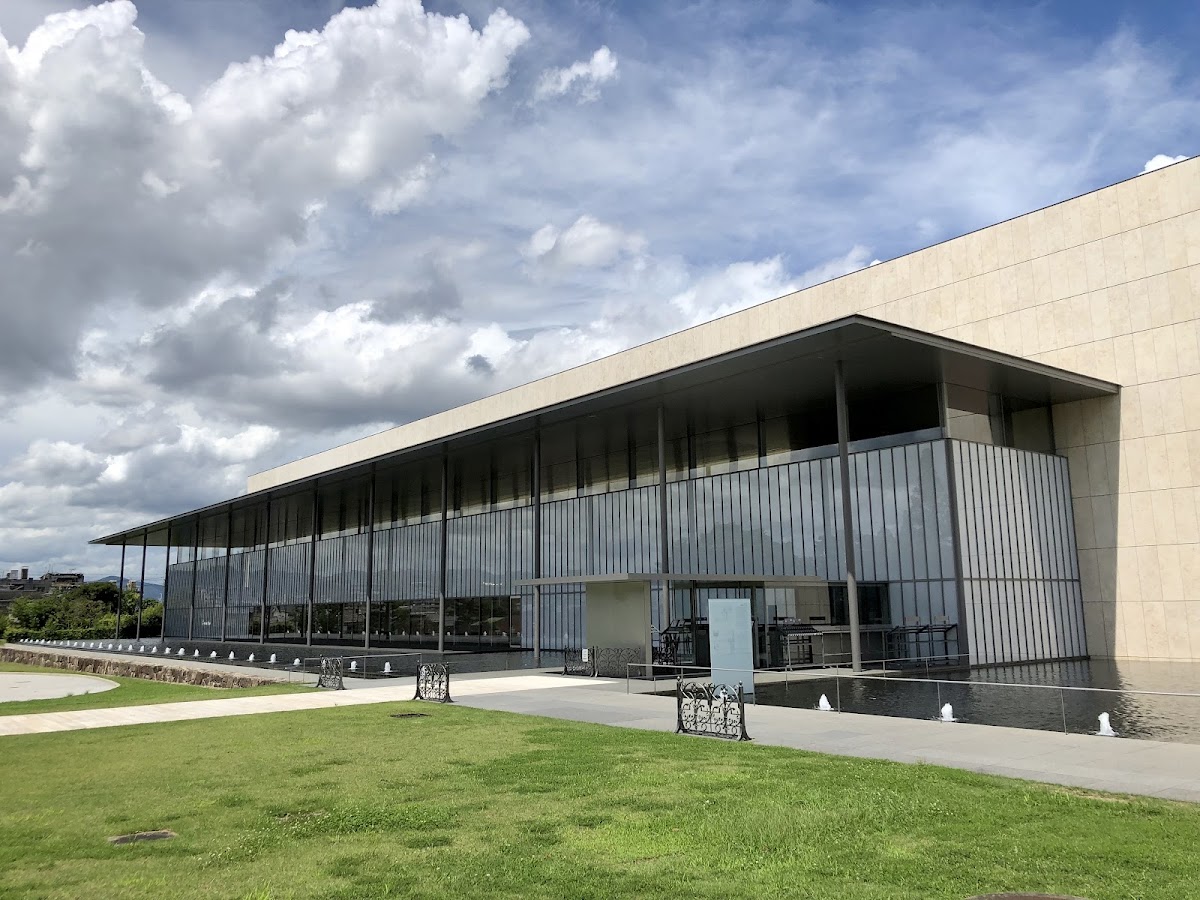
Since its establishment in the Meiji era, the Kyoto National Museum has served as a central hub for the preservation and research of Japanese cultural properties. The main building (Meiji Kotokan), with its striking red bricks and green dome, boasts the beauty of Western architectural style, while the modern aesthetic of the Heisei Chishinkan Wing stands beside it. Designed by architect Yoshio Taniguchi, this new wing is characterized by clean lines and minimal ornamentation, creating an exquisite harmony with the surrounding serene landscape. The coexistence of old and new, Eastern and Western architectural beauty in one space seems to visually express the multifaceted charm of Kyoto.
The museum's collection comprises a wide range of Japanese and Asian artworks and artifacts. In particular, Buddhist art, ceramics, paintings, calligraphy, and textiles embody the history and aesthetic consciousness of Japan. Here, we can fully experience the aesthetics of 'Wabi-sabi'. Wabi-sabi refers to the beauty found in imperfection, transience, and simplicity. For instance, the rough texture felt in a centuries-old tea bowl (chawan), the wooden Buddhist statues that faithfully retain the flow of time, and the sense of stability derived from intentional asymmetry and irregularity are all manifestations of the Wabi-sabi spirit. It draws attention to inner depth and restrained beauty rather than ostentation. In particular, moments of discovering the cycle of nature and the fleetingness of life in Buddhist paintings or folding screens expressed with restrained colors and simple lines offer a profound meditative experience.
The artifacts here are not mere relics. They are stories imbued with the breath and thoughts of artisans who lived through different eras. The Kintsugi (金継ぎ) technique, where broken pottery is mended with gold, exemplifies the essence of Wabi-sabi. The attitude of embracing destruction not as an end but as a new beginning, and flaws as part of beauty, resonates deeply with us. The journey of exploring true beauty beyond perfection through each artwork will provide a quiet time for contemplation, often forgotten in the busy lives of modern people.
Seasonal Exhibition Tips:
- Spring (Cherry Blossom Season): In spring, special exhibitions often feature themes of seasonal change, such as paintings depicting cherry blossoms or spring landscapes, and Buddhist art related to the vernal equinox. Visiting in conjunction with nearby shrines and temples (Sanjusangen-do, Chishaku-in, etc.) will enrich the experience.
- Summer (Green Season): Although Kyoto summers are humid and hot, you can find peace of mind by appreciating tranquil and serene ink paintings or works depicting summer landscapes in the cool environment inside the museum. Traditional fans or summer attire exhibitions are also interesting.
- Autumn (Autumn Foliage Season): In autumn, when the leaves are at their peak, diverse special exhibitions are planned, featuring folding screens or paintings with autumn themes, and pottery expressing seasonal changes. This creates an even more moving atmosphere, harmonizing with the autumn leaves outside the museum.
- Winter (Quiet Contemplation): Winter is a period with fewer visitors, allowing for more focused immersion in the artworks. It's an excellent time to leisurely appreciate exhibits requiring deep contemplation, such as Buddhist sculptures or ancient art, savoring the essence of Japanese aesthetics.
Miho Museum: A Feast of Transcendent Aesthetics Deep in the Mountains, Beyond Time and Space
Nestled deep in the mountains of Shigaraki, Shiga Prefecture, about an hour's drive from Kyoto, lies a masterpiece by world-renowned architect I.M. Pei, the Miho Museum. This is not merely a museum, but a place that offers a mystical experience where architecture, nature, and art are perfectly harmonized. The path to the museum itself is a work of art. After navigating winding mountain roads, a long tunnel appears, and a suspension bridge unfolds at its end, evoking a mysterious feeling of entering an ideal realm, a 'paradise (別天地)', cut off from the mundane world. The sound of footsteps and wind echoing in the tunnel, and the gradually brightening light at the tunnel's end, suggest that this is not just a building, but a space imbued with the architect's philosophy.
I.M. Pei prioritized 'harmony with nature' when designing the Miho Museum. Approximately 80% of the building is buried underground, preserving the natural landscape as much as possible, and allowing visitors to appreciate the play of light that changes with time and weather through natural illumination flowing into the interior. Environmentally friendly materials such as glass, steel, warm-toned limestone, and wood combine to create a modern yet dignified atmosphere. In particular, the large windows that frame the external natural scenery like paintings become another exhibition piece of the museum. The changing seasons unfolding outside the windows seem to engage in a timeless dialogue with the ancient artifacts inside the museum. Here, artifacts from ancient Egypt, Rome, Mesopotamia, Asia, and other parts of the world are displayed, but all these works achieve a subtle sense of unity, harmonizing with Japan's static aesthetics. It is the embodiment of I.M. Pei's vision to pursue universal human beauty beyond time and space.
The Miho Museum offers a quietness and grandeur of a different dimension from the spirit of Wabi-sabi. The symmetrical arrangement and use of light evoke a reverence akin to a temple. Its remote location deep in the mountains provides visitors with an immersive experience, cut off from the outside world, creating an ideal environment to reflect on oneself and delve deeply into art and nature, away from the hustle and bustle of daily life. The architecture itself is both a work of art and a space for meditation.
Seasonal Visit Tips:
- Spring (Cherry Blossom Tunnel): From late March to early April, the cherry trees lining the path to the museum's tunnel burst into full bloom, forming a spectacular cherry blossom tunnel. The Miho Museum offers its peak beauty during this period, attracting visitors from all over the world to witness this magnificent sight. Reservations are often essential due to its popularity.
- Summer (Lush Greenery): The verdant mountains and valleys offer a refreshing coolness from the summer heat. It's a good time to leisurely appreciate the artworks in the cool, organized spaces inside the museum, enjoying the natural light.
- Autumn (Autumn Foliage Spectacle): From late October to mid-November, the entire mountainside around the museum is painted with red and yellow autumn leaves, creating a breathtaking spectacle. In particular, the autumn foliage seen through the museum's interior windows is like a living painting.
- Winter (Serene Snowscape): The Miho Museum covered in snow evokes an extreme sense of stillness and mystery. The harmony between the white snow and the architecture presents a static beauty akin to an East Asian painting, offering a different kind of profound emotion than other seasons. However, caution is advised as heavy snowfall can sometimes disrupt transportation.
Japanese Garden Culture and Wabi-sabi: The Truth of Beauty Found in Spaces for Contemplation
When discussing Kyoto, one cannot omit its temple and garden culture. This, along with the artifacts found in museums, forms the living art that underpins Japanese aesthetics. Gardens are not merely landscaping; they are philosophical spaces that condense nature to contain the universe. Especially Zen gardens, known as 'Karesansui (枯山水)', express the flow of water and the shape of mountains using only rocks and sand, leading the viewer into deep meditation. Ryoan-ji's rock garden, with its 15 stones arranged so that not all are visible at once, resonates with the Wabi-sabi spirit of pursuing completeness within imperfection. Ginkaku-ji's 'Ginshadan (銀沙灘)' and 'Kogetsudai (向月台)' reflect moonlight and represent waves and Mount Fuji with sand, drawing in natural changes through artificial elements to induce contemplation.
Kyoto's gardens also embody 'Mono no aware (物の哀れ)', the pathos of things and the poignant beauty derived from their transience. In moss gardens wet with rain, bamboo groves swaying in the wind, or even a single falling cherry blossom petal, we feel the flow of time and the cycle of life, and receive a quiet感動 (deep emotion) from it. These gardens, in a way different from the refined artworks in museums, expand our aesthetic experience through interaction with nature. Meticulously arranged moss and trees, and intentionally placed stones, sublimate the impermanence of nature into art, awakening humility and reverence in visitors. This is the core of Japanese aesthetics: finding deep meaning in natural imperfection rather than artificial perfection, and in the beauty that blossoms within it.
Wabi-sabi does not merely mean old or worn. It connects to an aesthetic of spiritual fulfillment rather than material abundance, specifically 'Mitake (見立て)' and 'Yugen (幽玄)'. Mitake is seeing everyday objects from a different perspective and giving them new meaning, while Yugen refers to a deep, subtle, and mysterious beauty. The process of discovering and interpreting these aesthetic concepts for oneself while strolling through Kyoto's temples and gardens will truly be the highlight of this journey.
Conclusion: The Truth of Beauty Found in Serenity
This art journey in Kyoto was more than just seeing and enjoying beautiful things; it was a time for deep contemplation that touched the innermost parts of our being. At the Kyoto National Museum, we experienced the unique stories told by artifacts that have endured thousands of years. At the Miho Museum, we encountered the wondrous spatial art created by a master of modern architecture, harmonizing with nature. And in the gardens throughout Kyoto, we reveled in the beauty of contemplation imbued with Wabi-sabi and Zen philosophy.
All these experiences convey a message: 'True beauty is found not in perfection, but in imperfection, and in the traces of time.' In Kyoto's quiet breath, we discover spiritual depth rather than material abundance, and eternal value rather than momentary splendor. We hope this journey will bring quiet reflection and new aesthetic inspiration into your lives. In a complex world, why not pause for a moment and immerse yourself deeply in the serene aesthetics of Japan? It will be a true rest for your soul.
Visitor Info
| Duration | 3박 4Sun |
| Budget | 1인당 1,500,000원부터 |
| Route | 간사이 국제Airport(KIX) → 교Sat city center (숙소) → 교Sat 국립박물관 → 교Sat 사찰 및 정원 (료안지, 긴카쿠지) → 미호 뮤지엄 (시가현) → 간사이 국제Airport (KIX) |
