Bode Museum: Sculpting Through Time in Berlin
Bode Museum: Sculpting Through Time in Berlin
The Bode Museum: A Landmark on Berlin's Museum Island
The Bode Museum, located at Am Kupfergraben 3, 10178 Berlin, stands majestically at the northern tip of Berlin's renowned Museum Island. This architectural marvel, designed by Ernst von Ihne, opened in 1904 as the Kaiser-Friedrich-Museum, named by Kaiser Wilhelm II in honor of his father, Friedrich III. Its unique triangular footprint, embraced by the Spree River, creates the illusion of a grand citadel floating on water, a distinctive feature of its neo-Baroque and neoclassical design.
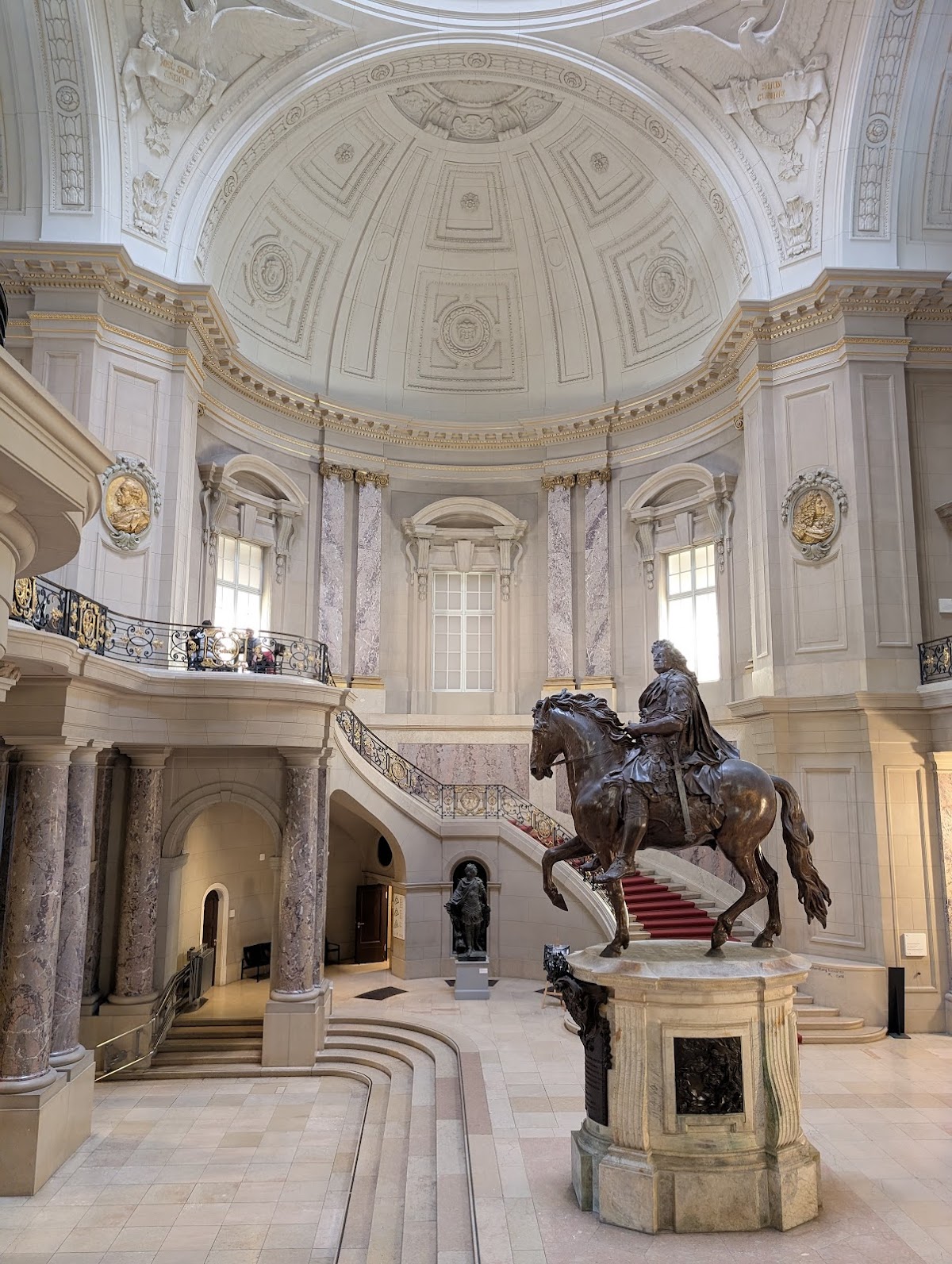
The museum's exterior is characterized by elegant curves and a prominent dome, while its interior boasts a magnificent central domed hall, grand staircases, and arched passageways that allow natural light to illuminate the spaces. This design ensures that the building itself is an integral part of the visitor's artistic experience, harmonizing with the extensive collections housed within.
A Journey Through European Art: Collections from the Middle Ages to the 18th Century
The Bode Museum is celebrated for its comprehensive collections, which span European sculpture, Byzantine art, early Christian artifacts, and a vast numismatic collection. These holdings offer a profound journey through the art and cultural history of Europe, from the Middle Ages to the 18th century. The museum serves as a vital center for the study and appreciation of these diverse artistic periods.
The sculpture collection is particularly notable, featuring masterpieces by Italian and German artists. Highlights include Donatello's 'Bust of Cesare d'Este' and Andrea del Verrocchio's 'Laughing Bust,' which showcase the remarkable ability of marble to capture human emotion. Medieval wooden sculptures, altarpieces, and Madonna and Child figures reflect the religious devotion and artistic trends of their time, providing insight into the spiritual values of past societies.
Byzantine and Numismatic Treasures
The Byzantine art collection is another cornerstone of the Bode Museum, presenting artifacts from the Christian era unearthed in Egypt and symbolic works that illustrate the grandeur of the Byzantine Empire. Exquisite early Christian ivory carvings and mosaics captivate with their intricate detail and vibrant colors, offering a glimpse into the lives and beliefs of people thousands of years ago.
Furthermore, the museum houses one of the world's most extensive numismatic collections, encompassing coins, banknotes, and medals from antiquity to the present day. This collection is not merely a display of currency but a significant historical record, reflecting economic conditions, political shifts, and cultural exchanges across various eras. The artistry and craftsmanship evident in these pieces also provide valuable insights into the technological and artistic developments of different periods.
Resilience and Rebirth: The Museum's Historical Path
The Bode Museum's history is intertwined with Berlin's tumultuous past. It suffered severe damage during both World Wars, particularly from Allied bombing in World War II, which destroyed much of the building. Following the war, located in East Berlin, the museum underwent extensive restoration, reopening in 1987. This effort underscored a profound commitment to preserving cultural heritage.
Renamed the Bode Museum in honor of its first director, Wilhelm von Bode, who was instrumental in shaping its early collections and the Museum Island's foundation, it underwent a major renovation as part of the 'Museum Island Master Plan' after German reunification. The museum reopened in its current form in 2006, symbolizing hope and recovery for the city of Berlin, showcasing a remarkable journey of destruction, restoration, and rebirth.
Visitor Information and Surrounding Attractions
The Bode Museum is easily accessible, located at Am Kupfergraben 3, 10178 Berlin. It operates from 10 AM to 5 PM Tuesday through Friday, and 10 AM to 6 PM on weekends, remaining closed on Mondays. Admission for adults is 10 Euros, with a Museum Island combined ticket available for 19 Euros, offering access to multiple museums.
As part of the UNESCO World Heritage-listed Museum Island, the Bode Museum is surrounded by other significant cultural institutions. Visitors can explore the Pergamon Museum, Neues Museum, Altes Museum, and Alte Nationalgalerie, all within walking distance. A stroll along the Spree River promenade or a visit to the nearby Berliner Dom (Berlin Cathedral) further enhances the cultural experience, making the Bode Museum an ideal starting or ending point for exploring Berlin's rich history and art scene.
Visitor Info
| Location | Am Kupfergraben 3, 10178 Berlin, Germany |
| Hours | See official website (https://www.smb.museum/museen-und-einrichtungen/bode-museum/home.html) |
| Admission | See official website |
| Getting There | Translating |
| Estimated Visit | 2-3hr |
Featured Works

도나텔로 (Donatello)
파치 성모 (Pazzi Madonna)
도나텔로의 섬세한 저부조 성모자상

미상 (전해지는) (Unknown (attributed))
플로라 흉상 (Bust of Flora)
보데박물관의 상징적 르네상스 조각

미상 (카롤링거 왕조) (Unknown (Carolingian))
카롤루스 대제 기마상 (Equestrian Statuette of Charlemagne)
카롤링거 왕조의 귀중한 청동 기마상