Conquering Naoshima, The Art Island of the Seto Inland Sea: Encountering Tadao Ando and Monet
Hello, dear readers of our premium digital magazine! Today, we invite you to a special island where art and nature perfectly harmonize. Naoshima, located in Japan's Seto Inland Sea, is a place where a unique and captivating artistic feast unfolds, so much so that the entire island is often called one giant museum. Here, the minimalist architecture of world-renowned architect Tadao Ando and Claude Monet's <Water Lilies> series breathe amidst natural light, offering deep emotion and inspiration beyond a simple journey. In this issue, we would like to present a perfectly curated travel guide to discover the hidden beauty of the island and fully enjoy its art, focusing on Naoshima's main museums. If you are an art lover seeking new experiences, you will undoubtedly be captivated by Naoshima's charm.
A Marvelous Harmony of Art and Architecture: Exploring Naoshima's Main Museums
1. Chichu Art Museum: Art of Light Hidden Beneath the Earth
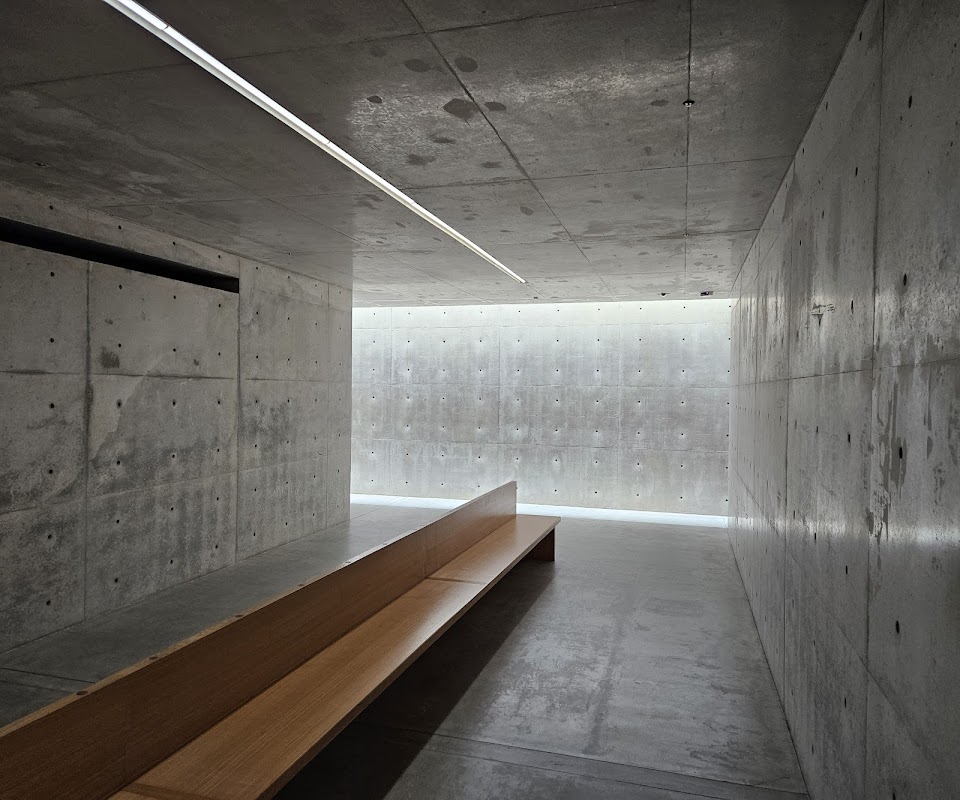
One of the highlights of a trip to Naoshima is undoubtedly the Chichu Art Museum. As its name, 'Art Museum Built Under the Earth,' suggests, this is a unique space designed by architect Tadao Ando with most of the building situated underground to preserve the natural landscape. Nevertheless, the subterranean spaces are illuminated solely by natural light pouring through the ceilings, offering a mysterious experience where the appearance of the artworks changes with time and season. Photography is strictly prohibited inside the museum, compelling visitors to capture the works only with their eyes and hearts. This aspect, paradoxically, encourages deeper immersion in the art.
The Chichu Art Museum exclusively features works by only three artists: Claude Monet, James Turrell, and Walter De Maria. In particular, Monet's <Water Lilies> series glows under natural light in a specially designed exhibition space, creating the illusion of stepping directly into the pond depicted in the artwork. James Turrell's light-based works provoke deep contemplation on the relationship between space and light, while Walter De Maria's colossal spheres and columns evoke a grand yet serene atmosphere. Each artwork perfectly blends with Tadao Ando's architecture, creating a space for meditation that transcends art itself.
- Admission Information: Online advance reservation is mandatory (no on-site purchase). Entry is limited by specific time slots.
- Viewing Tip: There is a section at the museum entrance where you remove your shoes and change into slippers, so comfortable footwear is recommended. Allocate ample time to fully appreciate the changing light.
2. Benesse House Museum: Coexistence of Nature and Art
A short bus ride from the Chichu Art Museum brings you to another masterpiece by Tadao Ando, the Benesse House Museum. This integrated museum and hotel concept embraces 'the coexistence of nature, architecture, and art,' blending seamlessly into the beautiful natural surroundings of the Seto Inland Sea. Inside the museum, various contemporary art pieces, including paintings, sculptures, and photographs, are displayed. Outdoors, numerous sculptural installations greet visitors along the beach and hills. Notably, Yayoi Kusama's <Yellow Pumpkin> has become an icon of Naoshima.
The greatest charm of the Benesse House Museum is that the artworks do not simply exist as exhibits but interact organically with their surroundings. Sculptures set against the backdrop of the sea reveal new expressions in the ever-changing light and wind, and the architecture itself feels like an integral part of nature. In addition to the museum, Benesse House offers various types of accommodation, including Oval, Park, and Beach, providing a special experience of spending a night amidst art.
- Admission Information: Open to non-hotel guests for museum viewing.
- Viewing Tip: After indoor viewing, be sure to stroll along the outdoor paths to appreciate the diverse installation artworks. The pieces lining the beach further enhance the sense of harmony with nature.
3. Lee Ufan Museum: A Space for Contemplation
The Lee Ufan Museum, born from the collaboration between world-renowned Korean artist Lee Ufan and Tadao Ando, is a space where one can fully experience his artistic world based on the 'Mono-ha' philosophy. Lee Ufan's works, which explore the relationship between nature and humanity, and the essence of existence using minimal materials such as stone and iron plates, resonate even deeper within Tadao Ando's simple yet grand architectural space. It is characterized by a quiet and meditative atmosphere, ideal for reflection.
4. Art House Project: The Entire Village as an Artwork
Located in the eastern part of Naoshima, the Honmura district is the heart of the Art House Project. Here, you can encounter artworks where artists have reinterpreted traditional houses that were long abandoned, breathing new life into them. It offers a unique experience where the entire village feels like one massive art museum.
- Key Works:
- <Kadoya>: Impressive LED counter artworks and pieces on the water surface installed in a renovated old private house.
- <Minamidera>: Designed by Tadao Ando, this building houses James Turrell's light artwork, offering a wondrous experience of light created in darkness.
- <Go'o Shrine>: Its underground space connected by glass stairs and the main shrine create a mysterious atmosphere.
- Viewing Tip: To efficiently visit multiple Art Houses, purchasing a multi-ticket is convenient. Each Art House is within walking distance, so we recommend strolling through the tranquil scenery of Honmura village as you explore.
Naoshima Complete Itinerary: 2-Day, 1-Night Recommended Route
We propose a 2-day, 1-night itinerary to perfectly experience Naoshima, the art island of the Seto Inland Sea. It is important to plan your route well for efficient travel and deep appreciation.
Day 1: A Feast of Tadao Ando's Architecture and Contemporary Art
- Morning: Arrive at Miyanoura Port in Naoshima by ferry from Takamatsu or Okayama. Take a commemorative photo with the red pumpkin sculpture near the port. Drop off your luggage at your accommodation or use a coin locker.
- Lunch: Enjoy a simple lunch at a restaurant near Miyanoura Port (e.g., Naoshima Burger or Udon).
- Afternoon: Travel to the Chichu Art Museum by museum shuttle bus or circulating bus. Enter at your pre-booked time and fully appreciate the works of Monet, Turrell, and De Maria.
- Late Afternoon: Walk or take the shuttle bus from the Chichu Art Museum to visit the Lee Ufan Museum. Experience the deep resonance in this contemplative space created by the collaboration between Tadao Ando and artist Lee Ufan.
- Evening: Enjoy the outdoor artworks around the Benesse House Museum, and have a luxurious dinner at one of the Benesse House restaurants (Terrace Restaurant or Japanese Restaurant), or return to Miyanoura Port for a local meal.
- Accommodation: Stay at an accommodation on Naoshima (Benesse House, Tsutsujiso, or a guesthouse).
Day 2: Art of Honmura Village and Peaceful Island Scenery
- Morning: After breakfast at your accommodation, head to the Honmura district to thoroughly explore the Art House Project. Purchase a multi-ticket to visit various artworks such as <Kadoya>, <Minamidera>, and <Go'o Shrine>.
- Lunch: Have lunch at a cozy cafe or restaurant within Honmura village (e.g., a light meal and rest at <Honmura Lounge & Cafe>).
- Afternoon: Enjoy discovering hidden murals or small galleries while strolling through Honmura village. Souvenir shopping is also recommended.
- Late Afternoon: Return to Miyanoura Port, take another commemorative photo in front of the red pumpkin, and depart for your next destination by ferry or return to Takamatsu/Okayama.
Practical Tips for Your Naoshima Trip
Island Transportation
On Naoshima Island, a circulating bus (Miyanoura Port – Honmura – Tsutsujiso) operates, and there is also a free shuttle bus (priority for Benesse House guests) that travels around the Benesse House area. However, to fully appreciate the island's beautiful scenery and artworks, we recommend renting a bicycle (near Miyanoura Port) or walking. Especially the path from the Chichu Art Museum to Benesse House is excellent for walking while enjoying outdoor artworks.
Accommodation Information
Spending a night on Naoshima is a crucial factor in enhancing your travel satisfaction. Benesse House provides a top-tier lodging experience integrated with the museum, while Tsutsujiso offers a unique glamping experience with Mongolian-style tents (paos) located on the beach. Additionally, there are many charming guesthouses and minshukus in Miyanoura Port and Honmura districts, so it's advisable to book in advance according to your budget and preferences. Reservations can be very difficult during peak season, so plan early.
Recommended Restaurants and Cafes
- Chichu Cafe: Located inside the Chichu Art Museum, where you can enjoy light meals and coffee while overlooking the Seto Inland Sea.
- Benesse House Restaurant: Offers dishes made with fresh local ingredients in an elegant atmosphere.
- Naoshima Burger: Near Miyanoura Port, you can taste unique handmade burgers made with local seafood.
- Aisunao: A restaurant located in the Honmura district, renovated from a traditional house, offering healthy set meals using local ingredients.
- Honmura Lounge & Cafe: A cozy space perfect for taking a break while visiting the Art House Project.
Admission Fees and What to Bring
Admission fees vary by major museum, and online advance reservation is mandatory for the Chichu Art Museum. For the Art House Project, purchasing a combined ticket is advantageous. Comfortable shoes are essential, and for outdoor art viewing, it's good to bring a hat or sunglasses and a water bottle to protect from the sun. Photography is prohibited inside the museums, so only capture external scenery and artworks with your camera.
Naoshima: An Island of Healing Gifted by Art and Nature
Naoshima is more than just a tourist destination; it is a special place that allows you to experience firsthand the value of healing and inspiration that art and nature bestow upon humanity. You will encounter the light of Claude Monet within Tadao Ando's architecture, discover artworks that have gained new life in a re-imagined village, and experience true relaxation amidst the tranquil scenery of the Seto Inland Sea. We sincerely hope this guide makes your Naoshima journey a richer and more memorable artistic pilgrimage. Create your own story on this beautiful island where art and nature intertwine.
Visitor Info
| 소요 시간 | 1박 2Sun (섬 내 숙박 1Sun, 이동 포함 2Sun) |
| 예산 (1인) | 약 30,000엔 ~ 50,000엔 (숙박 및 미술관 입장료, 교통비, 식비 포함) |
| 추천 시기 | 봄 (3Mon~5Mon) or 가을 (9Mon~11Mon) - 온Tue한 날씨와 세Sat내해 국제예술제 기간 |
| 추천 동선 | 미야노우라항 → 지중미술관 → 이우환 미술관 → 베네세 하우스 뮤지엄 (Outdoor 작품) → 아트 하우스 프로젝트 (혼무라 지구) → 혼무라 라운지앤 Café → 미야노우라항 |
| 교통편 | 다카마쓰 or 오카야마 from 페리 이용. 섬 내 순환 Bus, Free 셔틀Bus, 자전거 대여 or walk. |