Berlin Museum Island: Walking Through 5,000 Years of Human Civilization
Berlin Museum Island: Walking Through 5,000 Years of Human Civilization
Berlin's Museum Island: A UNESCO World Heritage Site
Berlin's Museum Island, located on the Spree River in the Mitte district, is a UNESCO World Heritage site housing five museums that collectively span 5,000 years of human civilization. It is easily accessible via Berlin's public transport network, including S-Bahn, U-Bahn, tram, and bus, with Friedrichstraße or Hackescher Markt stations being convenient stops.
This cultural complex offers an immersive journey through ancient civilizations to 19th-century European art. A minimum of one full day is recommended for a visit, with spring and autumn offering the most pleasant weather. An estimated budget of 50-70 Euros per person covers admission and meals.
The Neues Museum: Archaeology and Architectural Resilience
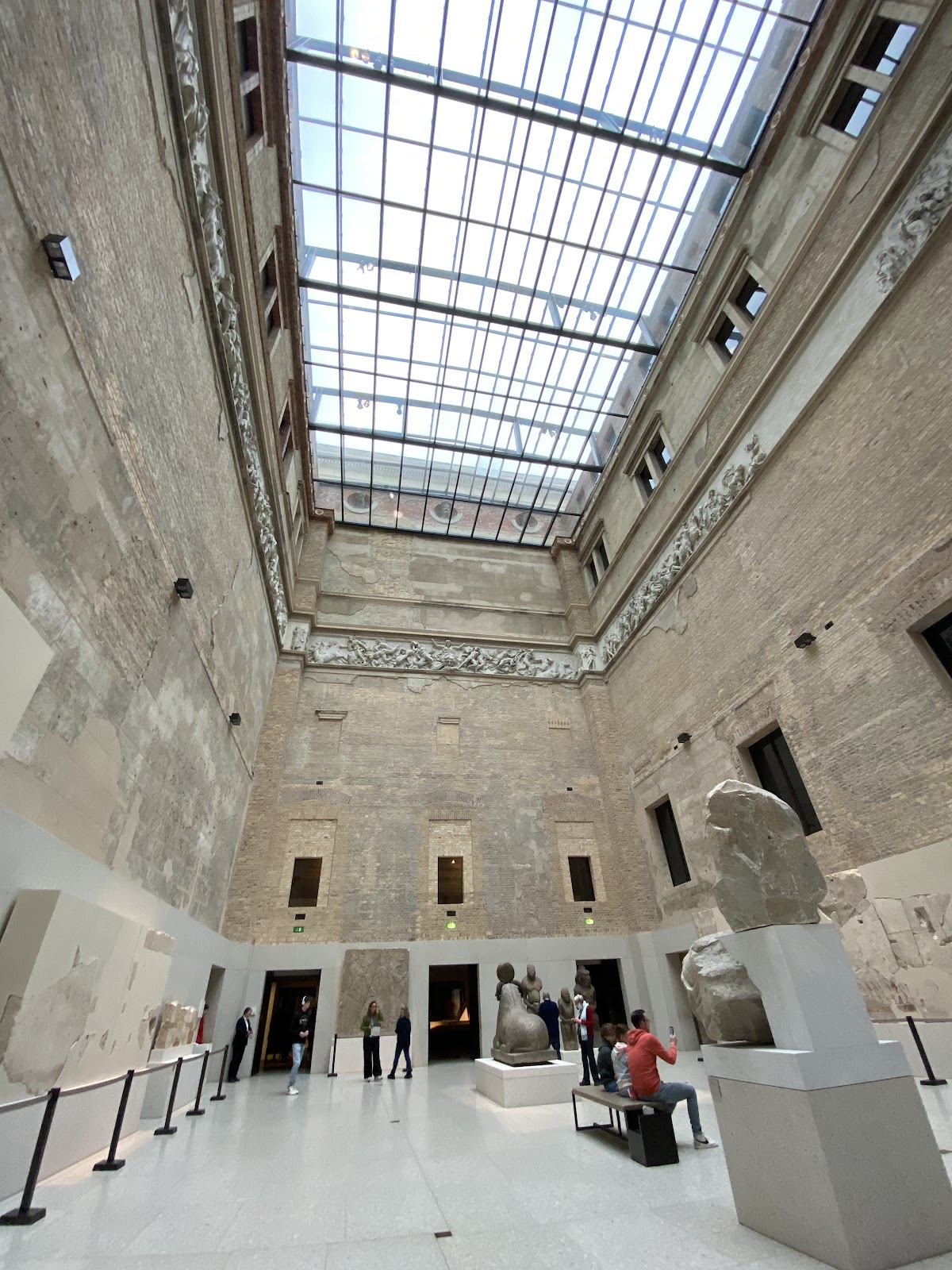
Situated at Bodestraße 1-3, the Neues Museum is a prominent archaeological museum on Museum Island. Opened in 1855, it was severely damaged during World War II and reopened in 2009 after extensive restoration by architect David Chipperfield. The museum's architecture uniquely blends preserved war scars with modern reconstruction, telling a story of resilience.
Its collection focuses on ancient Egypt, prehistory, and early history. The most celebrated artifact is the 'Bust of Nefertiti,' dating to approximately 1340 BC, renowned for its perfect symmetry and mysterious expression. Other significant exhibits include the 'Troy artifacts' discovered by Heinrich Schliemann, showcasing Mycenaean treasures, and comprehensive displays tracing human evolution from the Stone Age to the Iron Age.
The Pergamon Museum: Monumental Ancient Reconstructions
The Pergamon Museum, also at Bodestraße 1-3, is a monumental institution known for its vast architectural reconstructions and archaeological artifacts. It offers a unique experience by presenting full-scale ancient structures, allowing visitors to walk through the grandeur of past civilizations from the Near East and the Hellenistic world.
Key exhibits include the 'Ishtar Gate' from 6th-century BC Babylon, featuring blue glazed bricks adorned with lions, dragons, and bulls. The 'Mshatta Palace Facade,' an intricate example of Umayyad Islamic architecture from Jordan, is another highlight. The 'Pergamon Altar Hall' is currently closed for renovation. The museum operates daily from 10:00 to 18:00, with extended hours until 20:00 on Thursdays. Admission is 12 Euros.
The Alte Nationalgalerie: 19th-Century European Art
Located at Bodestraße 1-3, the Alte Nationalgalerie stands with a classical, temple-like facade. It houses a comprehensive collection of 19th-century European art, spanning Neoclassicism, Romanticism, Impressionism, and early Modernism. This gallery provides crucial insights into the development and transition of European art during this period.
Notable works include those by German Romantic master Caspar David Friedrich, such as 'Monk by the Sea' and 'Wanderer Above the Sea of Fog,' which explore themes of solitude and awe of nature. The Impressionist section features works by Monet and Renoir, capturing light and fleeting moments. Sculptures by Rodin also convey profound human emotion. The gallery is closed on Mondays and open Tuesday to Sunday from 10:00 to 18:00. Adult admission is 10 Euros.
Planning Your Visit to Museum Island
To maximize your experience, consider purchasing a 'Museum Island Pass' for cost-effectiveness, especially if visiting multiple museums. Online booking is highly recommended, particularly for the Neues and Pergamon Museums, to avoid long queues. Operating hours are generally 10:00 to 18:00, with extended hours on Thursdays, but it is advisable to check individual museum websites for specific details, as most are closed on Mondays.
Public transport offers excellent access: the U5 Museumsinsel station is direct, while Friedrichstraße (U6, S-Bahn) or Hackescher Markt (S-Bahn) stations allow for a short walk or bus transfer. Buses 100 and 200 also stop at Lustgarten or Museumsinsel. The Hackescher Markt area and Unter den Linden street offer numerous dining options. Comfortable shoes are essential for exploring the extensive collections, and audio guides can enhance understanding.
Visitor Info
| Estimated Visit | Translating |
| Translating | Translating |
| Translating | Translating |
| Recommended Route | Translating |
| Transport | Translating |