Cologne Museum Ludwig — Where Art and History Breathe
Cologne Museum Ludwig: A Special Place Where Art and History Breathe
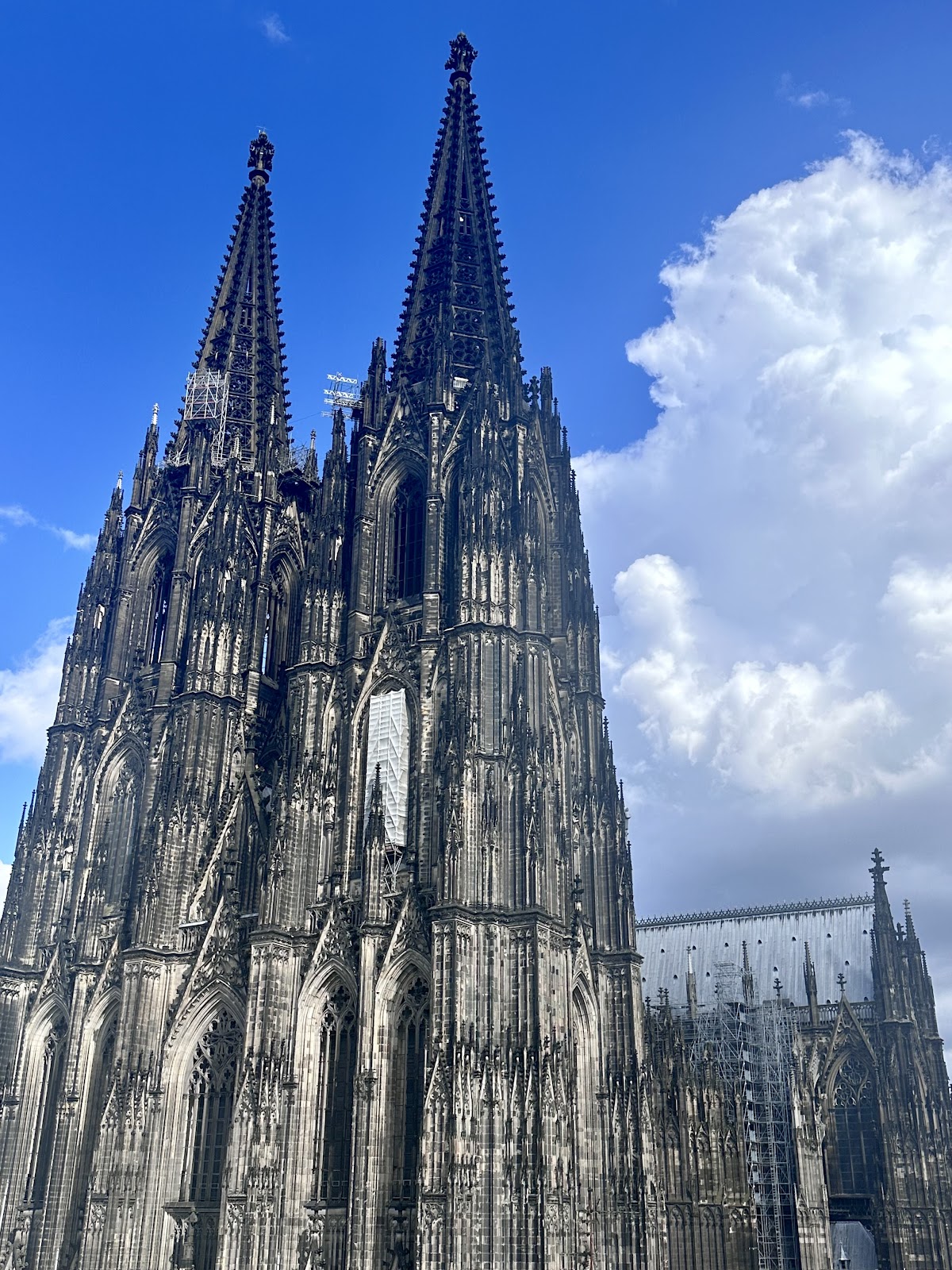
Nestled in the heart of Cologne, right beside the majestic Gothic spires of Cologne Cathedral, the Museum Ludwig transcends a mere exhibition space for artworks. It is a vibrant treasure trove where the very breath of 20th-century modern art can be fully felt, a cultural sanctuary that has blossomed with contemporary culture within Cologne's rich historical tapestry. The astonishing 4.8-star rating from an overwhelming number of visitor reviews unequivocally demonstrates how profound and moving the artistic experience here truly is. After catching your breath before the overwhelming grandeur of the Cathedral, the modern and sophisticated exterior of Museum Ludwig, which immediately draws your gaze, appears like a masterpiece in itself. Within this powerful contrast and harmony, you can truly feel the unique charm of Cologne, where ancient and modern coexist.
Established in 1976, based on the generous donation of Peter Ludwig, a respected local entrepreneur and tireless art collector, and his wife Irene, the museum boasts a world-class, extensive collection of 20th-century art, particularly Pop Art and German Expressionism. Throughout their lives, the Ludwigs meticulously collected thousands of modern artworks with discerning eyes, and their noble spirit of sharing these works with the public, beyond mere accumulation, transformed Cologne into a global hub for contemporary art. Their passion went beyond simple material donation, embodying a lofty philosophy of enriching the human spirit through art.
The museum's architecture is also an unmissable highlight. Since its opening in 1986, the building, designed by architect Oswald Mathias Ungers, has undergone several expansions and renovations, yet it has retained its inherent modern sensibility and functionality. Natural light pouring through large glass windows brightly illuminates the interior spaces, breathing vibrant life into the artworks. Each exhibition area is meticulously designed to suit the characteristics and atmosphere of the works, encouraging visitors to deeply immerse themselves in the art and fully grasp the artist's intentions. The harmony of sturdy yet elegant concrete, glass, and steel frames presents a different, modern beauty compared to the grand stone architecture of Cologne Cathedral, elevating the museum itself into a work of art.
The Dazzling Energy of Pop Art: Stirring the Heart of Popular Culture
The moment you step into the museum, you will feel an exhilarating sensation, as if embarking on a journey through time. The Pop Art collection on the first floor, in particular, offers a visually striking impact and a vibrant energy. The works of Pop Art masters Andy Warhol and Roy Lichtenstein boldly drew vibrant colors and icons of popular culture into the realm of art, delivering a fresh shock and profound messages of reflection to society at the time. Warhol's iconic 'Marilyn Monroe' series encapsulates sharp insights into the consumption of mass-produced images, the myth of celebrity, and modern human desires, while his 'Campbell's Soup Cans' series elevates everyday objects to art, questioning the very essence of art. Lichtenstein's works distinctively feature sharp outlines and Ben-Day dots, as if magnifying a scene from a comic book. His works like 'Whaam!' humorously express a cynical view of war and consumer culture, prompting viewers to feel a sense of lightness while deeply contemplating aspects of modern society. This space vividly demonstrates how art permeated life in the mid-20th century amidst explosive economic growth and the development of mass media. The visual stimulation and playful provocation fully convey the unique charm of Pop Art, offering visitors an unforgettable experience.
German Expressionism: Inner Echoes and the Anguish of an Era
Where the cheerfulness of Pop Art recedes, the museum guides us into the raw and primal world of German Expressionism, which fully embodies the anxieties and passions of early 20th-century German society. In particular, the works of artists representing 'Die Brücke' (The Bridge) such as Ernst Ludwig Kirchner, Erich Heckel, and Karl Schmidt-Rottluff, express inner anguish and the dark shadows of urban civilization through intense colors and distorted forms. The rough brushstrokes and sharp forms felt in their works profoundly stir the viewer's emotions, conveying a vivid sense of the artists' desperate cries and anxieties of that era. The new modes of expression pursued by artists amidst the turmoil of German society before and after World War I, personal alienation, and the collapse of traditional values, remain as powerful echoes in their works. Wandering through this space, amidst the heavy atmosphere created by dark and intense colors, you will confront fundamental questions about human existence. If Pop Art explored the surface of popular culture, Expressionism unflinchingly reveals the deep emotions and dark facets of society hidden beneath.
Picasso's Infinite Transformations: A Journey of Artistic Exploration
Another pride of Museum Ludwig is its possession of Europe's largest Pablo Picasso collection. Comprising over 700 works, it guides you through his infinite transformations and continuous journey of exploration throughout his artistic life, from the melancholic atmosphere of his early Blue Period, to the delicate emotions of the Rose Period, the experimental forms of Cubism which brought revolutionary change to art history, and his free and intense expressions in his later years. Picasso's works, realized through diverse media such as painting, sculpture, ceramics, and printmaking, unequivocally showcase his genius and audacious ventures across genres. The Picasso encountered here is not merely a master who dominated an era, but a true revolutionary who constantly dismantled the boundaries of art and pioneered new horizons. Following his works through each period to observe how his artistic world evolved and developed offers a profound experience, as if tracing Picasso's life and thoughts. The anguish and exhilaration felt amidst the changes in vibrant colors and forms bestow deep emotion upon visitors.
Late 20th and 21st Century Contemporary Art: Dialogue with Our Times
As you ascend to the second and third floors of the museum, you will encounter the diverse currents of modern art from the late 20th century to the present. From Abstract Art, Conceptual Art, Minimalism, and Postmodernism to contemporary art, works imbued with the experimental spirit and profound thoughts of pioneering artists unfold. This space goes beyond mere beauty, exploring complex issues of modern society and fundamental questions of the human inner self through artistic language. While some works may at times seem challenging or abstract, the very process of patiently contemplating the artist's intentions and striving to decipher the messages embedded within them becomes an unforgettable artistic experience. From intense visual shocks to conceptual works demanding contemplation, the diverse spectrum offered by contemporary art provides us with new perspectives and insights, enabling a deep dialogue with the art of our time. In this silent conversation, we respond to the questions posed by art and re-examine our own existence and the world around us.
Special Exhibitions and Useful Visiting Tips: How to Savor Art in Cologne
In addition to its permanent collection, Museum Ludwig regularly hosts special exhibitions, offering in-depth explorations of specific artists or themes. It is highly recommended to check the museum's official website in advance to ascertain information about current special exhibitions. Large-scale solo exhibitions by renowned artists or exhibitions focusing on specific art movements can be rare and valuable opportunities not to be missed. Special exhibitions often require advance booking, so if you are interested, we recommend securing your tickets promptly.
Recommended Visiting Time and Route:
To fully appreciate Museum Ludwig, it is advisable to dedicate at least 3 to 4 hours. If you desire a deeper understanding of modern art or wish to thoroughly explore special exhibitions, dedicating a full day will be a choice you won't regret. The museum is generally less crowded on weekday mornings, so if you prefer a more relaxed and focused viewing experience, consider visiting during this time. Renting an audio guide at the entrance can significantly enhance your understanding of the artworks. We also encourage you to take a moment to rest on the comfortable chairs or benches provided on each floor, quietly contemplating the art.
Accessibility and Surrounding Facilities:
The museum is conveniently located approximately a 10-minute walk from Cologne Central Station (Köln Hauptbahnhof), making it highly accessible. Situated right next to Cologne Cathedral, planning an itinerary that allows you to experience both the grandeur of the Cathedral and the subtlety of modern art is most efficient. After first admiring the Cathedral and being overwhelmed by the majesty of ancient architecture, transitioning to the museum to shift your gaze to the vibrant colors and diverse forms of modern art will offer an unforgettable contrasting experience.
Inside the museum, there is a spacious and pleasant café, perfect for a brief break during your art viewing to enjoy a cup of coffee. Reflecting on the artworks you've just seen amidst the subtle aroma of coffee will also be a wonderful experience. Additionally, the gift shop offers a variety of souvenirs, such as posters, catalogs, and related books of your favorite artworks. It's also fun to look for small items reflecting Cologne's local character.
Travel Tips for Visitors:
When visiting Cologne, we strongly recommend purchasing the KölnCard. This card allows you free use of public transportation and offers discounts on admission fees to many museums and art galleries, including Museum Ludwig, which will greatly assist in making your trip more economical. Around the museum, there are numerous traditional Brauhaus (breweries) and cozy restaurants where you can savor Cologne's specialty, Kölsch beer. Particularly, restaurants along the Rhine River offer delicious meals with beautiful riverside views. After visiting the museum, strolling through Cologne's Old Town (Altstadt) and exploring its historic buildings and charming shops will also create lasting memories.
A Place of Emotion Where Art and Life Intersect
Cologne's Museum Ludwig is more than just a repository of artworks; it is a special cultural sanctuary where one can feel the dynamic currents of 20th-century art, the passion of the people who breathed life into it, and messages that transcend eras. Here, we can listen to the questions posed by artists of the past and glimpse the future possibilities unveiled by contemporary art. If you visit Cologne, we sincerely recommend experiencing this captivating treasury of art to engage in a deep artistic dialogue that will inspire your life. It will bestow unforgettable artistic emotion and intellectual fulfillment upon your Cologne journey.
Visitor Info
| Admission | Adult: 18유로 / discount: 12유로 (Student, disabled 등) |
| Hours | Tue요Sun-Sun요Sun: 10:00 - 18:00 (Fri요Sun: 10:00 - 22:00), Mon요Closed Sun |
| Location | Bischofsgartenstr. 1, 50667 Köln, Germany |
| Getting There | 쾰른 중앙Stn(Köln Hbf) from walk 약 10min, 대중교통 이용 편리 |
| Estimated Visit | 최소 3-4hr 권장, 여유롭게 감상 시 하루 추천 |