Van Gogh in Amsterdam: Walking Between His Tears and Sunflowers
Van Gogh in Amsterdam: Walking Between His Tears and Sunflowers
Museumplein: Amsterdam's Cultural Hub
Museumplein, located in the southern part of Amsterdam, serves as the city's vibrant cultural heart. This expansive green space is home to major cultural institutions, including the Rijksmuseum, the Concertgebouw, the Van Gogh Museum, and the Stedelijk Museum. The area blends upscale residential zones with bustling commercial districts, contributing to the city's dynamic atmosphere. Easily accessible by tram from Amsterdam Centraal Station, Museumplein offers a central point for experiencing Amsterdam's art and history.
Van Gogh Museum: A Deep Dive into an Artist's Soul
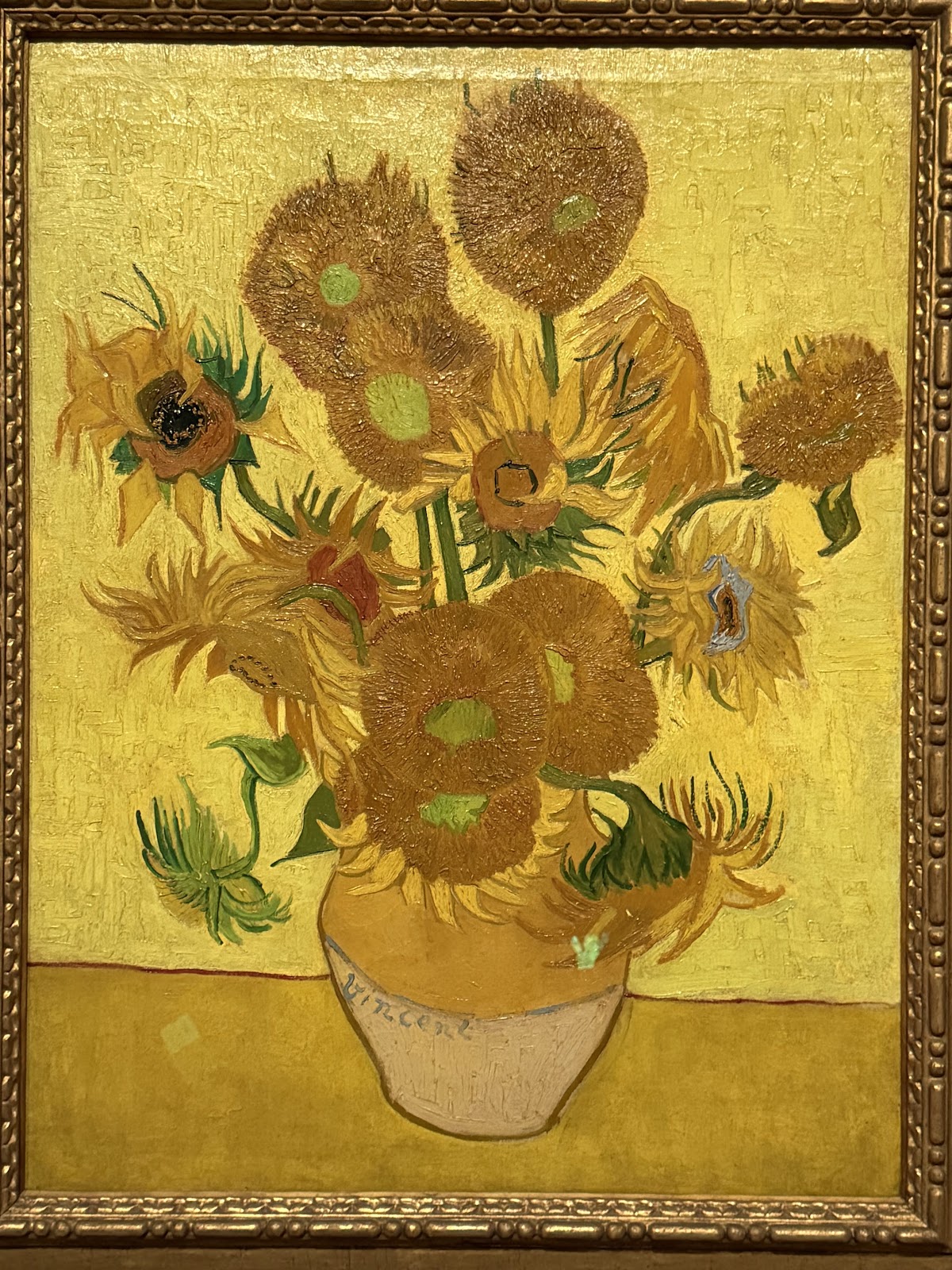
The Van Gogh Museum, situated at Museumplein 6, 1071 DJ Amsterdam, is dedicated to the comprehensive study and exhibition of Vincent van Gogh's oeuvre. Opened in 1973, the museum houses over 200 paintings, 500 drawings, and 500 letters by the artist. Key works like 'The Potato Eaters' and 'Sunflowers' are central to its collection, alongside numerous self-portraits that reveal his inner turmoil and artistic evolution. The museum's chronological layout guides visitors through Van Gogh's life, from his early Dutch period to his final, intense years in France.
The museum's collection of letters, particularly those exchanged with his brother Theo, provides invaluable insights into Van Gogh's thoughts, emotions, and artistic philosophy. These personal documents illuminate the context behind his masterpieces, allowing visitors to connect deeply with his creative process and struggles. The architecture, with its main building designed by Gerrit Rietveld and a later exhibition wing by Kisho Kurokawa, provides a fittingly modern yet contemplative space for his powerful works.
Stedelijk Museum: Modern and Contemporary Art's Dynamic Core
Adjacent to the Van Gogh Museum at Paulus Potterstraat 13, 1071 CX Amsterdam, stands the Stedelijk Museum, a leading institution for modern and contemporary art and design. Established in 1874, the museum boasts a vast collection of over 90,000 works, spanning from the late 19th century to the present day. Its collection includes pieces by international masters such as Kazimir Malevich, Jackson Pollock, Piet Mondrian, Marc Chagall, and Pablo Picasso, alongside significant Dutch artists.
The museum's architecture is a striking blend of its original 19th-century red-brick building and a dramatic, white, bathtub-shaped extension completed in 2012 by Benthem Crouwel Architects. This iconic 'Badkuip' (bathtub) structure provides expansive, light-filled spaces ideal for large-scale installations and media art, contrasting with the more traditional galleries of the older wing. The Stedelijk Museum offers a journey through the evolution of modern art, showcasing its dynamism and experimental spirit within a visually compelling architectural setting.
Visiting Information and Suggested Itinerary
Both the Van Gogh Museum and the Stedelijk Museum are conveniently located on Museumplein, making them ideal for a combined visit. Online ticket booking is highly recommended for both, especially for the Van Gogh Museum, where on-site tickets are rarely available. Admission for adults is approximately €20-€22.50, with free entry for visitors under 18. Both museums suggest a viewing time of around 2 hours each.
A recommended itinerary involves visiting the Van Gogh Museum in the morning to immerse oneself in his profound artistic journey, followed by an afternoon exploration of the Stedelijk Museum's diverse modern and contemporary collections. Both museums offer cafes for refreshments, and the surrounding Museumplein area provides numerous dining options. This allows for a full day of rich artistic discovery in Amsterdam's cultural heart.
Visitor Info
| Estimated Visit | Translating |
| Translating | Translating |
| Recommended Route | Translating |