Singapore, Where the Heart of Southeast Asian Art Beats: Connecting Past, Present, and Future
There are places in the world that don't just house art; they embody it, breathe it, and pulse with the very history they seek to preserve and present. For me, Singapore's National Gallery is one such extraordinary destination, a cultural beacon that stands as a profound testament to the rich, complex tapestry of Southeast Asian artistic expression. It's not merely a building; it’s a meticulously curated journey through time, a dialogue between monumental architecture and the vibrant narratives held within its walls. From the moment I first approached its grand façade, I sensed I was about to step into a story far larger than myself, a living chronicle of a region's creative soul.
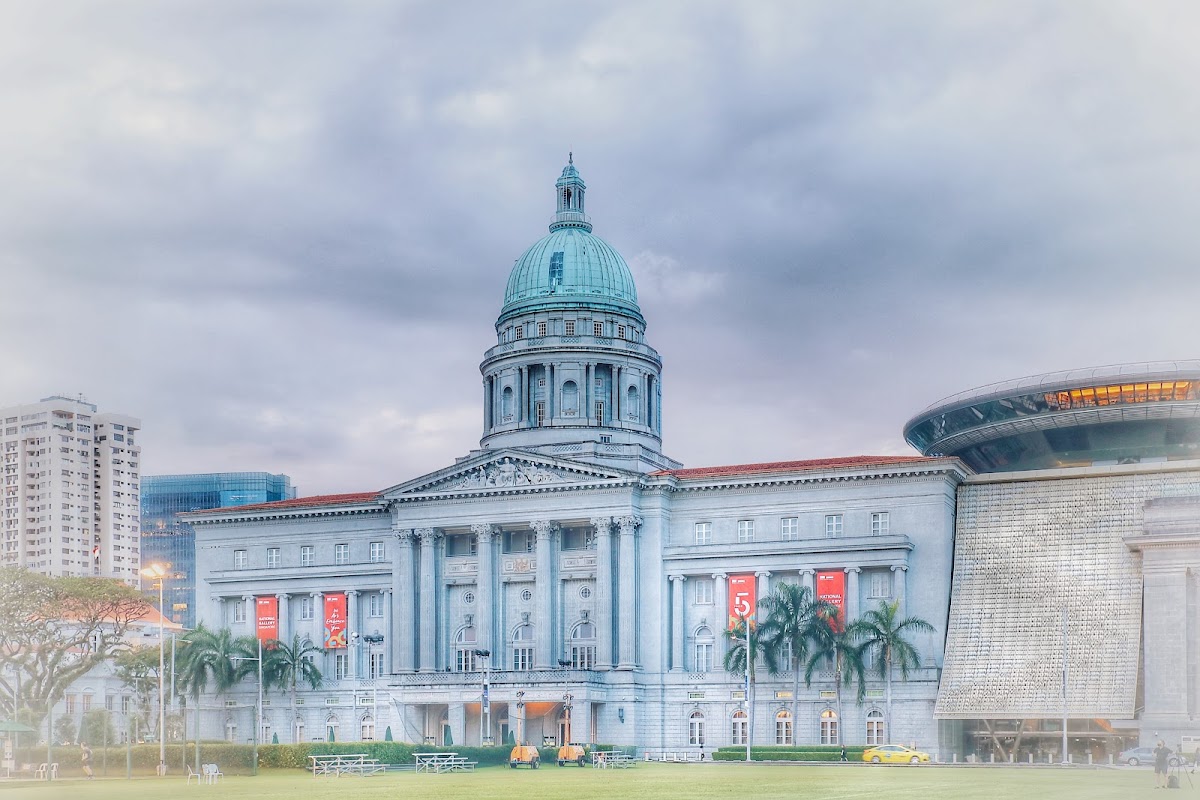
The story of the National Gallery Singapore begins long before any brushstroke graced its canvases, etched into the very stones of its magnificent home. It is a brilliant architectural fusion, an ambitious transformation of two iconic colonial-era edifices: the former City Hall and Supreme Court. To walk through their colossal corridors is to physically traverse Singapore’s own tumultuous journey from colonial outpost to sovereign nation. The City Hall, where Lord Mountbatten accepted the Japanese surrender in 1945 and where Singapore’s first Prime Minister, Lee Kuan Yew, declared self-governance, resonates with profound historical echoes. Across a meticulously designed linkway, the former Supreme Court, with its neoclassical grandeur and towering columns, once housed the highest judicial authority, its solemn chambers now repurposed to celebrate a different kind of justice – the justice of artistic recognition for a diverse region.
What strikes me most about this architectural marvel is not just the preservation of its past, but the ingenious way contemporary design has been woven into its fabric. The vast, soaring atrium, crowned by a breathtaking, shimmering canopy of interconnected steel and glass, acts as a luminous heart, bathing the historical interiors in a soft, ethereal light. This modern intervention doesn't overshadow the past; it elevates it, creating a seamless flow between the dignified gravitas of the old structures and the expansive, forward-looking vision of the gallery. I found myself repeatedly looking up, mesmerized by the interplay of light and shadow, the way the sun’s rays danced off the original stone and the sleek new materials, making the entire space feel alive, breathing. It’s a testament to architectural ingenuity, a brilliant conversation between heritage and innovation, between the colonial imprint and Singapore’s assertive modernity.
Moving deeper into the gallery, the sheer scale of its ambition becomes evident. This is no mere repository of paintings; it is a meticulously researched and passionately presented narrative of Southeast Asian art from the 19th century to the present day. I remember lingering for what felt like hours in the "Between Worlds" exhibition, a powerful exploration of early modern art from the region. Here, I encountered the captivating brushstrokes of Raden Saleh, whose dramatic, Romantic canvases from the Dutch East Indies speak volumes of colonial encounters and individual resilience. Then there were the vibrant, often poignant works of artists like Georgette Chen and Cheong Soo Pieng, pioneers who brought Cubist and Nanyang styles to Singapore, blending Western techniques with local sensibilities and subject matter. Their art wasn't just beautiful; it was a profound window into the anxieties, aspirations, and unique cultural identity forging in a rapidly changing world.
The experience is intensely personal, almost meditative. Each gallery, each room, offers a new perspective, a different voice. I found myself drawn to the "Siapa Nama Kamu?" (What is Your Name?) exhibition, a foundational display that traces the emergence of Singaporean art. It’s a powerful declaration of identity, a journey through the political and social landscapes that shaped the nation’s artistic output. The art here isn't just about aesthetics; it’s about nation-building, about grappling with identity in a post-colonial era, about the universal human experience filtered through a distinctly Southeast Asian lens. I recall standing before a series of works depicting daily life, a market scene or a kampung house, and feeling an immediate connection, a recognition of shared humanity despite geographical and cultural distances.
Beyond the core collections, the National Gallery continually surprises with its dynamic programming and commitment to fostering a broader appreciation for art. The rooftop gardens, offering panoramic views of the Marina Bay skyline and the Padang below, provide a serene escape and a unique vantage point to appreciate the city’s architectural evolution. It’s a place where I could reflect on the art I’d just seen, allowing the vibrant colours and profound stories to settle, while the gentle breeze provided a refreshing contrast to the intensity of the art-filled halls. The Gallery also thoughtfully integrates contemporary installations and performance art, ensuring that its dialogue with the present and future remains as vibrant as its engagement with the past. It’s a living, breathing entity, constantly evolving, inviting visitors not just to observe, but to participate in the ongoing story of art.
Leaving the National Gallery Singapore, I carried with me not just images of beautiful art, but a deeper understanding of a region, a profound respect for its history, and a renewed appreciation for the power of human creativity. It’s a place that transcends the traditional museum experience, transforming itself into a vibrant forum where past glories meet future aspirations, where every brushstroke, every sculpted form, and every architectural detail sings a song of connection, bridging epochs and cultures. It truly is where the heart of Southeast Asian art beats, strong and clear, inviting us all to listen.
Practical Tips for Your Visit
The National Gallery Singapore is located in the heart of the Civic District, easily accessible and a must-visit. Its address is 1 St Andrew's Rd, Singapore 178957.
Opening Hours: Typically, the Gallery is open daily from 10 AM to 7 PM. However, it's always wise to check their official website for the most current timings, especially for public holidays or special exhibition hours.
Admission: Entry to the permanent galleries is free for Singapore Citizens and Permanent Residents. For international visitors, there is an admission fee, which usually covers access to all permanent and most special exhibitions. Combination tickets are often available. Concessions are offered for seniors, students, and children.
Getting There: The Gallery is incredibly well-connected by public transport. The nearest MRT stations are City Hall (North-South Line and East-West Line) and Clarke Quay (North East Line). From City Hall MRT, it’s a short, pleasant walk through the underground linkway or above ground past the Padang. Numerous bus services also stop directly outside the Gallery.
Exploring the Gallery: Given its size, allocate at least 3-4 hours to properly explore the permanent collections, and more if you plan to see special exhibitions. Free guided tours are often available at scheduled times; inquire at the information counter upon arrival. Don't miss the Supreme Court Terrace on Level 5 for stunning views of the city skyline, including Marina Bay Sands.
Dining and Shopping: The Gallery houses a range of dining options, from casual cafes to upscale restaurants, perfect for a break or a meal. The Gallery & Co. museum store offers a thoughtfully curated selection of art books, local designs, and souvenirs, ideal for finding a unique memento of your visit.
Accessibility: The National Gallery is fully accessible, with lifts and ramps throughout the complex, ensuring a comfortable experience for all visitors.
Visitor Info
| Estimated Visit | 3~4Sun (박물관 집중 탐방) |
| 예산 | 1인당 SGD 800-1,200 (항공권 및 숙박 제외) |
| 추천 동선 | 싱가포르 국립 갤러리 → 마리나 베이 샌즈 & 아트사이언스 뮤지엄 → 주변 문Tue지구 |