Brooklyn Museum: A Treasure Trove Where Art and History Come Alive
Brooklyn Museum: A Treasure Trove Where Art and History Come Alive
The Brooklyn Museum: A Cultural Hub in New York City
Located at 200 Eastern Pkwy in Brooklyn, New York, the Brooklyn Museum stands as a prominent general museum renowned for its exceptionally diverse and comprehensive collections. It serves as a vital cultural institution, enriching the local community and engaging with the global art world through its exhibitions, educational programs, and scholarly research. The museum is easily accessible via subway, with the Eastern Pkwy/Brooklyn Museum station directly connecting to its entrance. Its proximity to Prospect Park and the Brooklyn Botanic Garden further enhances its appeal, offering a unique blend of art and nature.
A Legacy of Art and History
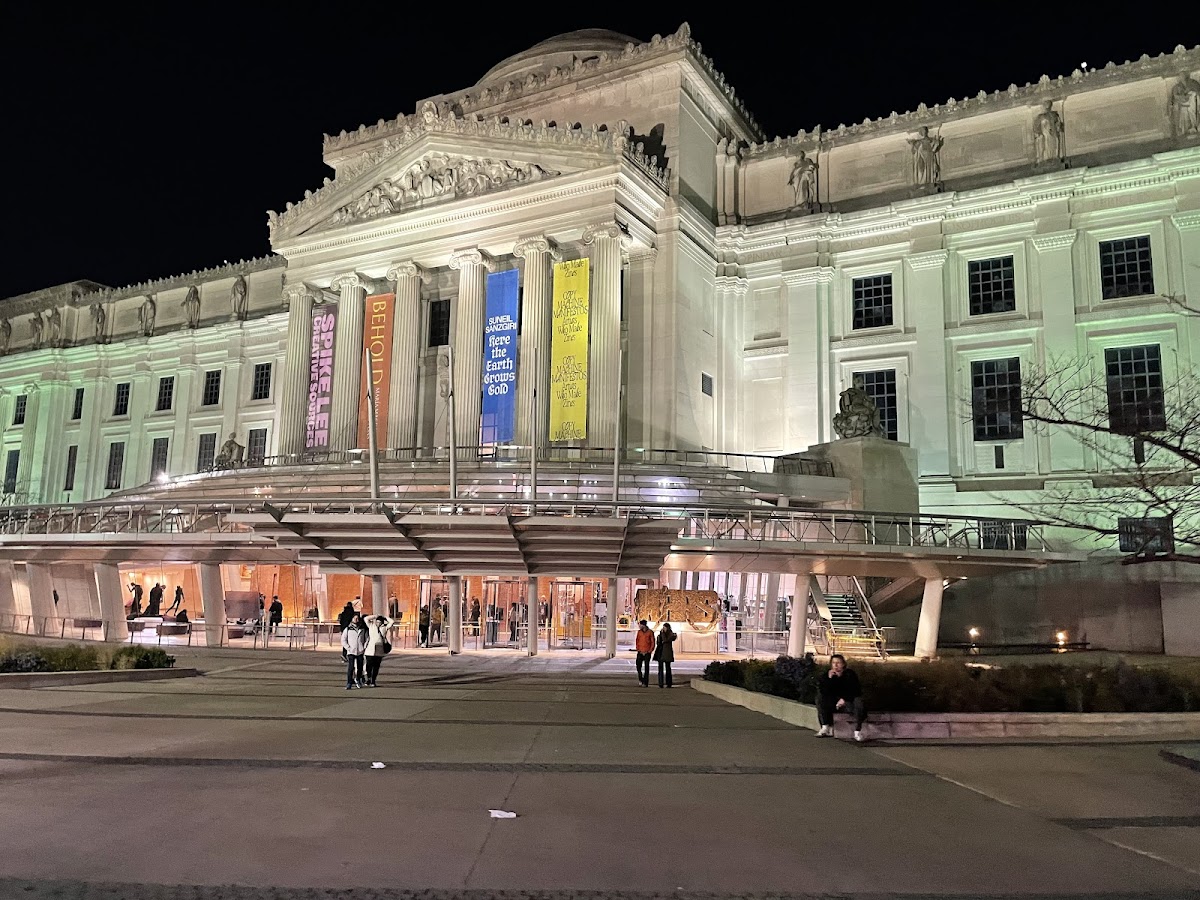
Established in 1897 as part of the Brooklyn Institute of Arts and Sciences, the museum quickly grew into an independent entity, aiming to be a "hall of all disciplines." Its neoclassical architecture, built in the late 19th century, presents a grand and imposing facade, reminiscent of ancient temples. Inside, high ceilings, wide corridors, and abundant natural light create an open and inviting atmosphere. The museum's efficient layout guides visitors through its vast collections, making exploration a seamless experience. The "Grand Arch" serves as a symbolic passage, connecting past and present within its walls.
Diverse Collections Spanning Millennia
The Brooklyn Museum boasts significant holdings across various fields. Its Egyptian antiquities collection is particularly outstanding, often referred to as the "Brooklyn Museum of Egyptian Art." It features an extensive array of artifacts, including mummies, sarcophagi, papyri, and monumental sculptures like the statue of the goddess Sekhmet. The American art galleries, with their period rooms, offer intimate glimpses into American life and aesthetics from colonial times to the Gilded Age, including works such as Albert Bierstadt's "The Rocky Mountains, Lander's Peak."
The museum is also a leader in feminist art, housing the Elizabeth A. Sackler Center for Feminist Art. This center is home to Judy Chicago's iconic installation, "The Dinner Party," a powerful symbol of the feminist art movement that celebrates the contributions of historical women. Beyond these, the museum's collections encompass a broad spectrum of global cultures, including African, Islamic, and Asian art, reflecting Brooklyn's own multicultural identity. These diverse holdings underscore the museum's commitment to a wide range of artistic expression and historical narratives.
Community Engagement and Visitor Information
The Brooklyn Museum actively engages with its community through programs like "First Saturday," a free evening event held on the first Saturday of each month. This popular event transforms the museum into a vibrant hub with live music, dance performances, film screenings, and artist talks, making art accessible to a wider audience. The museum's operating hours are Wednesday through Sunday, 11 AM to 6 PM, with extended hours for "First Saturday" (check the official website for details). General admission is $16 for adults, $10 for students and seniors, and free for visitors under 19. Online reservations are recommended but not always mandatory. Visitors are advised to allocate at least 3-4 hours to explore the extensive collections, with a full day recommended for a comprehensive experience. Numerous dining options are available in the nearby Park Slope area, as well as a cafeteria within the museum itself.
Visitor Info
| Location | 200 Eastern Pkwy, Brooklyn, NY 11238, USA |
| Hours | Translating |
| Admission | Translating |
| Getting There | Translating |
| Estimated Visit | Translating |
Featured Works

앨버트 비어슈타트 (Albert Bierstadt)
로키산맥의 폭풍, 로잘리 산 (A Storm in the Rocky Mountains, Mt. Rosalie)
로키산맥의 웅장한 풍경을 그린 대형 풍경화

앙리 마티스 (Henri Matisse)
모자를 쓴 여인 (Femme au Chapeau)
야수파의 시작을 알린 대담한 색채의 초상화

주디 시카고 (Judy Chicago)
디너 파티 (The Dinner Party)
여성사를 기리는 페미니스트 미술의 기념비적 설치 작품