Porto: Modern Portuguese Art Amidst Wine and Azulejos
Porto: Modern Portuguese Art Amidst Wine and Azulejos
Porto: Serralves Museum of Contemporary Art – A Dialogue of Architecture, Nature, and Art
Located approximately 6 km northwest of Porto's historic city center, the Serralves Museum of Contemporary Art offers a unique cultural experience amidst the vibrant city known for its wine and azulejos. The museum is situated within the vast 18.4-hectare Parque de Serralves, creating a harmonious complex that includes the museum building and the elegant Art Deco mansion, Casa de Serralves.
The Serralves Estate and Foundation
The history of Serralves traces back to the 1920s with the construction of Casa de Serralves, an Art Deco masterpiece reflecting the lifestyle of Portugal's elite. The Serralves Foundation was established in 1989, aiming to collect, exhibit, and promote contemporary art. The museum, inaugurated in 1999, became a pivotal institution for engaging with contemporary artistic practices both nationally and internationally.
Álvaro Siza Vieira's Architectural Vision
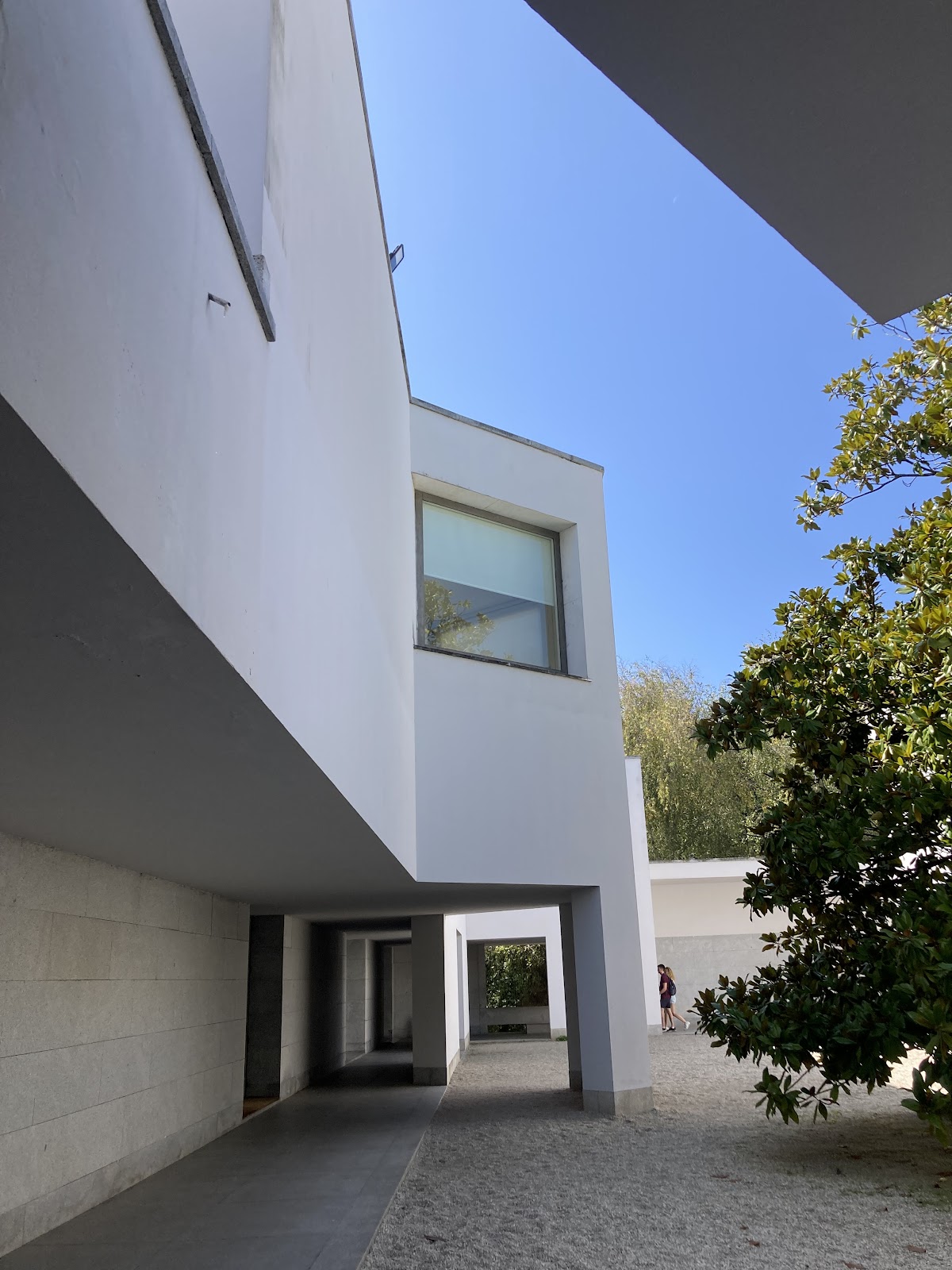
The museum building was designed by Pritzker Prize-winning Portuguese architect Álvaro Siza Vieira. His design emphasizes a minimalist approach and seamless integration with the surrounding natural landscape. The white concrete structure appears to emerge from the ground, harmonizing with the park's greenery. Siza Vieira's masterful use of natural light, filtered through strategically placed windows and skylights, creates a dynamic interplay of light and shadow, bringing the artworks to life.
Collection and Exhibitions
Serralves Museum of Contemporary Art houses a significant collection spanning various media and artistic movements from the mid-20th century to the present day, with a particular focus on Portuguese artists. The collection includes paintings, sculptures, photography, video art, and installations, providing a comprehensive overview of contemporary Portuguese art. The museum also hosts diverse temporary exhibitions, showcasing the latest trends in contemporary art and fostering dialogue between local and international artists.
Parque de Serralves: An Open-Air Museum
Beyond the museum building, the 18.4-hectare Parque de Serralves functions as a vast open-air museum. Contemporary sculptures are integrated throughout the park, offering unexpected artistic encounters amidst lawns, forests, and ponds. The 'Tree Canopy Walk' provides visitors with a unique perspective, allowing them to view the park and its artworks from above the treetops. The park's diverse flora and thoughtful landscaping create a serene environment where art and nature coexist.
Casa de Serralves: Art Deco Heritage
The pink-hued Art Deco mansion, Casa de Serralves, stands as a historical counterpoint to the modern museum. Completed in the 1930s, it offers insights into Portugal's past while occasionally serving as a unique venue for contemporary art exhibitions. This blend of historical architecture and modern art underscores Serralves' commitment to bridging tradition and innovation.
Visitor Information
The museum is located at R. Dom João de Castro 210, 4150-417 Porto, Portugal. Operating hours are generally 10:00-18:00, with extended hours during summer and on weekends/holidays. It is advisable to check the official website for the most up-to-date information, as Monday closures are common. Admission for adults is approximately 12 EUR, with discounts for seniors and students. Online booking is recommended for potential benefits.
A visit to the museum alone typically takes 1.5-2 hours, while exploring the entire Serralves complex, including the park, may require 3-4 hours. Public transport options include STCP buses (201, 203, 207, 504) to the 'Serralves' stop, or a combination of Metro (Casa da Música station) and bus/walk.
Visitor Info
| Estimated Visit | Translating |
| Translating | Translating |
| Translating | Translating |
| Recommended Route | Translating |