Jerusalem, Where Three Religions Meet: The Dream of Israeli Art Flourishing at the Crossroads of Deep History and Art
Dear esteemed readers, hello. Today, I would like to invite you to Jerusalem, a city where layers of time and history are deeply intertwined. As a holy site for three religions—Judaism, Christianity, and Islam—and a place where countless stories of human civilization breathe, we embark on a special journey to encounter the dream of Israeli art, flourishing not just through religious significance but within a profound historical context. Jerusalem is where ancient civilization's traces and modern dynamism coexist, vividly demonstrating how past pain and future hope are sublimated through the language of art.
At the heart of this city, we will visit two significant cultural institutions. The first is the Israel Museum, Israel's national museum, and the second is Yad Vashem, the World Holocaust Remembrance Center. These two sites convey Jerusalem's messages concerning the past, present, and future through art and artifacts, offering visitors deep reflection and profound emotion.
The Israel Museum: A Treasure Trove of Culture Bridging Ancient and Modern
Located in west Jerusalem, the Israel Museum is one of the largest cultural institutions in the Middle East. Since its opening in 1965, it has comprehensively encompassed Israel's history, culture, and art. The museum is divided into several sections across its vast grounds, covering various fields such as archaeology, Jewish art and life, and exquisite fine art. In particular, a must-see is the Shrine of the Book. Housed under a distinctive white dome roof resembling a jar, the Shrine of the Book holds one of humanity's most significant archaeological discoveries: the Dead Sea Scrolls. These ancient manuscripts, believed to have been written between the 3rd century BCE and the 1st century CE, include the oldest known copies of books from the Hebrew Bible, possessing unparalleled value for the study of Jewish and Christian history. Upon entering, you will feel a sense of awe, as if the wisdom and faith of humanity are speaking to us across thousands of years.
Moving from the Shrine of the Book to other exhibition halls, you will encounter the rich cultural heritage and traces of Jewish life in the Jewish Art and Life Wing. Jewish ritual objects, costumes, and decorative items collected from around the world vividly showcase the dynamic aspect of the Jewish diaspora and their deeply faithful way of life. Every delicate craftsmanship and unique pattern tells a story, drawing us into the lives of past Jewish communities.
However, the charm of the Israel Museum is not limited to ancient artifacts. In the museum's Art Wing section, you can find a wide range of Western art collections from Impressionism to contemporary art, as well as valuable works that offer a glimpse into the trends of contemporary Israeli art. Israeli contemporary art has established its unique identity amidst complex historical backgrounds and geopolitical situations. Here, through paintings, sculptures, and installation art that address various themes such as pain, hope, identity, and attachment to the land, you can gain a deep understanding of the concerns and aesthetics pursued by Israeli artists. The Sculpture Garden spread out outdoors is also a must-visit space. Works by world-renowned masters like Henry Moore and Auguste Rodin blend with the surrounding landscape under Jerusalem's blue sky, creating a picturesque scene. I encourage you to stroll through this garden and enjoy the peaceful harmony presented by art and nature.
Yad Vashem, The Holocaust Remembrance Center: A Crossroads of Memory and Hope
After leaving the Israel Museum and a short journey, we head to Yad Vashem, the World Holocaust Remembrance Center, dedicated to remembering and commemorating the tragedy of the Holocaust. 'Yad Vashem' means 'a memorial and a name' in Hebrew, and it is Israel's official institution established to eternally remember the six million Jewish victims murdered by Nazi Germany during World War II. This is not merely a museum but a sacred space for confronting humanity's dark past and drawing lessons for the future.
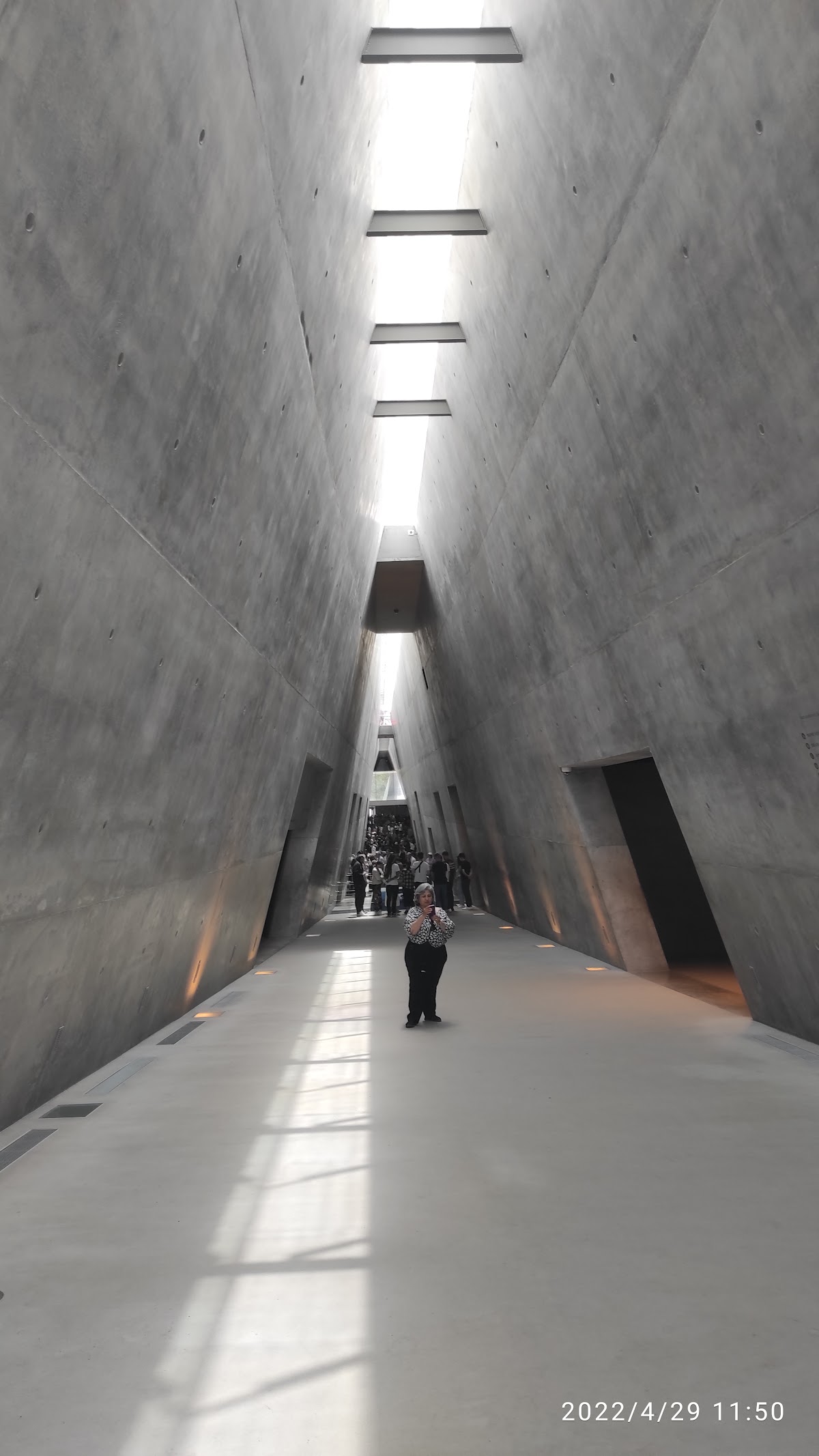
Yad Vashem itself conveys a powerful message through its architecture. The main building, with its triangular concrete structure appearing to cleave the earth and rise, symbolizes the suffering and destruction of the victims, while the dark interior spaces evoke overwhelming emotions in visitors. The interior of the memorial traces the Holocaust from its genesis to annihilation and the stories of survivors chronologically, vividly recreating moments of that tragedy through actual artifacts, documents, photographs, and video materials. In particular, the progression from dark spaces towards a brightly lit exit evokes a sense of awe for the strong spirit and unwavering will to live of the Jewish people who never lost hope amidst despair.
Yad Vashem includes several memorial spaces. The Children's Memorial commemorates the 1.5 million children who perished in the Holocaust. In a darkened space, countless flickering candles reflect like stars, symbolizing the innocent souls' light amidst tragedy. Each candle softly whispers the name and age of a child victim, imbuing visitors with deep sorrow and reverence. The Hall of Names preserves vast records of victims' names, birthplaces, and death dates, helping families find the last traces of their loved ones. The photographs and records of victims placed here give individual faces and lives to those previously remembered only as numbers, conveying the reality of the tragedy even more powerfully.
Furthermore, the Avenue of the Righteous Among the Nations honors non-Jews who risked their lives to save Jews. Each tree on this avenue symbolizes the courage and spirit of solidarity that shone brightly even during humanity's darkest period, silently reminding us of the values humanity must uphold even in dark history. Yad Vashem is not merely a place for remembering the past; it is a living educational platform that constantly questions us, who live in the present and build the future, about the preciousness of human rights and peace.
Jerusalem's Message Where Art and History Intersect
Visiting the Israel Museum and Yad Vashem in Jerusalem goes beyond merely appreciating artifacts and learning history. This journey is an insightful one, encompassing ancient Israel's glorious past, the unique culture of the Jewish people, and the Holocaust, humanity's worst tragedy, all while demonstrating how these experiences influence contemporary Israeli art. Art, sometimes through beauty, sometimes through voices of pain, and sometimes through messages of hope, connects the past and present and illuminates the future.
In Jerusalem, where three religions meet, ancient artifacts and modern art coexist, and deep sorrow intersects with strong hope, we witness the complexity and resilience of human existence and the healing power of art. Israeli art has found its unique color within this complex background. It is more than a mere aesthetic pursuit; it is an exploration of identity, a historical testimony, and a reflective attitude towards life that constantly questions and contemplates. This journey in Jerusalem will not be a mere trip but a deeply artistic and historical contemplation that resonates with the soul. May the profound inspiration Jerusalem offers be with your lives. Thank you.
Visitor Info
| 소요 시간 | 넉넉히 3-4Sun (예루살렘 city center 및 박물관 방문 포함) |
| 예산 | 중급 (숙박, 교통, 입장료, 식비 포함 시) |
| 추천 시기 | 봄(3~5Mon) or 가을(9~11Mon) - 온Tue한 날씨 |
| 추천 동선 | 이스라엘 박물관(오전) → 점심 → 야드 바셈(오후) → 저녁 식사 및 구시가지 야경 |