Art Blooming on Scars: Great Spaces Embracing Sorrow and Healing
Art Blooming on Scars: Great Spaces Embracing Sorrow and Healing
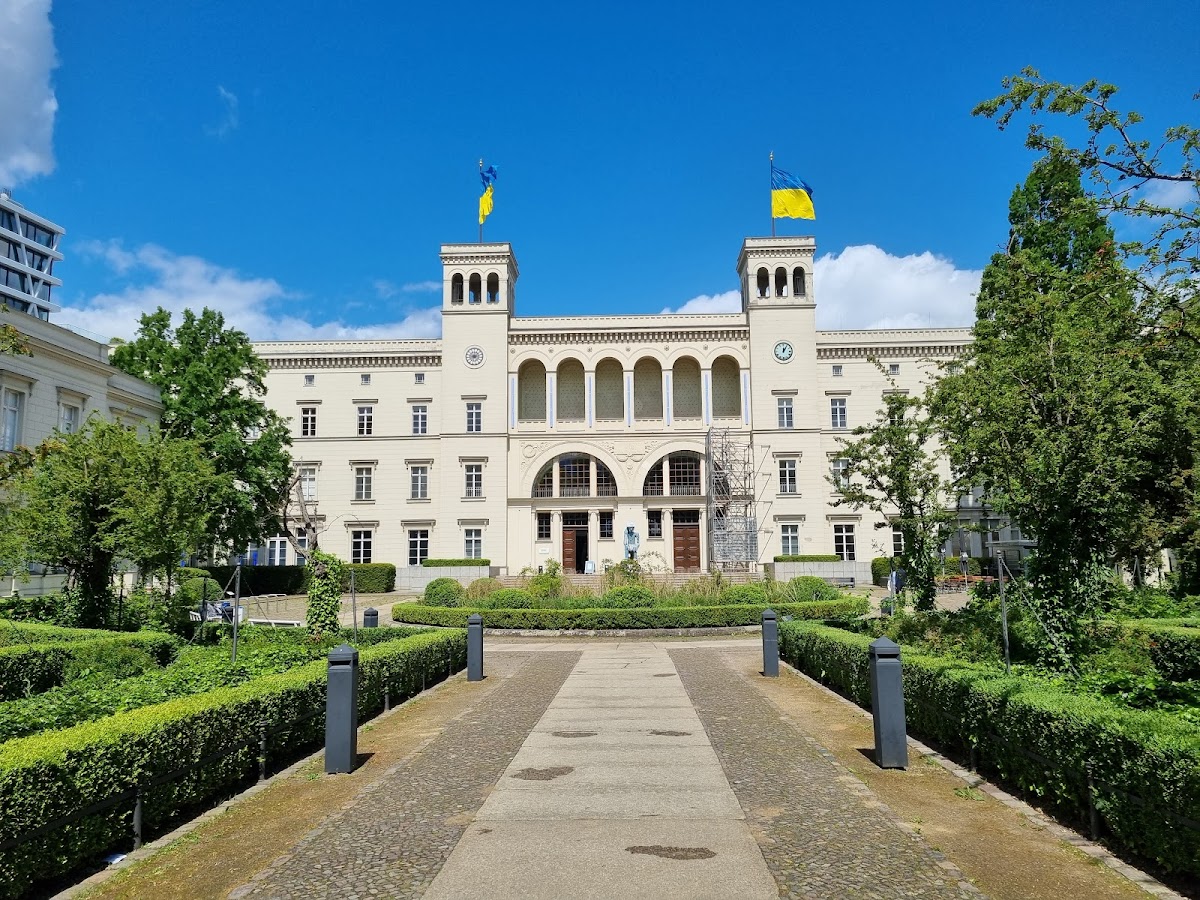
Hamburger Bahnhof, Berlin: From Railway Station to Contemporary Art Hub
Located at Invalidenstraße 51, 10557 Berlin, Germany, Hamburger Bahnhof stands as a prominent contemporary art museum. Originally the terminus of the Berlin–Hamburg Railway, it now houses the Museum für Gegenwart, part of the Berlin National Gallery. This institution uniquely blends the grandeur of 19th-century industrial architecture with the dynamism of modern art.
The building, characterized by its red-brick facade and expansive, high-ceilinged interiors, preserves its historical railway heritage. This architectural framework provides a distinctive backdrop for contemporary art installations, offering a different experience from traditional white-cube galleries. The transformation from a functional railway station to a cultural landmark reflects Berlin's evolving identity.
Jewish Museum Berlin: Libeskind's Architectural Narrative of Memory
The Jewish Museum Berlin, situated at Lindenstraße 9-14, 10969 Berlin, is an architectural masterpiece designed by Daniel Libeskind. Its striking zigzag form and irregular window patterns symbolize the fractured history and deep scars of the Jewish people in Germany. The building itself serves as a powerful narrative, conveying the pain and resilience of a community.
The museum's interior features three symbolic axes: the Axis of Existence, the Axis of Holocaust, and the Axis of Hope. Key spaces like the 'Memory Voids'—empty, silent concrete shafts—and the 'Garden of Exile' with its tilted floor and olive-topped pillars, are designed to evoke a visceral understanding of absence, displacement, and the profound impact of the Holocaust. Menashe Kadishman's 'Shalekhet (Fallen Leaves)' installation further amplifies this, with iron faces scattered across the floor, creating a haunting auditory experience.
National Gallery of Slovenia, Ljubljana: A Nation's Artistic Heritage
The National Gallery of Slovenia, located at Prešernova cesta 24, Ljubljana, Slovenia, is the country's foremost institution for fine art. Established in 1918 and becoming an independent national gallery in 1947, it chronicles the development of Slovenian art from the High Middle Ages to the early 20th century. The museum is housed in the historic 1896 Narodni dom building, complemented by a luminous glass-walled extension from 2001.
Its extensive collection includes Gothic panel paintings, Baroque altarpieces, and significant 19th-century Romantic and Realist works. A highlight is the section dedicated to Slovenian Impressionism, featuring works by pioneering artists such as Ivana Kobilca—Slovenia's first female painter—Rihard Jakopič, Matija Jama, and Matej Sternen. These artists captured Slovenian landscapes and daily life with unique light and brushwork, contributing to the nation's cultural identity.
Practical Information for Your Visit
Hamburger Bahnhof
- Location: Invalidenstraße 51, 10557 Berlin, Germany
- Operating Hours: Closed Mondays. Tue-Wed 10:00-18:00, Thu 10:00-20:00, Fri 10:00-18:00, Sat-Sun 11:00-18:00.
- Admission: Adults 14€, Students 7€. Free on the first Sunday of each month.
- Transportation: Approx. 5-minute walk from S-Bahn Hauptbahnhof station.
Jewish Museum Berlin
- Location: Lindenstraße 9-14, 10969 Berlin, Germany
- Operating Hours: Daily 10:00-19:00. Check official website for holiday closures.
- Admission: Adults 8€, Reduced 4€. Under 18s free.
- Transportation: U-Bahn U1, U3, U6 (Kochstraße) or S-Bahn S1, S2, S25, S26 (Anhalter Bahnhof).
National Gallery of Slovenia
- Location: Prešernova cesta 24, Ljubljana, Slovenia
- Operating Hours: Closed Mondays. Tue-Sun 10:00-18:00.
- Admission: Adults 7€. Free on the first Sunday of each month.
- Transportation: Centrally located, walkable from most Ljubljana attractions.
Visitor Info
| Estimated Visit | Translating |
| Translating | $1,500~$2,500 |
| Recommended Route | Translating |