Honolulu, Hawaii: A Bridge of East-West Art in the Middle of the Pacific
Honolulu, Hawaii: A Bridge of East-West Art in the Middle of the Pacific
The Honolulu Museum of Art: A Cultural Anchor in the Pacific
The Honolulu Museum of Art, located at 900 S Beretania St., Honolulu, HI 96814, USA, stands as a significant cultural institution in the heart of Honolulu. Approximately a 15-minute bus ride from Waikiki, it offers a serene artistic sanctuary amidst the city's vibrant atmosphere. Its strategic location in the middle of the Pacific reflects its role as a bridge between East and West, fostering cross-cultural artistic appreciation.
Founding Vision by Anna Rice Cooke (1927)
Established in 1927 by Anna Rice Cooke, a descendant of missionaries who settled in Hawaii, the museum was born from her profound passion for art. Cooke donated her extensive personal collection of Eastern and Western artworks, driven by a desire to share this beauty with the people of Hawaii. Her vision extended beyond mere exhibition, aiming for the museum to serve as a living educational institution and a community hub, particularly emphasizing art education for children and youth. This founding spirit continues to guide the museum's mission today.
Architecture: Harmony with Nature and Open Design
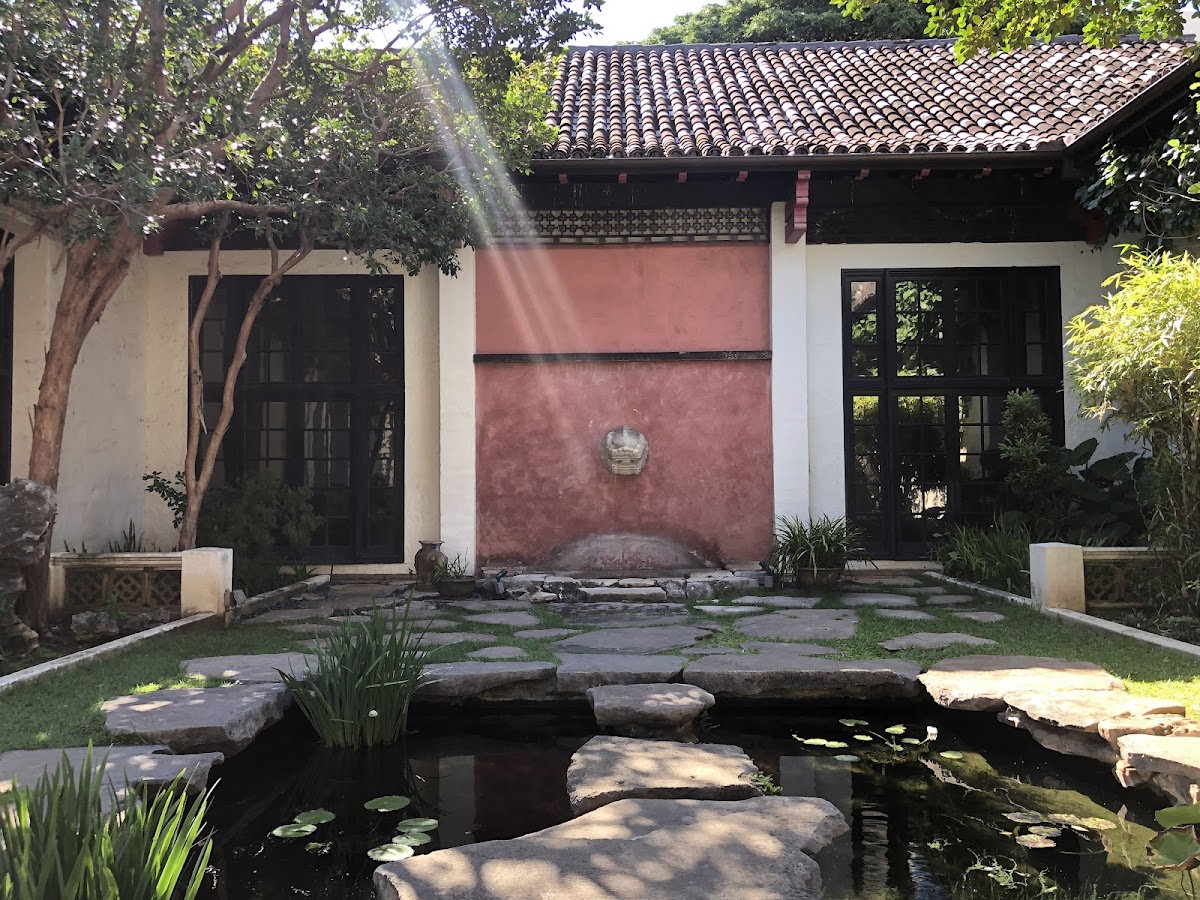
The museum's architecture is as captivating as its collections, embodying an open design that harmonizes with Hawaii's climate and cultural characteristics. It features multiple buildings connected by low walls and corridors, interspersed with lush courtyards reminiscent of traditional Asian homes. This design allows natural light to permeate the interiors and cool breezes to circulate, creating a comfortable viewing environment without heavy reliance on artificial climate control.
The main courtyard, with its manicured lawns, exotic tropical plants, and sculptures, provides a picturesque setting. Windows throughout the galleries frame views of green gardens and the sky, blurring the lines between indoor and outdoor spaces and fostering a continuous dialogue between art and nature. The choice of warm beige walls and wood finishes further enhances the tranquil atmosphere, allowing the artworks to stand out.
Diverse Collections: Bridging East and West
The Honolulu Museum of Art is renowned for its comprehensive and diverse collections, spanning Asian, European, and American art, with a particular emphasis on Asian and Pacific art. The Asian art collection is a highlight, featuring Japanese Ukiyo-e prints, including Katsushika Hokusai's iconic "The Great Wave off Kanagawa," which vividly convey the vibrant culture of Japan's Edo period.
The Chinese art collection showcases millennia of history through ceramics and bronzes, with exquisite Song Dynasty celadon and Ming Dynasty blue-and-white porcelain demonstrating remarkable craftsmanship. The museum also dedicates significant attention to Pacific Island and Hawaiian indigenous art, presenting textiles, sculptures, and ornaments that reflect the unique identity and deep connection to nature of these cultures.
The Western art collection complements these holdings, featuring works from Impressionism to contemporary art by leading European and American artists, including Claude Monet. This diverse array illustrates how different cultural art forms have influenced and evolved alongside each other, offering visitors a unique opportunity to explore the intersections and distinct beauties of global art in one location.
Museum's Role and Evolution: A Cultural Hub
From its inception, the Honolulu Museum of Art has served as a cultural anchor for the Hawaiian community. Beyond its role as an exhibition space, it has consistently prioritized art education and community engagement. Over the decades, the museum's collections have grown substantially through the support and donations of numerous patrons, achieving international recognition, particularly in Asian and Pacific Island art.
The museum's enduring commitment to fostering artistic appreciation and cultural understanding, as envisioned by Anna Rice Cooke, continues to enrich the lives of residents and visitors alike. It stands as a testament to the power of art to inspire and connect diverse communities, preserving and promoting Hawaii's rich cultural heritage.
Visitor Information and Recommended Flow
For an optimal visit, the museum recommends a minimum of 2 hours, with half a day suggested for a more leisurely experience. The recommended flow is to begin with the Asian collection, followed by the Polynesian collection, and then the Western collection, incorporating breaks in the serene gardens.
- Admission: Adult tickets are $20. Free admission is offered on the first Wednesday and third Sunday of each month. Special exhibitions may incur additional fees.
- Operating Hours: Closed on Mondays and Tuesdays. Open Wednesday to Thursday from 10:00 AM to 6:00 PM, Friday from 10:00 AM to 9:00 PM, and Saturday to Sunday from 10:00 AM to 6:00 PM.
- Location: 900 S Beretania St., Honolulu, HI 96814, USA.
- Transportation: Easily accessible by public transport; Bus #2 from Waikiki takes approximately 15 minutes. On-site parking is available for a fee.
- Dining: A cafe is located within the museum. Additionally, downtown Honolulu and Chinatown, both within a 10-15 minute walk, offer a wide array of dining options, from local Hawaiian dishes to diverse Asian cuisines.
Visitors are encouraged to wear comfortable shoes to fully explore the museum's extensive collections and tranquil courtyards, experiencing the unique blend of East-West art in this Pacific oasis.
Visitor Info
| Estimated Visit | Translating |
| Translating | Translating |
| Translating | Translating |
| Recommended Route | Translating |