A Century of Russian Art in Moscow: From Tretyakov to Garage
A Century of Russian Art in Moscow: From Tretyakov to Garage
Moscow's Art Journey: From Classical to Contemporary
This expedition log details a visit to Moscow, exploring a century of Russian art through two prominent institutions: the Tretyakov Gallery and the Garage Museum of Contemporary Art. These museums, located in distinct areas of Moscow, offer contrasting yet complementary perspectives on Russia's cultural landscape.
The Tretyakov Gallery: A Historical Hub in Zamoskvorechye
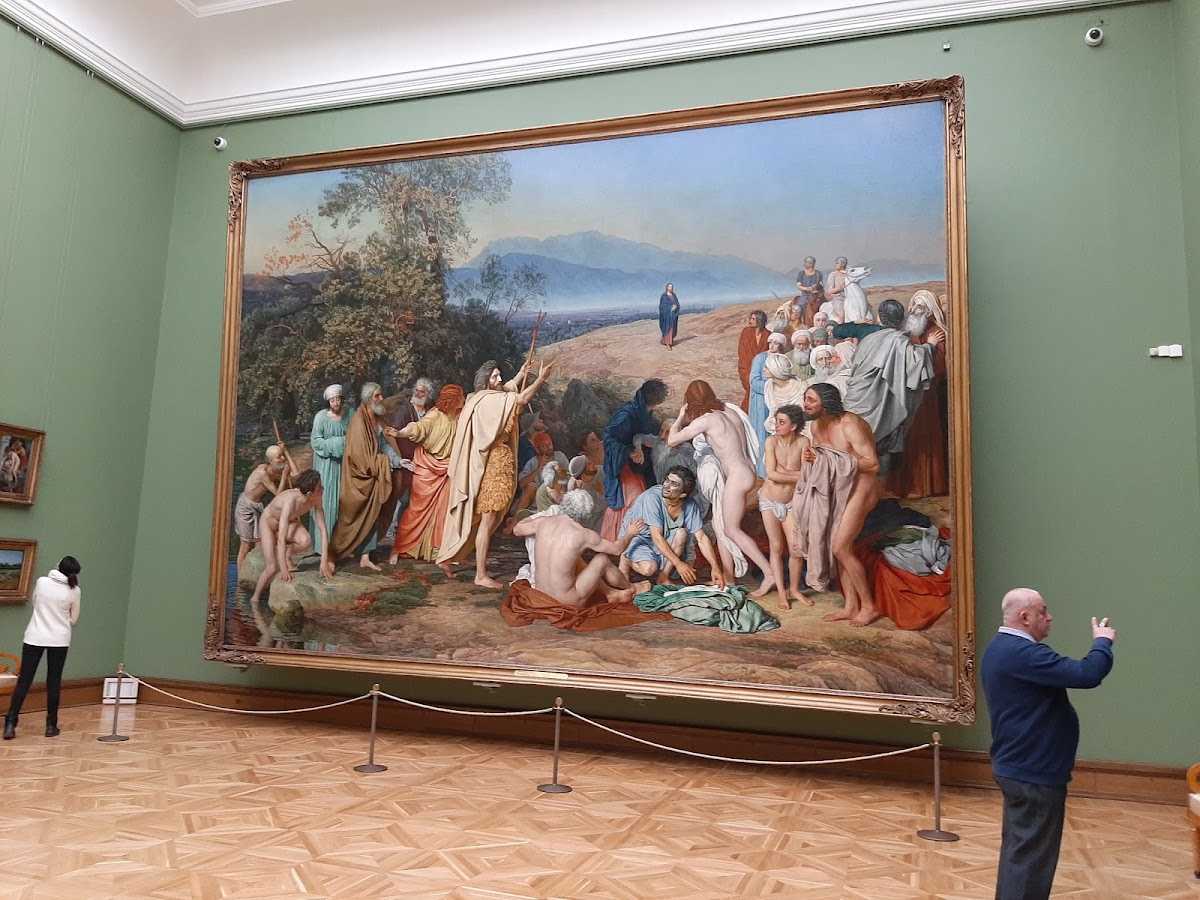
The Tretyakov Gallery, situated at Lavrushinsky Ln, 10, in the historic Zamoskvorechye district, is a cornerstone of Russian art. Founded in 1856 by merchant Pavel Tretyakov, it houses over 170,000 works, primarily focusing on 19th-century Russian Realism. The gallery's red-brick architecture reflects traditional Russian styles, providing a fitting backdrop for its collection.
Key masterpieces include Ilya Repin's 'Ivan the Terrible and His Son Ivan,' a dramatic depiction of a tragic historical event, and Valentin Serov's 'Girl with Peaches,' an intimate portrayal of everyday life. Mikhail Vrubel's 'The Demon Seated' represents the pinnacle of Russian Symbolism, offering a mystical contrast to the gallery's realist core. The gallery is a 5-minute walk from Tretyakovskaya Metro Station.
The Garage Museum of Contemporary Art: A Modern Transformation in Gorky Park
The Garage Museum of Contemporary Art is located within Moscow's Gorky Park, accessible via a 10-minute walk from Oktyabrskaya Metro Station. This institution explores Russian and international contemporary art, actively commissioning new works and fostering artistic discourse.
The museum's architecture is a significant part of its identity. It occupies a former 1968 bus depot and restaurant, 'Vremena Goda,' which was dramatically transformed by Rem Koolhaas and OMA. The renovation preserved elements of the original brick and tile facade while introducing a striking translucent polycarbonate exterior. This design allows for a dynamic interplay of light and views, symbolizing the museum's role as an open and evolving art space.
Inside, the exposed concrete and brick structures of the original building are integrated with new gallery boxes, educational facilities, a bookstore, and a cafe. The high ceilings and open spaces, remnants of its industrial past, now provide a versatile environment for contemporary art exhibitions. The architectural approach highlights the museum's commitment to reinterpreting industrial heritage for modern cultural purposes.
A Century of Russian Art: Recommended Itinerary
A recommended itinerary for experiencing a century of Russian art in Moscow begins with the Tretyakov Gallery in the morning (3-4 hours), followed by lunch, and then a visit to the Garage Museum of Contemporary Art in the afternoon (2-3 hours). This sequence allows visitors to trace the evolution of Russian art from its classical roots to its contemporary expressions.
The best time to visit is from May to June or September to October, when the weather is pleasant for exploring the museum surroundings and Gorky Park. The total duration for this art journey, including travel time between museums, is approximately 6-8 hours.
Visitor Information
Tretyakov Gallery
- Address: Lavrushinsky Ln, 10, Moskva, Russia, 119017
- Operating Hours: Tue-Wed 10:00-18:00, Thu-Sat 10:00-21:00, Sun 10:00-18:00. Closed Mondays.
- Admission: Adult 500 RUB
Garage Museum of Contemporary Art
- Address: PJJ2+FF Yakimanka District, Moscow, Russia (within Gorky Park)
- Operating Hours: Daily 11:00-22:00
- Admission: Adult ₽500, Student ₽250
Visitor Info
| Estimated Visit | Translating |
| Translating | Translating |
| Translating | Translating |
| Recommended Route | Translating |