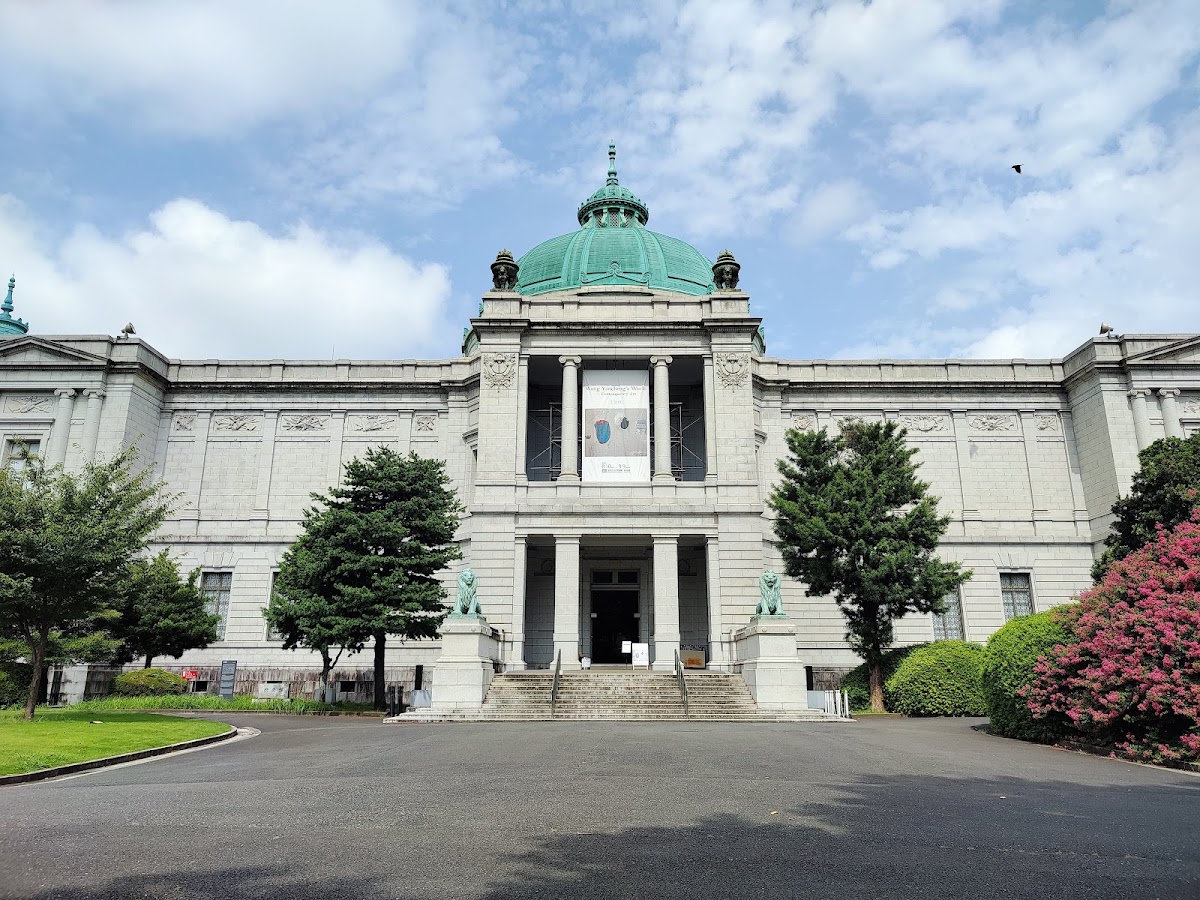
Tokyo National Museum: A Thousand Years of Art, Embracing the Soul of the East
Tokyo National Museum: A Thousand Years of Art, Embracing the Soul of the East
Ueno Park: A Cultural Hub in Tokyo
Ueno Park in Taito City, Tokyo, is a prominent cultural district, home to the Tokyo National Museum (TNM) and the Tokyo Metropolitan Art Museum (TMAM). Both institutions are easily accessible from JR Ueno Station, offering distinct yet complementary cultural experiences within a short walk of each other. TNM, at 13-9 Uenokōen, is Japan's oldest and largest museum, a serene space showcasing Japanese and Asian cultural heritage. TMAM, at 8-36 Uenokōen, presents a modernist architectural contrast, focusing on contemporary art exhibitions.
Tokyo National Museum: A Legacy of Japanese and Asian Art
Established in 1872, the Tokyo National Museum moved to its current Ueno Park location in 1882. Over 140 years, TNM has amassed over 100,000 artifacts, including 89 National Treasures. Its extensive collection spans ancient to modern periods, offering a profound journey through Japanese and Asian art. The main building, Honkan, completed in 1938 and designed by Jin Watanabe, features the "Imperial Crown Style." It houses Japanese art, from Jomon period archaeology to Edo period paintings, sculptures, and crafts, including the Guse Kannon Bosatsu-zo from Horyuji Treasures and Momoyama period folding screens.
The Toyokan (Asian Gallery), opened in 1968 and designed by Yoshiro Taniguchi, features art from across Asia, including China, Korea, India, and Southeast Asia. Visitors can explore diverse Buddhist art, ceramics, bronzes, and textiles, highlighting the rich cultural exchange. The Korean art section displays Silla gold crowns, Goryeo celadon, and Joseon white porcelain. The Honkan's ceramics collection traces Japanese pottery from ancient Jomon to refined Imari and Kyoto wares, including artistic tea ceremony utensils.
Tokyo Metropolitan Art Museum: A Modernist Landmark
The Tokyo Metropolitan Art Museum, opened in 1926 as Japan's first public art museum, is a dynamic space for modern and contemporary art. Its current building, completed in 1975, is a significant work by renowned Japanese modernist architect Maekawa Kunio, a disciple of Le Corbusier. The architecture itself is a key attraction, characterized by its robust concrete and brick facade, reflecting a Brutalist aesthetic and emphasizing the interplay of light and space.
Maekawa's design includes a grand lobby with high ceilings and abundant natural light, and a prominent spiral staircase. The interior spaces are thoughtfully designed to enhance the viewing experience. A central courtyard provides a natural respite within the concrete structure. TMAM does not have a permanent collection but hosts a wide array of special exhibitions, from international masterpieces to contemporary Japanese art, aiming to be a "Gateway to Art" for all citizens.
Visitor Information for Ueno Park Museums
The Tokyo National Museum is open Tuesday to Sunday, 9:30 AM to 5:00 PM, with extended hours until 9:00 PM on Fridays and Saturdays. General admission for permanent exhibitions is 1,000 yen for adults. The Tokyo Metropolitan Art Museum operates Tuesday to Sunday, 9:30 AM to 5:30 PM, with potential extended hours for special exhibitions. Admission fees for TMAM vary by exhibition. Both museums are closed on Mondays (or the following weekday if Monday is a public holiday). Visitors are advised to check official websites for the most up-to-date information on hours, exhibitions, and booking requirements.
Visitor Info
| Location | 13-9 Uenokōen, Taito City, Tokyo 110-0007, Japan |
| Hours | Translating |
| Admission | Translating |
| Getting There | Translating |
| Estimated Visit | Translating |
Featured Works

하세가와 도하쿠 (Hasegawa Tōhaku)
소나무 숲 병풍 (松林図屏風)
16세기 작. 수묵화의 걸작. 안개 속 소나무 숲을 최소한의 붓질로 표현.

다와라야 소타쓰 (Tawaraya Sōtatsu)
풍신뇌신도 병풍 (風神雷神図屏風)
17세기 작. 일본 미술의 아이콘. 바람의 신과 번개의 신을 금박 배경에 대담하게 그렸다.

미상 (고분시대) (Unknown (Kofun period))
하니와 무사 (Haniwa Warrior)
6세기 고분시대. 갑옷을 입은 무사형 하니와(토기 인형). 국보.