Peenemünde Historical Technical Museum — Birthplace of the Space Age
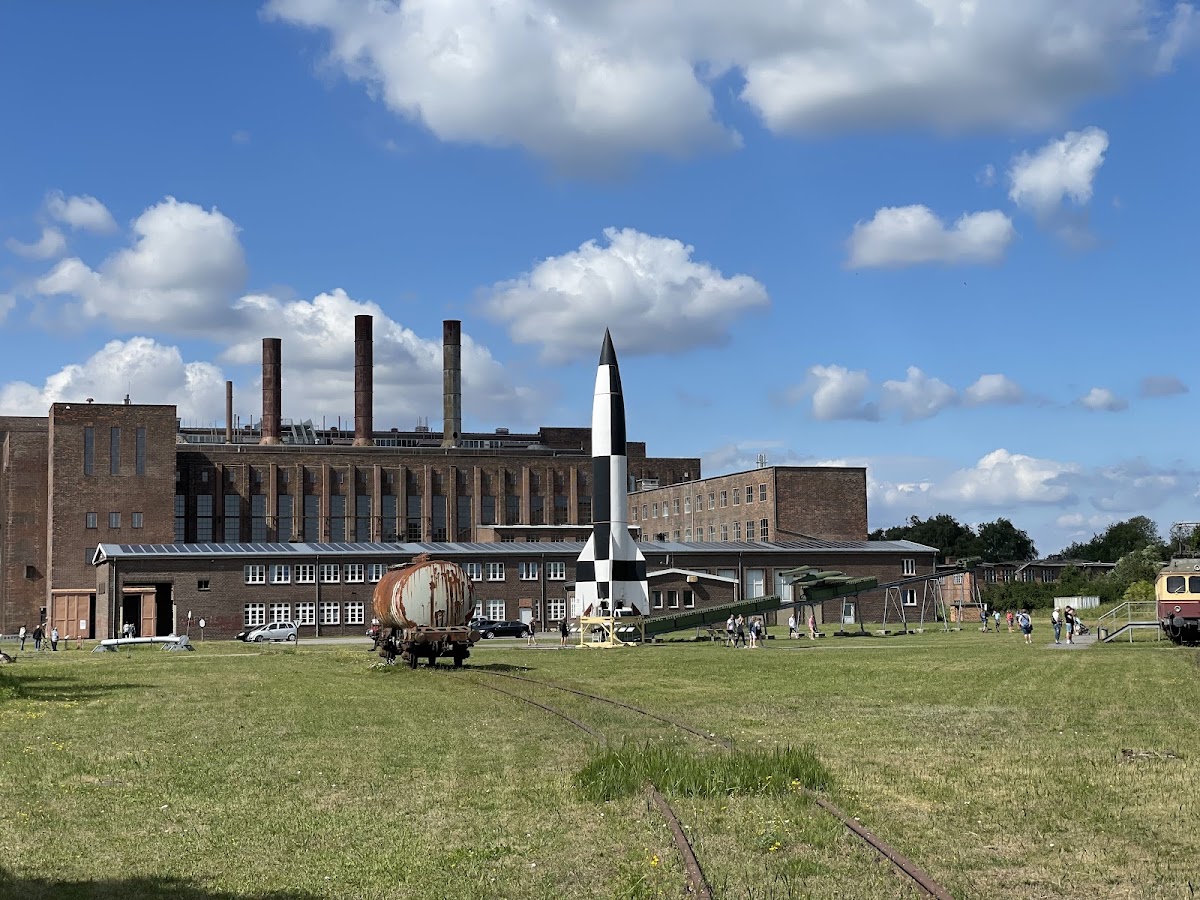
Stepping onto the grounds of Peenemünde, a chill that had nothing to do with the sea breeze snaked up my spine. This vast, windswept expanse, once a bustling secret military research facility, now stands as a monument to a paradoxical chapter of human ingenuity. The brutalist architecture of the former power station, now the main museum, immediately conveys the immense scale of operations conducted here under Nazi Germany. It was within these very walls, and across this bleak landscape, that Wernher von Braun and his team, alongside thousands of forced labourers, engineered the V-2 rocket – the world's first long-range guided ballistic missile.
My journey through the exhibits felt less like observation, more like somber introspection. The museum doesn't shy away from the V-2's dual legacy. On one hand, there are detailed displays of the intricate engineering, the groundbreaking physics, and the sheer intellectual might that went into creating a machine capable of breaching the stratosphere. Photographs show scientists poring over blueprints, test launches erupting in plumes of fire and smoke. The foundational science here, a direct lineage from these early rockets to the Saturn V that carried Apollo missions to the moon, and the satellites now orbiting our planet, is undeniable. Peenemünde truly was the cradle of the space age, a testament to humanity’s insatiable desire to reach for the stars.
Yet, this triumphant narrative is relentlessly shadowed by the V-2’s horrific purpose. The museum dedicates significant space to the victims: thousands of civilians in London, Antwerp, and other European cities perished under its indiscriminate bombardment, and perhaps even more tragically, an estimated 20,000 concentration camp prisoners were worked to death assembling these "wonder weapons" in underground factories like Dora-Mittelbau. Standing before a preserved V-2 rocket, a silent, menacing giant, I felt a profound sense of unease. Its sleek, powerful form, a marvel of engineering, was an instrument of terror, a harbinger of modern warfare. The juxtaposition is jarring: the same technological leap that promised extraterrestrial exploration also delivered unprecedented destruction.
One exhibit that particularly haunted me was the collection of personal testimonies and artifacts from the forced laborers. Simple tools, worn photographs, and harrowing accounts painted a vivid picture of suffering and exploitation. It underscored the chilling moral compromise at Peenemünde: scientific progress achieved on the backs of enslaved human beings. The museum asks us to confront this uncomfortable truth, to grapple with the ethics of innovation divorced from humanity. It's a powerful reminder that history is rarely black and white, but a complex tapestry woven with threads of brilliance and brutality.
Walking out into the open air, the Baltic Sea still whispering, the vastness of the sky above held both the promise of future exploration and the echo of past atrocities. Peenemünde is not just a museum of rockets; it's a museum of human conscience, a place that forces us to reconcile our capacity for unparalleled genius with our propensity for unspeakable cruelty. It is a vital, challenging visit, demanding not just our attention, but our deep reflection on the choices we make, both individually and collectively, in the pursuit of knowledge and power.
Practical Tips
The Peenemünde Historical Technical Museum sits on Usedom Island's northern tip. Open daily, hours vary seasonally; check their website. Allocate 3-4 hours for extensive indoor and outdoor exhibits, including the power station, V-2 assembly hall, and outdoor rocket replicas. An audio guide is highly recommended for historical context. On-site parking is available. Public transport is limited; the Usedomer Bäderbahn (UBB) train reaches Peenemünde station, a short walk from the museum. Wear comfortable shoes for walking and dress for the weather, as the Baltic coast can be breezy and exposed.
Visitor Info
| Location | Im Kraftwerk, 17449 Peenemünde |
| Hours | 10:00 - 18:00 (11-3Mon 축소) |
| Admission | €9 |
| Highlights | V-2 로켓, 발전소 유적 |
| Estimated Visit | 2-3hr |
Featured Works
Wernher von Braun Team
V-2 Rocket
세계 최초의 탄도 미사일이자 우주 시대를 연 로켓 (1942)