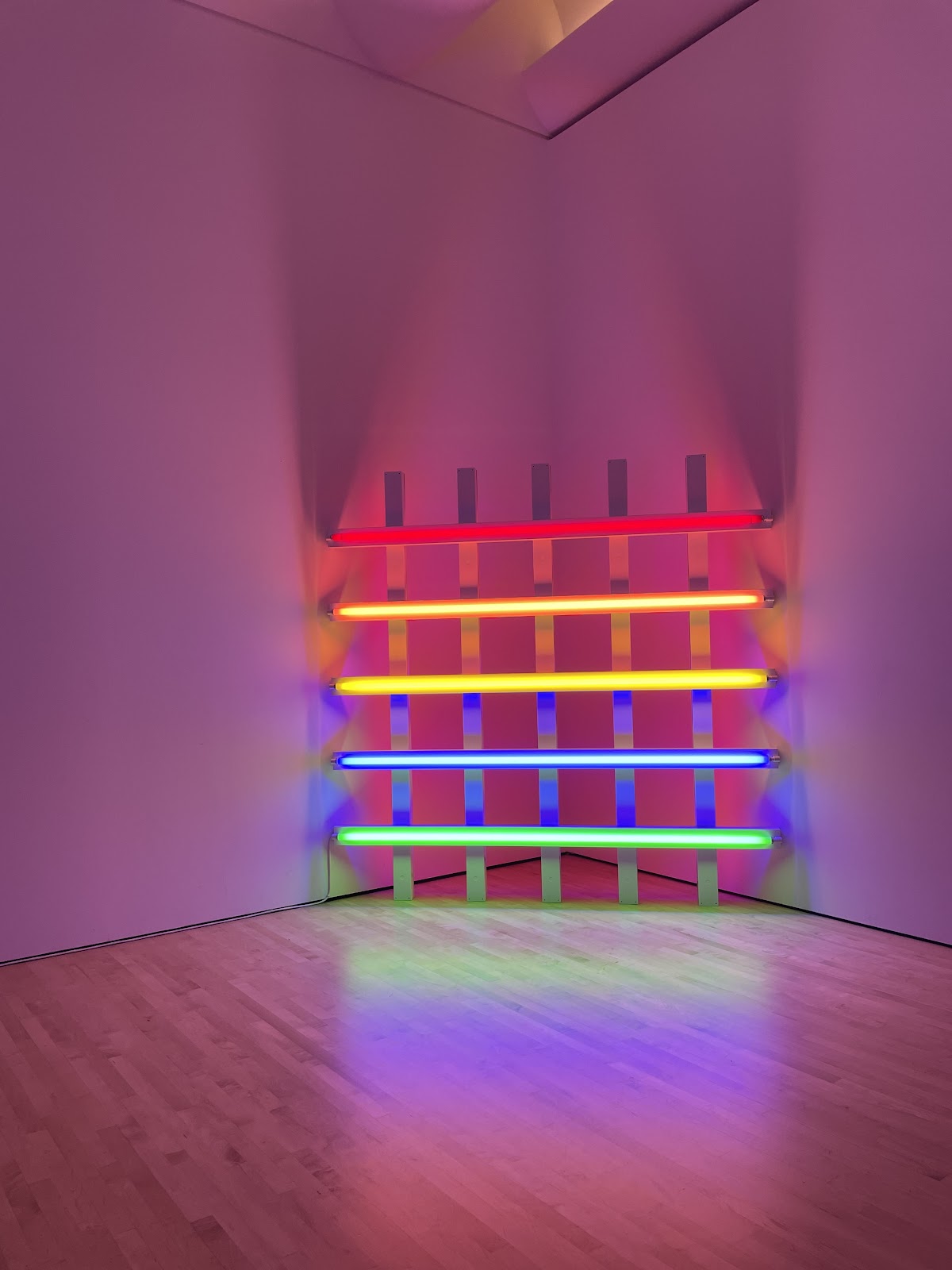
San Francisco's Modern Art Treasure Beloved by Silicon Valley
San Francisco's Modern Art Treasure Beloved by Silicon Valley
SFMOMA — San Francisco's Modern Art Hub
The San Francisco Museum of Modern Art (SFMOMA) is located at 151 Third St in the vibrant SoMa (South of Market) district of San Francisco, California. Situated amidst cultural institutions like the Yerba Buena Gardens, Contemporary Jewish Museum, and Museum of the African Diaspora, SFMOMA serves as a pivotal cultural anchor in a city renowned for its innovation and creative spirit, deeply influenced by Silicon Valley.
A Legacy of Modern Art Since 1935
Established in 1935, SFMOMA was the first museum on the West Coast dedicated to modern art. It began by collecting European Modernism and steadily expanded its scope to include major American art movements such as Abstract Expressionism, Pop Art, and Minimalism. This evolution reflects the museum's commitment to showcasing significant artistic developments of the 20th and 21st centuries, shaping both the Bay Area's cultural landscape and global art discourse.
Architectural Evolution: Botta's Original and Snøhetta's Expansion
In 1995, SFMOMA moved to its current location, housed in a striking red-brick building designed by Swiss architect Mario Botta. Characterized by its robust geometric forms and a dramatic cylindrical skylight, this structure provided an expanded platform for the museum. A significant transformation occurred in 2016 with a major expansion designed by the Norwegian firm Snøhetta. This addition, featuring a distinctive white facade composed of over 700 fiberglass-reinforced polymer panels, evokes the iconic San Francisco fog and bay waters. The Snøhetta expansion seamlessly integrates with Botta's original design, creating a dynamic architectural dialogue that positions SFMOMA as one of the largest modern art museums in the world.
Dynamic Spaces and World-Class Collections
Inside, SFMOMA offers an expansive and light-filled experience. The grand staircase and strategic use of natural light through skylights and large windows create an inviting atmosphere, guiding visitors through the various floors. The fifth-floor outdoor terrace provides sculptures set against the city skyline, offering a unique blend of art and urban landscape. The museum's collection spans diverse media, featuring works from Clyfford Still (Abstract Expressionism), Frida Kahlo (self-portraits), and a world-class photography collection with artists like Diane Arbus and Cindy Sherman. The integration of the Doris and Donald Fisher Collection further enriched SFMOMA's holdings with works by masters such as Gerhard Richter and Andy Warhol.
SFMOMA as a Cultural and Innovation Hub
SFMOMA's location in the SoMa district, a nexus of startups and tech companies, underscores its role as a cross-section of art and innovation. The museum frequently features exhibitions that incorporate technological elements and digital art, reflecting its contemporary environment. It functions not merely as an art repository but as a living cultural institution that resonates with San Francisco's vibrant pulse, offering visitors new perspectives on the city through art. SFMOMA actively engages with its surroundings, contributing to the city's dynamic cultural and intellectual life.
Visitor Information
- Admission: $25 for adults; visitors 18 and under are free. Online booking may offer discounts, and special exhibitions may incur additional fees. Check the official website for current information.
- Hours: Monday, Tuesday, Friday, Saturday, and Sunday from 10:00 AM to 5:00 PM. Thursday hours are extended from 10:00 AM to 9:00 PM. The museum is closed on Wednesdays. Please verify hours on the official website for holidays or special events.
- Transportation: SFMOMA is easily accessible by public transport. The closest BART station is Powell St, approximately a 10-minute walk.
- Suggested Visit Time: 2-3 hours is recommended for a comprehensive visit.
- Tips: Consider a Thursday evening visit for a unique experience. The museum store on the first floor offers a variety of art-related souvenirs and books.
Visitor Info
| Admission | Translating |
| Hours | Translating |
| Location | 151 Third St, San Francisco, CA 94103 |
| Getting There | Translating |
| Estimated Visit | 2-3hr |
| Tips | Translating |
Featured Works
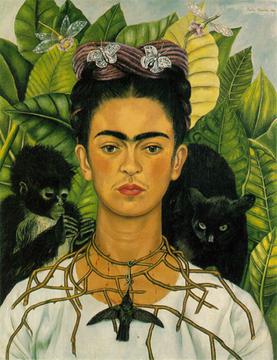
Frida Kahlo
Frieda and Diego Rivera
1931년, 멕시코 모더니즘의 상징적 이중 초상화

Richard Serra
Sequence
2006년, 관람객이 직접 걸어 들어가는 거대한 강철 조각

Ansel Adams
Yosemite Valley
미국 풍경 사진의 대가, 요세미티 시리즈

Henri Matisse