The Complete Story of 500 Years of British Art in London
The Complete Story of 500 Years of British Art in London
Tate Britain — The Definitive Collection of British Art
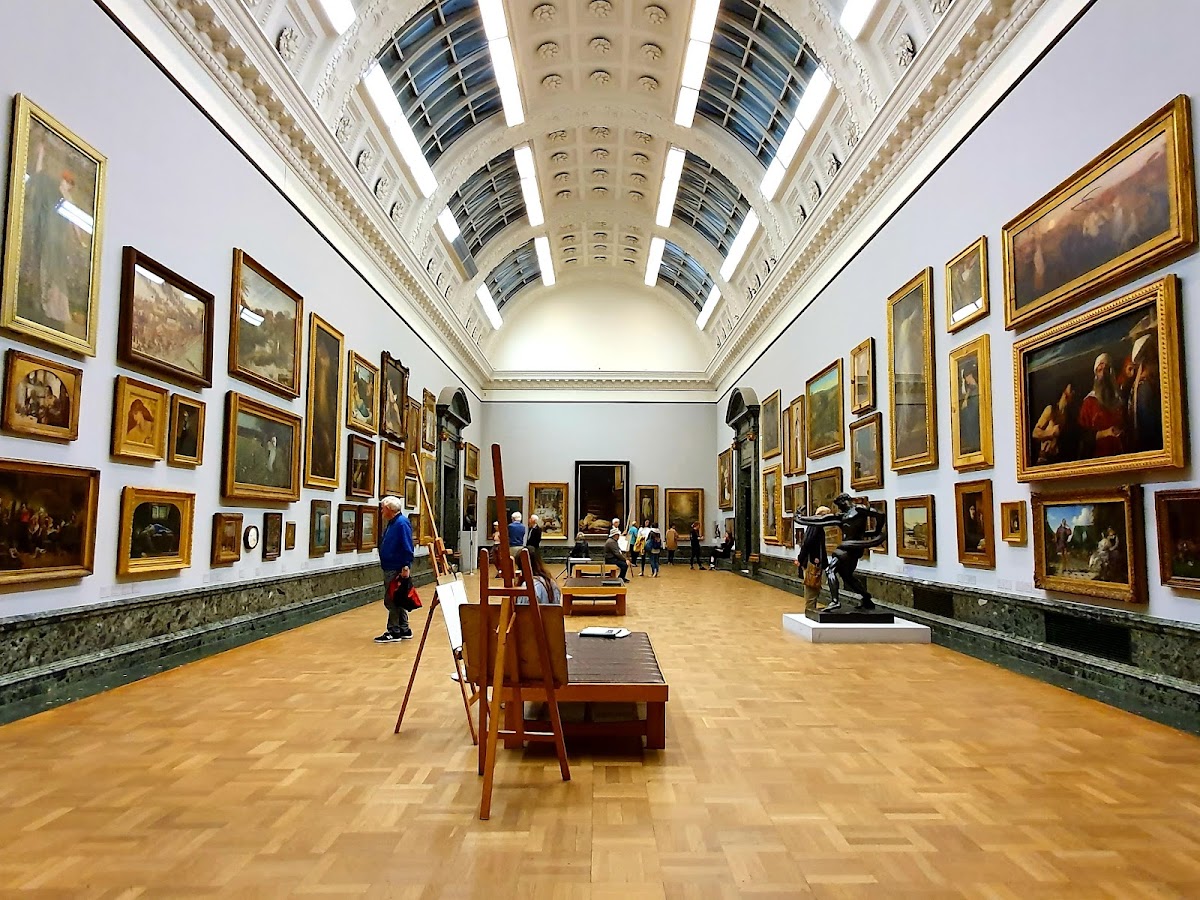
Tate Britain, located on the north bank of the River Thames in Millbank, London, serves as the national gallery of British art from 1500 to the present day. Opened in 1897 as the National Gallery of British Art, it was later renamed Tate Gallery and then Tate Britain in 2000, specializing in British art after Tate Modern's establishment. It is easily accessible from Pimlico Underground station (Victoria Line) and connected to Tate Modern by the free 'Tate to Tate' boat service.
The museum houses a comprehensive collection, including Tudor portraits, 18th-century masterpieces by artists like Thomas Gainsborough and Joshua Reynolds, and a significant collection of works by J.M.W. Turner in the dedicated Clore Gallery. The Pre-Raphaelite Brotherhood, with works such as John Everett Millais's 'Ophelia,' also features prominently. The collection extends to 20th and 21st-century British art, showcasing modernists and contemporary figures like Francis Bacon, Lucian Freud, and David Hockney. Tate Britain also hosts the annual Turner Prize exhibition, highlighting cutting-edge contemporary British art.
Tate Modern — A Power Station Reimagined for Art
Tate Modern, situated on the south bank of the Thames, is a contemporary art museum housed in the former Bankside Power Station. Transformed by Swiss architects Herzog & de Meuron, it opened in 2000, becoming a landmark of industrial heritage repurposed for art. Its vast Turbine Hall, once filled with the noise of generators, now hosts large-scale installations by international artists. The museum's collection focuses on international modern and contemporary art from 1900 onwards, featuring works by Pablo Picasso, Salvador Dalí, Andy Warhol, and Roy Lichtenstein.
The Turbine Hall is a central feature, known for its monumental scale and the annual Hyundai Commission, which showcases site-specific installations. The museum's multi-level exhibition spaces leverage the original power station structure, offering unique architectural experiences. From its upper-floor balconies, visitors can enjoy panoramic views of the London skyline, including St Paul's Cathedral and the Millennium Bridge.
Imperial War Museum — A Chronicle of Conflict and Reflection
The Imperial War Museum, established in 1920 in Lambeth, London, documents the history of modern conflict, particularly Britain's involvement from World War I to contemporary engagements. Located a short walk from Lambeth North Underground station (Bakerloo Line), the museum offers a profound exploration of the human experience of war, emphasizing its impact on society and individuals rather than glorifying it.
Key exhibitions include the First World War Galleries, which recreate the realities of trench warfare, and the Second World War Galleries, featuring an immersive recreation of the London Blitz. The Holocaust Galleries provide a solemn and reflective space, detailing the tragic history of the Jewish genocide through artifacts, photographs, and survivor testimonies. The museum serves as a vital historical record, encouraging reflection on the costs of conflict and the importance of peace for future generations.
Visitor Information for London's Museums
Most major museums and galleries in London offer free admission to their permanent collections. Tate Britain, Tate Modern, and the Imperial War Museum all provide free entry for their permanent exhibitions, though special exhibitions may require a paid ticket. It is advisable to check each museum's official website for current information on special exhibitions, opening hours, and any booking requirements.
- Tate Britain: Open daily 10:00-18:00. Free entry for permanent collection. Located at Millbank, London SW1P 4RG.
- Tate Modern: Open Mon-Thu 10:00-18:00, Fri-Sat 10:00-21:00, Sun 10:00-18:00. Free entry for permanent collection. Located at Tate Modern, London SE1, UK.
- Imperial War Museum: Open daily 10:00-18:00. Free entry for permanent collection. Located at Lambeth Rd, London SE1 6HZ, UK.
Visitor Info
| Admission | Free (Special exhibitions extra) |
| Hours | Daily 10:00-18:00 |
| Location | Millbank, London SW1P 4RG |
| Getting There | Translating |
| Estimated Visit | Translating |
| Tips | Translating |
Featured Works

John Everett Millais
Ophelia
밀레이의 대표작으로, 셰익스피어 "햄릿"의 오필리아가 시냇물에 떠있는 장면을 그렸습니다. 라파엘 전파 특유의 극도로 세밀한 자연 묘사와 비극적 아름다움이 결합된 작품입니다. 다양한 수초, 꽃들이 상징적 의미를 담고 있으며, 모델 엘리자베스 시달이 실제로 물속에서 포즈를 취해 폐렴에 걸렸다는 일화가 유명합니다.

John Constable
The Hay Wain
컨스터블의 대표작으로, 서퍽 주 플랫포드의 목가적 풍경을 사실적으로 묘사했습니다. 건초 수레가 얕은 강을 건너는 평온한 영국 시골 풍경은 산업혁명 시대 잃어가는 자연에 대한 향수를 담고 있습니다. 1824년 파리 살롱에서 금메달을 수상하며 프랑스 인상주의 화가들에게 큰 영향을 미쳤습니다.