5,000 Years of Korean History
5,000 Years of Korean History
National Museum of Korea — A Journey Through 5,000 Years of History
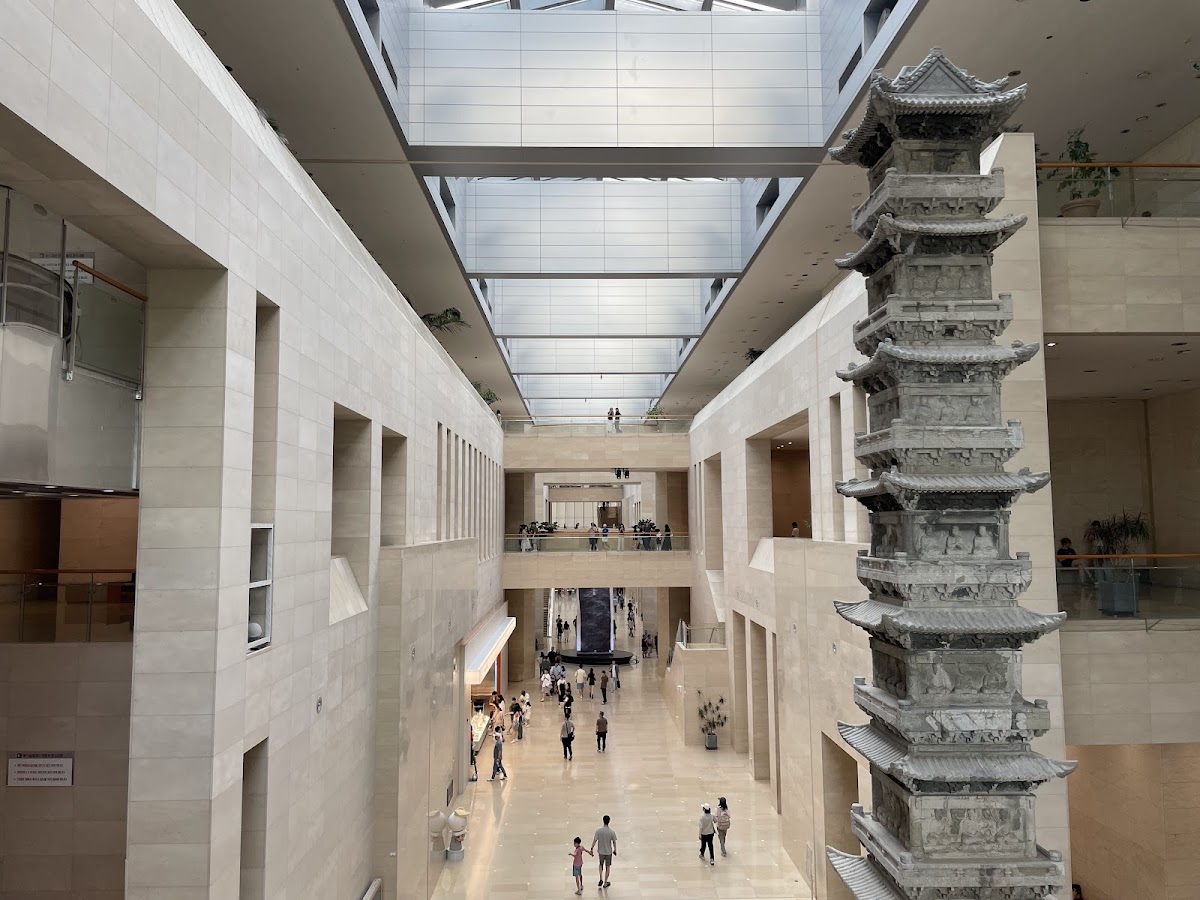
The National Museum of Korea, located at 137 Seobinggo-ro, Yongsan District, Seoul, is a major cultural institution. Situated within Yongsan Family Park, it offers a serene setting with views of the Han River and Namsan Mountain, easily accessible from Ichon Station. Its modern architecture harmonizes with traditional Korean aesthetics, featuring a tranquil Mirror Pond (Geoulmot) and an outdoor exhibition of ancient stone pagodas and lanterns.
The museum's origins trace back to the Imperial Museum established in 1909. After navigating periods of significant historical upheaval, including the Japanese colonial era and the Korean War, the museum relocated to its current world-class facility in Yongsan in 2005. This move marked a new era, with an expansive, naturally lit interior designed for an optimal visitor experience.
With approximately 420,000 artifacts, the museum comprehensively covers 5,000 years of Korean history and culture, from prehistoric times to the Joseon Dynasty. Its permanent exhibitions are organized chronologically, spanning galleries for Prehistoric, Ancient, Medieval, and Early Modern history, as well as dedicated spaces for donations and Asian arts. The collection includes diverse items such as pottery, bronze ware, Buddhist sculptures, and ceramics, illustrating the distinct characteristics of each historical period.
Key highlights include the two Pensive Bodhisattvas (National Treasure), renowned for their enigmatic expressions and spiritual depth, representing the pinnacle of ancient Korean Buddhist art. Another prominent exhibit is the Gyeongcheonsa Ten-story Stone Pagoda (National Treasure), a magnificent Goryeo-era structure in the central hall. Its intricate carvings and storied past, including its repatriation after illegal removal during the colonial period, symbolize Korea's cultural resilience.
Beyond the galleries, the museum's outdoor areas and surrounding Yongsan Family Park offer opportunities for relaxation and appreciation of nature. Visitors can also explore the nearby Ichon Hangang Park or enjoy views of Namsan Tower. The museum's central location provides convenient access to various dining and cultural experiences in areas like Itaewon and Yongsan Station.
Permanent exhibitions are free. Special exhibitions may incur a fee, with details available on the official website. The museum operates Monday, Wednesday, Thursday, Friday from 10:00 to 18:00, Saturday from 10:00 to 21:00, and Sunday from 10:00 to 19:00. Tuesdays are closed. Direct connection to Ichon Station ensures easy public transport access.
Visitor Info
| Opened | Translating |
| Location | Translating |
| Operated by | Translating |
| Admission | Free (permanent exhibition) |
| Collection | Translating |
| Features | Translating |
Featured Works

미상 (삼국시대)
금동미륵보살반가사유상
국보 제83호. 7세기 삼국시대 불교 조각의 걸작으로, 깊은 명상에 잠긴 보살의 모습을 표현했다.

미상 (고려시대)
청자 상감 운학문 매병
국보 제68호. 고려시대 상감 청자의 대표작으로, 구름과 학 문양이 비색 유약 아래 빛난다.

미상 (고려시대)
경천사 십층석탑
국보 제86호. 1348년 건립된 높이 13.5m의 대리석 탑으로, 각 층에 정교한 부조가 새겨져 있다.